ADVERT
Health3 min(s) read
Published 13:36 25 Jul 2026 GMT
It has been announced that US health officials are researching a dangerous parasite following a new outbreak of Cyclospora, which can cause prolonged periods of diarrhoea and other gastrointestinal problems.
The US Food and Drug Administration is working with state and local health authorities to determine how people became infected and whether there is a common source behind the illnesses.
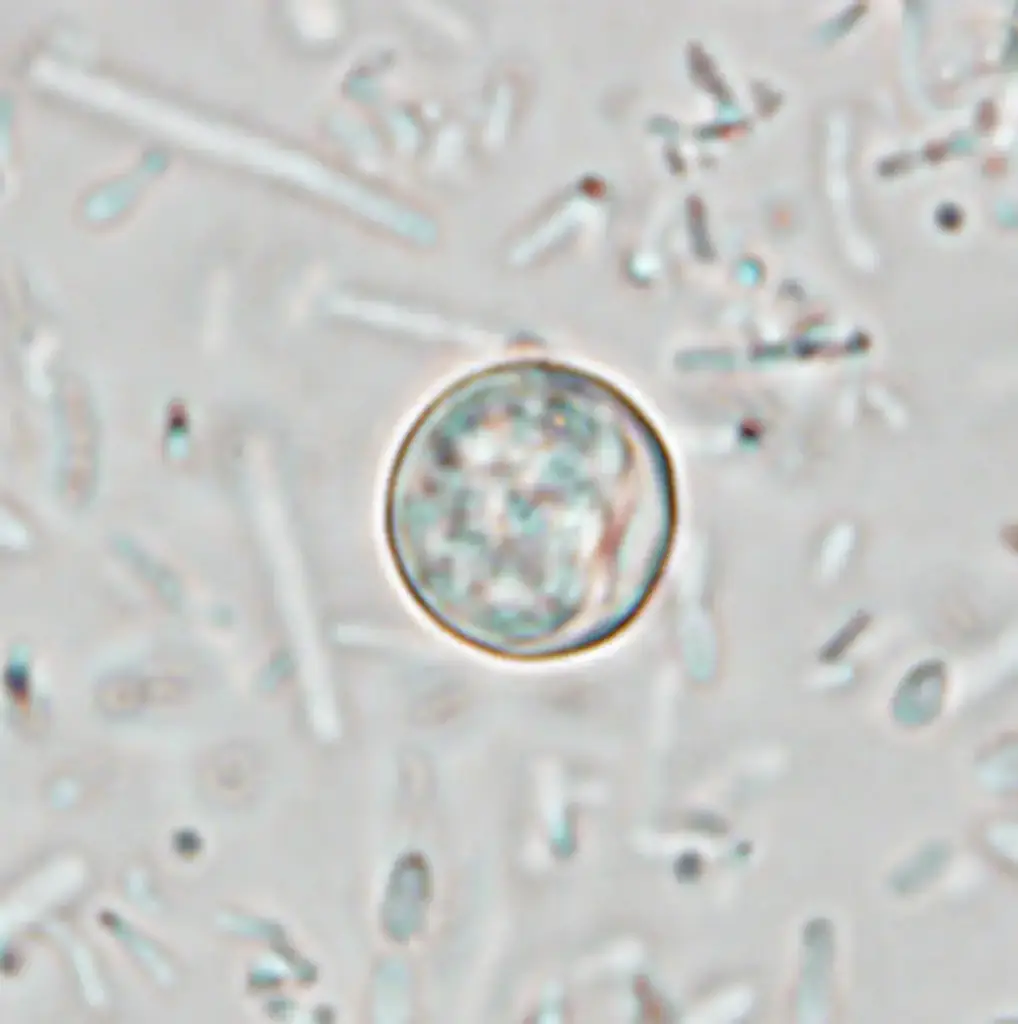
Cyclospora is a tiny parasite that can infect people who consume contaminated food or water.
An infection with the parasite can cause watery diarrhoea, stomach cramps, nausea, fatigue and loss of appetite.
Symptoms can last for weeks or even months if the infection is left untreated.
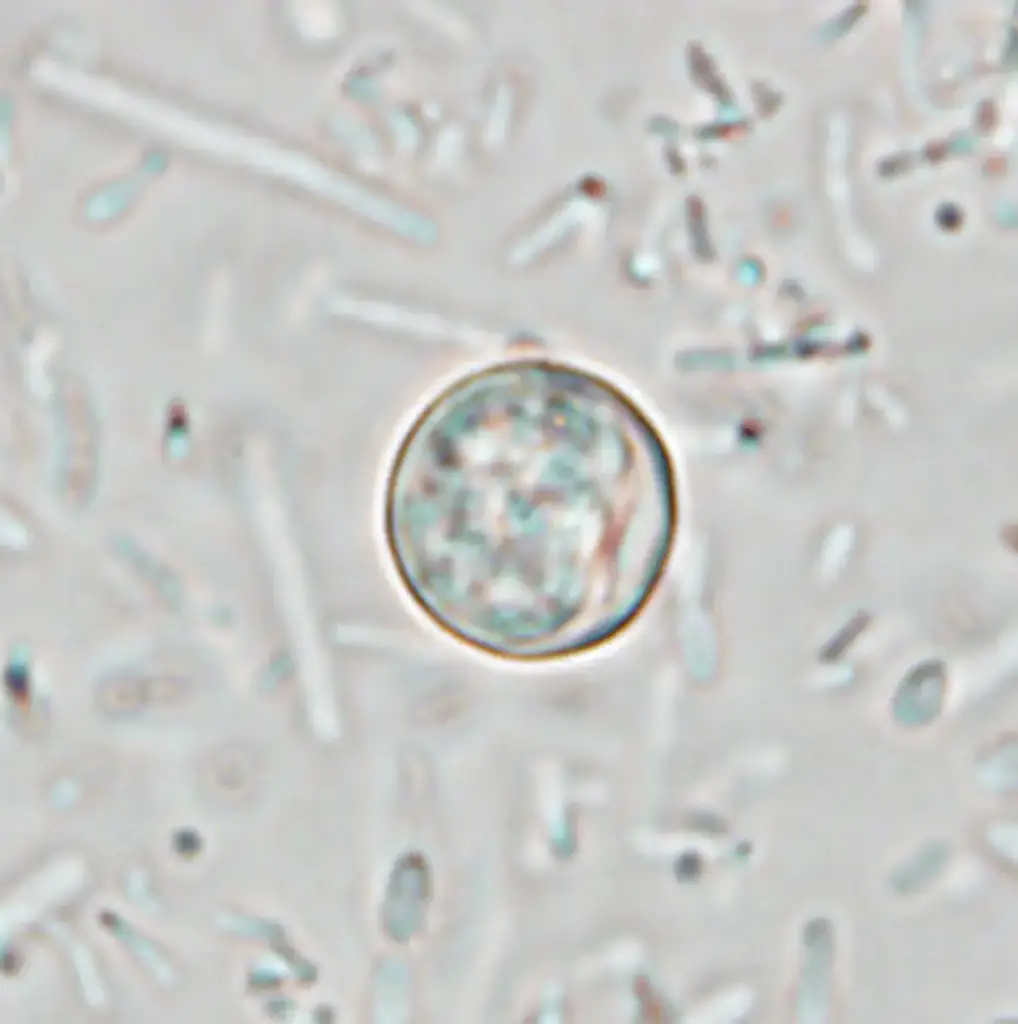
The parasite is usually found in fresh produce, although identifying the exact source of an outbreak is often difficult because symptoms of the infection often begin days or weeks after consuming the parasite.
Health investigators are now examining cases of infection in an effort to establish whether there is a common food source that the parasites are found in. The outbreak that has prompted this investigation is not currently known to have started with one specific food product.
Cyclospora infections are generally treatable with medication, and most people recover fairly quickly. However, prolonged diarrhoea can lead to dehydration and may be particularly serious for older adults, young children and people with weak immune systems.
The investigation comes as health authorities continue to monitor cyclospora infections across the United States, where cases tend to increase during the warmer months.

Officials are urging people experiencing persistent diarrhoea or other symptoms associated with cyclospora to report their case to a healthcare provider. Laboratory testing may be needed to confirm an infection because the parasite cannot always be identified through routine testing.
Health agencies have not advised consumers to avoid fresh produce, but have instead encouraged people to follow standard food safety measures. For the best chance of avoiding the nasty parasite, experts recommend washing produce thoroughly under running water, keeping food preparation areas clean and avoiding cross-contamination.
Investigators will continue to track cases and analyse available information as they search for the source of the outbreak.
If a specific food or product is identified, officials could issue additional warnings or take steps to remove potentially contaminated items from the market.
Cyclospora is thankfully not spread directly from person to person because the parasite generally requires time outside the body before it becomes infectious.
The FDA and other public health authorities are expected to provide further information as the investigation progresses.
health3 min(s) read
us4 min(s) read
us3 min(s) read
health3 min(s) read
health3 min(s) read
Published 10:36 01 Jul 2026 GMT
A parasite known to cause explosive, watery diarrhea has sparked concern among health officials.
The Centers for Disease Control and Prevention (CDC) has announced that 145 people between the ages of 5 and 86 contracted Cyclospora cayetanensis between May and June 16.
Twenty people have been hospitalized, although no deaths have been reported.
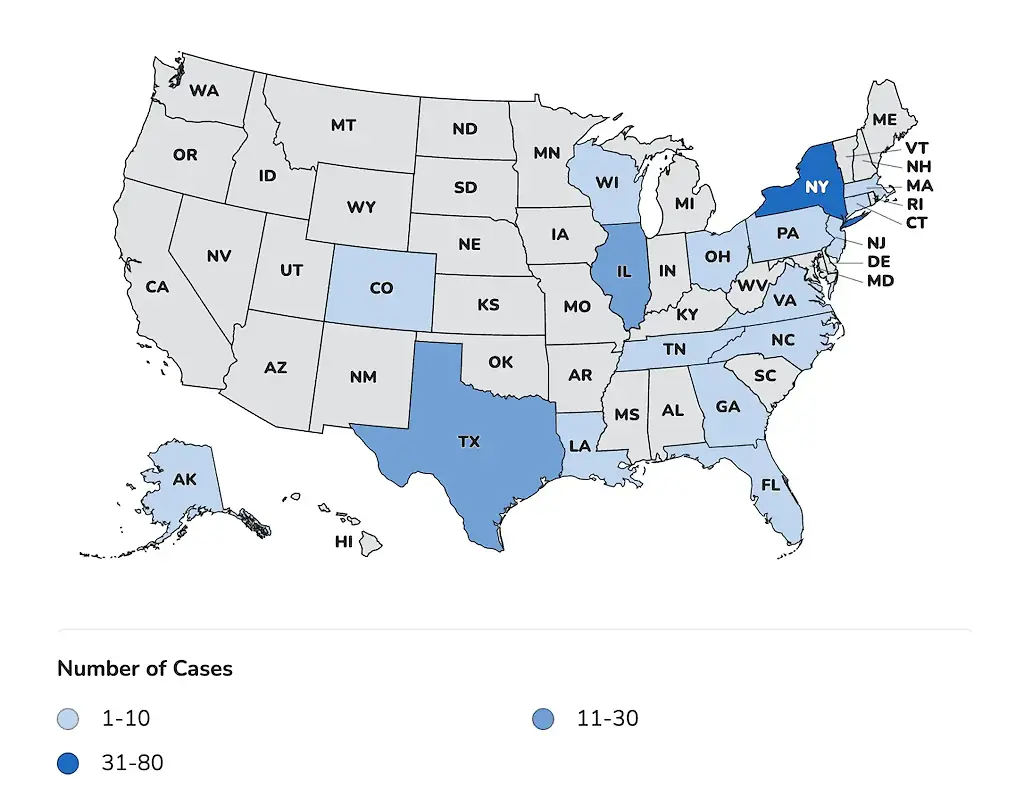
New York has reported the largest number of cases, with the CDC placing it in the 31 to 80 case range. Texas and Illinois have each reported between 11 and 30 cases, while the remaining affected states have reported between one and 10 infections.
Despite the growing number of cases, investigators have yet to pinpoint exactly what caused the outbreak.
Cyclospora infections are usually associated with ingesting food or water contaminated with feces while traveling in tropical or subtropical regions.
However, because none of the current patients reported recent international travel, officials believe the infections were contracted from food consumed within the country.
There is also no evidence that the parasite spreads from person to person.
"Local, state, and federal (CDC, FDA) public health authorities are investigating several clusters of cases in more than one state. Investigations to identify potential sources are ongoing," the agency reported.
Officials have also cautioned that the true number of infections is likely higher than reported, as more cases may not yet have been diagnosed, and the parasite could already be present in states that have not officially reported infections.
The parasite causes cyclosporiasis, a foodborne illness that primarily affects the intestines.
Symptoms usually appear about a week after infection and include watery diarrhea, severe stomach cramps, bloating, nausea, vomiting, fatigue, loss of appetite, and low-grade fever.
Some people may also experience increased gas, weight loss, body aches, headaches, and other flu-like symptoms, while others may not develop symptoms at all.
Cyclosporiasis is considered a nationally notifiable disease, meaning healthcare providers are mandated to report cases to federal health authorities.
Although some infections resolve without treatment, symptoms can last for several days to more than a month, increasing the risk of dehydration if left untreated.
Doctors normally treat the illness with the antibiotic trimethoprim-sulfamethoxazole, sold under the brand names Bactrim, Septra, and Cotrim.
While investigators have not identified the food responsible for the current outbreak, fresh imported produce has been linked to several previous cases of cyclosporiasis in the United States.
Foods previously associated with outbreaks include cilantro, raspberries, sweet peas, mesclun lettuce, and basil.
In 2019, imported basil from Mexico was linked to an outbreak, while contaminated McDonald's salads left nearly 400 people sick in 2018.
Published 16:12 20 Jul 2026 GMT
The mystery surrounding a nationwide parasite outbreak linked to Taco Bell has taken another twist after the US Food and Drug Administration admitted a key laboratory test result was wrong.
The agency announced on Sunday that a lettuce sample from Taylor Farms de Mexico previously reported to have tested positive for the Cyclospora parasite had produced a false positive.
"As of July 19, 2026, there are no confirmed positive sample results for product testing for Cyclospora," FDA said.
This has now raised questions about what contaminated thousands of people across the United States.
The agency explained that the original finding was caused by "false amplification".
"The finding does not represent true amplification and should be considered a false positive," they added.
Amplification is a laboratory process used to create copies of samples, making pathogens easier to detect.
Per research published in the Annals of Clinical & Laboratory Science, "Amplification-based techniques are now used routinely in clinical laboratories to detect organisms that do not grow in conventional culture media".
Although the positive test result has now been withdrawn, the FDA stressed that Taylor Farms' voluntary recall remains in place while the investigation continues.
Taylor Farms de Mexico voluntarily recalled iceberg lettuce sourced from central Mexico on Friday because it had the potential to be contaminated with Cyclospora.
The recalled products were distributed to stores across 27 states.
The FDA had previously identified the lettuce as being supplied to restaurants in Indiana, Kentucky, Michigan, Ohio, and West Virginia, where several people reported eating it before becoming ill.
As a result, the agency warned consumers: "Do not eat shredded iceberg lettuce from Mexico served at Taco Bell locations in Indiana, Kentucky, Michigan, Ohio, and West Virginia."
Taco Bell also confirmed it had stopped using the supplier.
Despite Sunday's correction, the FDA said it continues "working with the firm to ensure product implicated in this outbreak has been removed from the market".
In a statement, Taylor Farms welcomed the clarification, saying the FDA had made a mistake.
They also said the agency had apologized and confirmed it had not identified a "single positive product test result for Cyclospora".
Donald W. Schaffner, chair of the Department of Food Science at Rutgers University, said Taylor Farms made the correct decision to recall its lettuce despite the laboratory error.
"Unfortunately testing for this organism is difficult," he said by email. "False positives are always possible. In this case, I think it may lead to more confusion and uncertainty in the minds of consumers."
Schaffner also said regulatory agencies should release more information alongside positive test results, including the likelihood of false positives.
"I would hope that consumers wouldn't ignore it," he said, referring to the false positive, "but realize that the science is complicated."
Thomas Gremillion, director of food policy at the Consumer Federation of America, also noted last week that it is "really hard to grow cyclospora in the lab."
The outbreak has continued to grow across the country.
According to the CDC, nearly 7,000 cases of cyclosporiasis have been confirmed or are under investigation since May 1.
The agency said the parasite can trigger severe watery diarrhea and "frequent and sometimes explosive bowel movements" that can last for several days or even more than a month if left untreated.
Patients may also suffer from stomach cramps, nausea, bloating, fatigue, loss of appetite, and weight loss.
Some people experience vomiting, headaches, body aches, increased gas, and a low-grade fever, while others may carry the parasite without showing any symptoms at all.
Although many people recover without treatment, symptoms can last for several days to more than a month.
Doctors usually treat the illness with the antibiotic trimethoprim-sulfamethoxazole, sold under the brand names Bactrim, Septra, and Cotrim.
Published 09:40 10 Jul 2026 GMT
Taco Bell has temporarily removed key items from its menu at certain restaurants as health officials investigate a fast-growing parasite outbreak linked to explosive diarrhea.
Some locations have posted notices informing customers they are unable to serve several produce items.
"We are currently unable to sell Lettuce, Cilantro Onion, Pico de Gallo and Guacamole due to a nationwide recall," the signs read. "We apologize for the inconvenience. Any items ordered that normally come with these items WILL NOT contain them."
The missing ingredients are staples in a number of Taco Bell favorites, including tacos, the Crunchwrap Supreme, and Cantina Chicken menu items.
It is not yet clear whether some customers have become sick after eating the affected ingredients.
The menu changes come as health officials investigate a growing outbreak of cyclosporiasis, an intestinal illness caused by the Cyclospora parasite.
According to the Michigan Department of Health and Human Services, the state has reported 992 cases connected to the outbreak, an increase compared with the roughly 50 cases it normally records each year.
New York City has also seen a sharp rise, confirming 273 cases since May 1 and 301 cases so far in 2026, according to the city's Health Department.
Meanwhile, the Centers for Disease Control and Prevention (CDC) previously reported that 145 people between the ages of five and 86 contracted Cyclospora cayetanensis between May and June 16.
Twenty people were hospitalized, though no deaths were reported.
The CDC says the parasite can cause "watery diarrhea" and "frequent and sometimes explosive bowel movements" that may last for a month or longer.
Other symptoms include stomach cramps, nausea, bloating, fatigue, loss of appetite, and weight loss.
Some patients may also experience vomiting, low-grade fever, headaches, body aches, and increased gas, while others may show no symptoms at all.
Although many people recover without treatment, symptoms can last for several days to more than a month, increasing the risk of dehydration if left untreated.
Doctors usually treat the illness with the antibiotic trimethoprim-sulfamethoxazole, sold under the brand names Bactrim, Septra, and Cotrim.
Investigators revealed that fresh imported produce was linked to several previous cases of cyclosporiasis in the United States.
Foods previously associated with outbreaks include cilantro, raspberries, sweet peas, mesclun lettuce, and basil.
In 2019, imported basil from Mexico was linked to an outbreak, while contaminated McDonald's salads left nearly 400 people sick in 2018.
Health officials are now urging people to thoroughly wash their produce, clean kitchen utensils and surfaces, and cook raw produce whenever possible.
Published 10:57 20 Jul 2026 GMT
A man who caught the "explosive diarrhea parasite", which he believes he got from a fast food meal, revealed the terrifying symptoms he experienced.
Alonso Zaragoza, 46, from Chicago, told NBC Chicago 5 he ended up in the emergency room last Wednesday after suffering relentless diarrhea for over a week, after eating a Taco Bell meal.
He explained: "It was just every hour and a half going to the washroom. I don’t think I slept more than an hour and a half continuously in the last week."
Zaragoza revealed that he then developed a terrifying symptom which made him seek medical attention - blood in his stool.
He recalled: "My family was like, 'That’s not normal.'"
After being admitted to the hospital, doctors ran blood and stool tests which showed Zaragoza had contracted cyclosporiasis, a fast-spreading intestinal illness that’s been linked to contaminated iceberg lettuce.
He was hooked up to an IV drip to help with his recovery as Zaragoza retraced his recent meals to try and work out where he may have contracted the parasite.
Zaragoza explained: "I looked through everything; there was nothing that I ate that contained lettuce except for a chalupa from the luxe box at Taco Bell.
"I looked at the app, I Googled the ingredients [of the Chalupa Supreme] – it said iceberg lettuce."
Thankfully, by Saturday Zaragoza said he was "probably at like 80%” recovered, adding: "That’s still better than a lot of people right now."
Almost 7,000 people across 34 states have become ill in the outbreak, per the New York Post, which health officials have largely linked to contaminated lettuce from Taylor Farms which was served at Taco Bell restaurants.
The CDC reported on Saturday that 94 people had been hospitalized amid the epidemic, but there have so far been no deaths.
Taco Bell is now facing a growing wave of lawsuits in the wake of the concerning outbreak.
Among the plaintiffs is Mohammed Ayyad, who regularly visits the fast food establishment in North Olmsted, Ohio, who claimed he fell ill after eating Cheesy Fiesta Potatoes and Avocado Ranch Chicken Stackers over three visits in mid-June.
He developed a "severe" headache, chills, vomiting, and persistent diarrhea just days later, with his symptoms being so severe he was unable to sleep, per the lawsuit he filed against the eatery in Ohio federal court.
A stool test on July 9 confirmed that Ayyad had contracted cyclosporiasis, and the illness meant he had to miss two weeks of work, causing him a loss of income, and he also still suffers from nausea and other symptoms, according to the complaint against Pacific Bells LLC which operates around 300 Taco Bell restaurants.
Ayyad’s attorney, Bill Marler, told the New York Post: "We have been contacted by more than 30 people – and 90% of them ate at Taco Bell."
Taco Bell said it had “completed removal of affected Taylor Farms lettuce from our restaurants” while the supplier recalled a lengthy list of products, including shredded iceberg lettuce.
Cyclosporiasis is contracted through ingesting the microscopic parasite, which the causes symptoms including persistent diarrhea, as well as stomach cramps, nausea, fatigue, bloating, weight loss and low-grade fever, per the CDC.
Those most at risk of severe illness are people with weakened immune systems, the elderly, or children, per the FDA.
Zaragoza shared a warning for others amid the outbreak, adding: "Stay hydrated, be careful [about] where you’re eating, making sure you wash, clean and cook any greens that you’re eating."
Published 13:58 29 Jan 2025 GMT
Here's a very simple reminder that you may want to leave that pork chop on the grill for a few minutes longer.
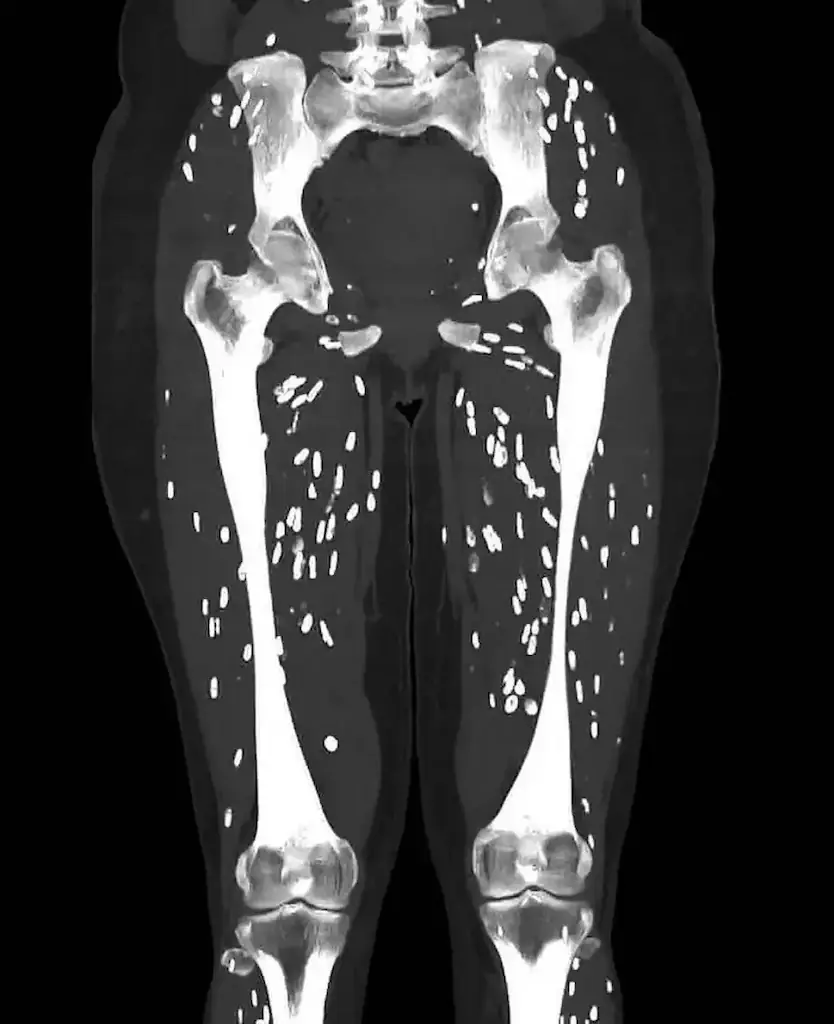
A doctor has taken to social media to share a concerning scan photo of a woman's legs, before asking his followers what they thought the diagnosis could be.
Describing the image as "one of the craziest CT scans he's ever seen", Sam Ghali, M.D. - who boasts more than 630,000 followers on X - shared the image of a female patient's legs.
However, white blotches could be seen all over the scan image, leading to concerns from followers.
After giving people 24 hours to guess what they thought the answer could be, Dr. Ghali revealed that the patient in question had been suffering from Cysticercosis, which he explained is the "infamous parasitic infection caused by ingestion of larval cysts of Taenia Solium, also known as: Pork Tapeworm".
The National Organisation for Rare Disorders explains that "cysticercosis arises from the ingestion of the pork tapeworm’s eggs through fecal-oral contamination, and involves the development of cysts throughout the body, but not in the intestinal tract".
Dr. Ghali explained in his follow-up tweet that "after the eggs are ingested (humans or pigs) they release larvae which penetrate the intestinal wall and invade into the bloodstream (via mesenteric venules) and from there can spread to literally anywhere in the entire body."
The most common areas of the body, according to Dr. Ghali, are the "brain, eyes, subcutaneous tissues, and skeletal muscles".
Wherever the larvae end up, they form cysts known as cysticerci.
The scan in the tweet shows the body's natural inflammatory response to the cysticerci - which kills them off and causes calcification, known as "rice grain calcifications" due to their appearance.
What's terrifying is what Dr. Ghali wrote next: "What can be really bad is when the larvae end up traveling up to the brain and form cysts in actual brain tissue. This specific condition is known as neurocysticercosis. It can lead to headaches, confusion, seizures, and other serious neurologic problems."
The NORD adds that the condition "can affect anyone at any age and affects males and females in equal numbers".
The organization adds that, in most cases, cysticercosis is benign and patients won't need treatment. However, there are medications for those who do.
The World Health Organization adds that neurocysticercosis (NCC) can lead to epileptic seizures. According to WHO, Taenia solium is reportedly the cause of "30% of epilepsy cases in many endemic areas where people and roaming pigs live in close proximity."
Additionally, "in high-risk communities, it can be associated with as many as 70% of epilepsy cases."
"The treatment for cysticercosis located within the nervous system (neurocysticercosis) consists of antiparasitic therapy, corticosteroids, antiepileptic drugs, and/or surgery. Treatment is always individualized for each patient," NORD adds.
In a final message to his followers, Dr. Ghali writes: "So the moral of the story here is do your best to keep clean, always wash your hands, and never, ever eat raw or undercooked pork."
I may just be avoiding it altogether.