ADVERT
US4 min(s) read
Published 16:12 20 Jul 2026 GMT
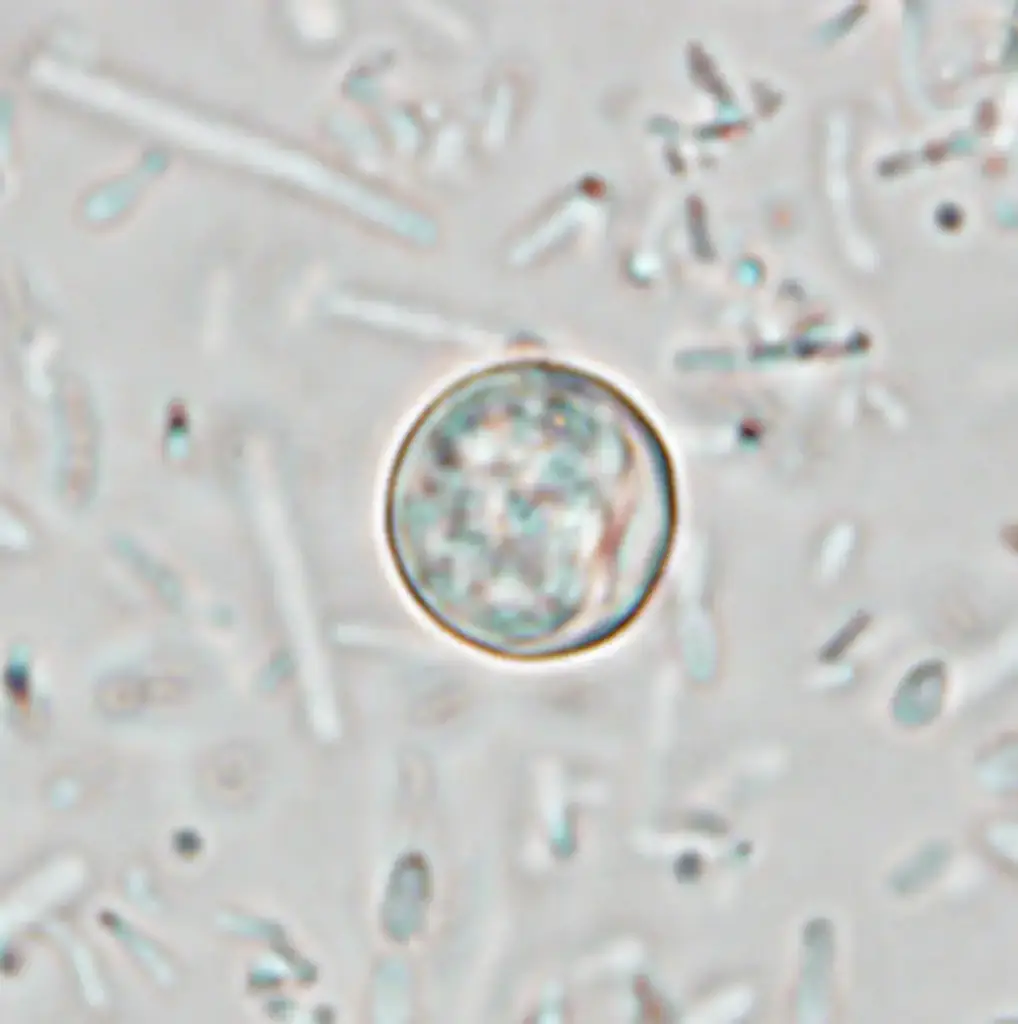
The mystery surrounding a nationwide parasite outbreak linked to Taco Bell has taken another twist after the US Food and Drug Administration admitted a key laboratory test result was wrong.
The agency announced on Sunday that a lettuce sample from Taylor Farms de Mexico previously reported to have tested positive for the Cyclospora parasite had produced a false positive.
"As of July 19, 2026, there are no confirmed positive sample results for product testing for Cyclospora," FDA said.
This has now raised questions about what contaminated thousands of people across the United States.
The agency explained that the original finding was caused by "false amplification".
"The finding does not represent true amplification and should be considered a false positive," they added.
Amplification is a laboratory process used to create copies of samples, making pathogens easier to detect.
Per research published in the Annals of Clinical & Laboratory Science, "Amplification-based techniques are now used routinely in clinical laboratories to detect organisms that do not grow in conventional culture media".
Although the positive test result has now been withdrawn, the FDA stressed that Taylor Farms' voluntary recall remains in place while the investigation continues.
Taylor Farms de Mexico voluntarily recalled iceberg lettuce sourced from central Mexico on Friday because it had the potential to be contaminated with Cyclospora.
The recalled products were distributed to stores across 27 states.
The FDA had previously identified the lettuce as being supplied to restaurants in Indiana, Kentucky, Michigan, Ohio, and West Virginia, where several people reported eating it before becoming ill.
As a result, the agency warned consumers: "Do not eat shredded iceberg lettuce from Mexico served at Taco Bell locations in Indiana, Kentucky, Michigan, Ohio, and West Virginia."
Taco Bell also confirmed it had stopped using the supplier.
Despite Sunday's correction, the FDA said it continues "working with the firm to ensure product implicated in this outbreak has been removed from the market".
In a statement, Taylor Farms welcomed the clarification, saying the FDA had made a mistake.
They also said the agency had apologized and confirmed it had not identified a "single positive product test result for Cyclospora".
Donald W. Schaffner, chair of the Department of Food Science at Rutgers University, said Taylor Farms made the correct decision to recall its lettuce despite the laboratory error.
"Unfortunately testing for this organism is difficult," he said by email. "False positives are always possible. In this case, I think it may lead to more confusion and uncertainty in the minds of consumers."
Schaffner also said regulatory agencies should release more information alongside positive test results, including the likelihood of false positives.
"I would hope that consumers wouldn't ignore it," he said, referring to the false positive, "but realize that the science is complicated."
Thomas Gremillion, director of food policy at the Consumer Federation of America, also noted last week that it is "really hard to grow cyclospora in the lab."

The outbreak has continued to grow across the country.
According to the CDC, nearly 7,000 cases of cyclosporiasis have been confirmed or are under investigation since May 1.
The agency said the parasite can trigger severe watery diarrhea and "frequent and sometimes explosive bowel movements" that can last for several days or even more than a month if left untreated.
Patients may also suffer from stomach cramps, nausea, bloating, fatigue, loss of appetite, and weight loss.
Some people experience vomiting, headaches, body aches, increased gas, and a low-grade fever, while others may carry the parasite without showing any symptoms at all.
Although many people recover without treatment, symptoms can last for several days to more than a month.
Doctors usually treat the illness with the antibiotic trimethoprim-sulfamethoxazole, sold under the brand names Bactrim, Septra, and Cotrim.
us3 min(s) read
health3 min(s) read
health3 min(s) read
celebrity2 min(s) read
health3 min(s) read
Published 09:40 10 Jul 2026 GMT
Taco Bell has temporarily removed key items from its menu at certain restaurants as health officials investigate a fast-growing parasite outbreak linked to explosive diarrhea.
Some locations have posted notices informing customers they are unable to serve several produce items.
"We are currently unable to sell Lettuce, Cilantro Onion, Pico de Gallo and Guacamole due to a nationwide recall," the signs read. "We apologize for the inconvenience. Any items ordered that normally come with these items WILL NOT contain them."
The missing ingredients are staples in a number of Taco Bell favorites, including tacos, the Crunchwrap Supreme, and Cantina Chicken menu items.
It is not yet clear whether some customers have become sick after eating the affected ingredients.
The menu changes come as health officials investigate a growing outbreak of cyclosporiasis, an intestinal illness caused by the Cyclospora parasite.
According to the Michigan Department of Health and Human Services, the state has reported 992 cases connected to the outbreak, an increase compared with the roughly 50 cases it normally records each year.
New York City has also seen a sharp rise, confirming 273 cases since May 1 and 301 cases so far in 2026, according to the city's Health Department.
Meanwhile, the Centers for Disease Control and Prevention (CDC) previously reported that 145 people between the ages of five and 86 contracted Cyclospora cayetanensis between May and June 16.
Twenty people were hospitalized, though no deaths were reported.
The CDC says the parasite can cause "watery diarrhea" and "frequent and sometimes explosive bowel movements" that may last for a month or longer.
Other symptoms include stomach cramps, nausea, bloating, fatigue, loss of appetite, and weight loss.
Some patients may also experience vomiting, low-grade fever, headaches, body aches, and increased gas, while others may show no symptoms at all.
Although many people recover without treatment, symptoms can last for several days to more than a month, increasing the risk of dehydration if left untreated.
Doctors usually treat the illness with the antibiotic trimethoprim-sulfamethoxazole, sold under the brand names Bactrim, Septra, and Cotrim.

Investigators revealed that fresh imported produce was linked to several previous cases of cyclosporiasis in the United States.
Foods previously associated with outbreaks include cilantro, raspberries, sweet peas, mesclun lettuce, and basil.
In 2019, imported basil from Mexico was linked to an outbreak, while contaminated McDonald's salads left nearly 400 people sick in 2018.
Health officials are now urging people to thoroughly wash their produce, clean kitchen utensils and surfaces, and cook raw produce whenever possible.
Published 10:57 20 Jul 2026 GMT
A man who caught the "explosive diarrhea parasite", which he believes he got from a fast food meal, revealed the terrifying symptoms he experienced.
Alonso Zaragoza, 46, from Chicago, told NBC Chicago 5 he ended up in the emergency room last Wednesday after suffering relentless diarrhea for over a week, after eating a Taco Bell meal.
He explained: "It was just every hour and a half going to the washroom. I don’t think I slept more than an hour and a half continuously in the last week."
Zaragoza revealed that he then developed a terrifying symptom which made him seek medical attention - blood in his stool.
He recalled: "My family was like, 'That’s not normal.'"
After being admitted to the hospital, doctors ran blood and stool tests which showed Zaragoza had contracted cyclosporiasis, a fast-spreading intestinal illness that’s been linked to contaminated iceberg lettuce.
He was hooked up to an IV drip to help with his recovery as Zaragoza retraced his recent meals to try and work out where he may have contracted the parasite.
Zaragoza explained: "I looked through everything; there was nothing that I ate that contained lettuce except for a chalupa from the luxe box at Taco Bell.
"I looked at the app, I Googled the ingredients [of the Chalupa Supreme] – it said iceberg lettuce."
Thankfully, by Saturday Zaragoza said he was "probably at like 80%” recovered, adding: "That’s still better than a lot of people right now."
Almost 7,000 people across 34 states have become ill in the outbreak, per the New York Post, which health officials have largely linked to contaminated lettuce from Taylor Farms which was served at Taco Bell restaurants.
The CDC reported on Saturday that 94 people had been hospitalized amid the epidemic, but there have so far been no deaths.
Taco Bell is now facing a growing wave of lawsuits in the wake of the concerning outbreak.
Among the plaintiffs is Mohammed Ayyad, who regularly visits the fast food establishment in North Olmsted, Ohio, who claimed he fell ill after eating Cheesy Fiesta Potatoes and Avocado Ranch Chicken Stackers over three visits in mid-June.
He developed a "severe" headache, chills, vomiting, and persistent diarrhea just days later, with his symptoms being so severe he was unable to sleep, per the lawsuit he filed against the eatery in Ohio federal court.
A stool test on July 9 confirmed that Ayyad had contracted cyclosporiasis, and the illness meant he had to miss two weeks of work, causing him a loss of income, and he also still suffers from nausea and other symptoms, according to the complaint against Pacific Bells LLC which operates around 300 Taco Bell restaurants.
Ayyad’s attorney, Bill Marler, told the New York Post: "We have been contacted by more than 30 people – and 90% of them ate at Taco Bell."
Taco Bell said it had “completed removal of affected Taylor Farms lettuce from our restaurants” while the supplier recalled a lengthy list of products, including shredded iceberg lettuce.
Cyclosporiasis is contracted through ingesting the microscopic parasite, which the causes symptoms including persistent diarrhea, as well as stomach cramps, nausea, fatigue, bloating, weight loss and low-grade fever, per the CDC.
Those most at risk of severe illness are people with weakened immune systems, the elderly, or children, per the FDA.
Zaragoza shared a warning for others amid the outbreak, adding: "Stay hydrated, be careful [about] where you’re eating, making sure you wash, clean and cook any greens that you’re eating."
Published 10:36 01 Jul 2026 GMT
A parasite known to cause explosive, watery diarrhea has sparked concern among health officials.
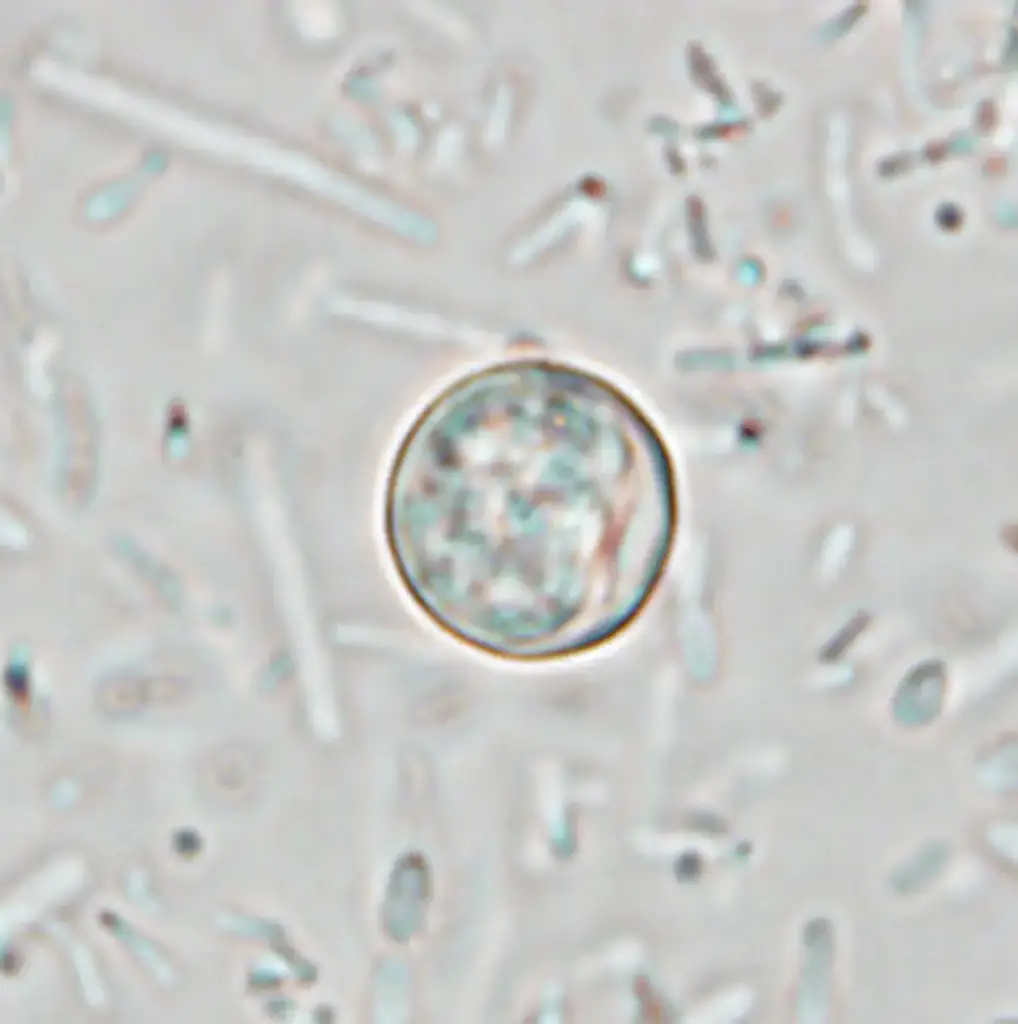
The Centers for Disease Control and Prevention (CDC) has announced that 145 people between the ages of 5 and 86 contracted Cyclospora cayetanensis between May and June 16.
Twenty people have been hospitalized, although no deaths have been reported.
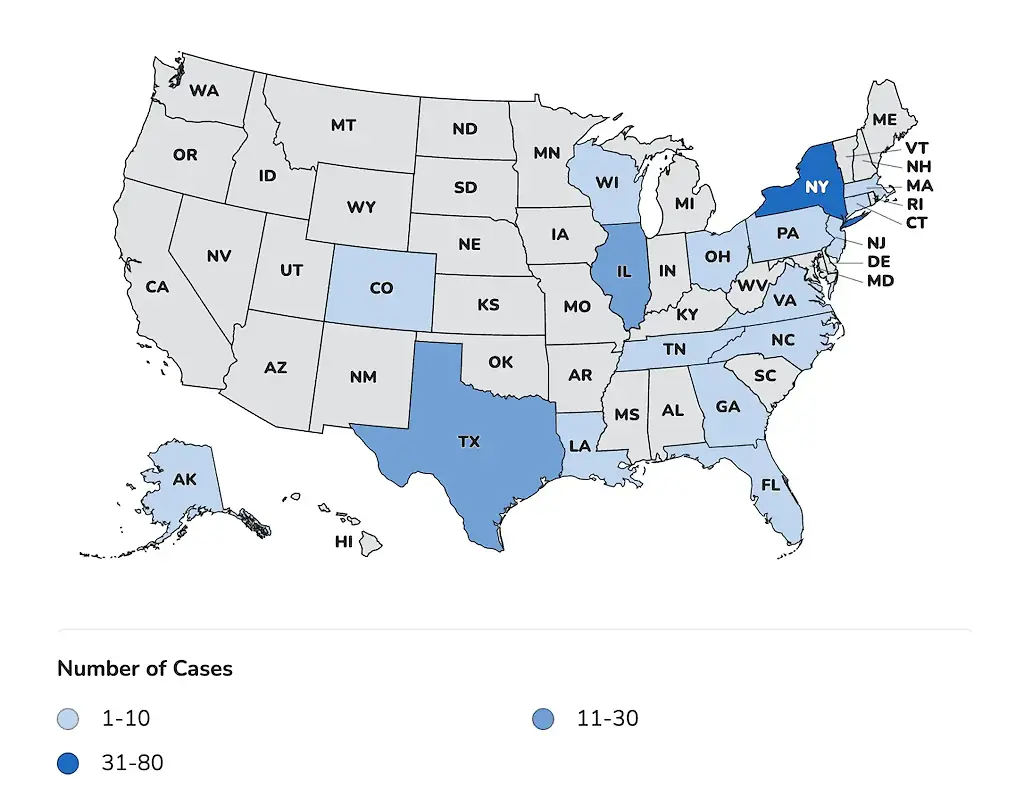
New York has reported the largest number of cases, with the CDC placing it in the 31 to 80 case range. Texas and Illinois have each reported between 11 and 30 cases, while the remaining affected states have reported between one and 10 infections.
Despite the growing number of cases, investigators have yet to pinpoint exactly what caused the outbreak.
Cyclospora infections are usually associated with ingesting food or water contaminated with feces while traveling in tropical or subtropical regions.
However, because none of the current patients reported recent international travel, officials believe the infections were contracted from food consumed within the country.
There is also no evidence that the parasite spreads from person to person.
"Local, state, and federal (CDC, FDA) public health authorities are investigating several clusters of cases in more than one state. Investigations to identify potential sources are ongoing," the agency reported.
Officials have also cautioned that the true number of infections is likely higher than reported, as more cases may not yet have been diagnosed, and the parasite could already be present in states that have not officially reported infections.
The parasite causes cyclosporiasis, a foodborne illness that primarily affects the intestines.
Symptoms usually appear about a week after infection and include watery diarrhea, severe stomach cramps, bloating, nausea, vomiting, fatigue, loss of appetite, and low-grade fever.
Some people may also experience increased gas, weight loss, body aches, headaches, and other flu-like symptoms, while others may not develop symptoms at all.
Cyclosporiasis is considered a nationally notifiable disease, meaning healthcare providers are mandated to report cases to federal health authorities.
Although some infections resolve without treatment, symptoms can last for several days to more than a month, increasing the risk of dehydration if left untreated.
Doctors normally treat the illness with the antibiotic trimethoprim-sulfamethoxazole, sold under the brand names Bactrim, Septra, and Cotrim.
While investigators have not identified the food responsible for the current outbreak, fresh imported produce has been linked to several previous cases of cyclosporiasis in the United States.
Foods previously associated with outbreaks include cilantro, raspberries, sweet peas, mesclun lettuce, and basil.
In 2019, imported basil from Mexico was linked to an outbreak, while contaminated McDonald's salads left nearly 400 people sick in 2018.
Published 17:05 28 Nov 2018 GMT
In the United States, there have been three separate outbreaks of E coli in the past year or so, and it's got people worried. This has been a bad year for fans of romaine lettuce, with outbreaks of E coli last October, this summer, and, of course, right at this moment, lettuce fans will be wondering when the next issue will arise.
This latest outbreak has spread to 12 states, infecting 43 people in the process and causing at least one to develop life-threatening kidney failure, but a new report from the Center for Investigative Reporting says that actions from the Trump administration may have exacerbated the issue, as the U.S. Food and Drug Administration shelved plans for water testing regulations that could have spotted the bacteria ahead of time.
According to a report by Reveal News, these rules were drafted in 2011 during the Obama administration and passed through to Congress, as a slew of disease outbreaks related to food were reported. The rules stated that farmers were required to test their irrigation water, which regularly gets polluted by fecal matter from livestock and wild animals.
All that poop can cause pathogens such as E coli to develop, but after taking office, the Trump administration, described by Reveal News as "responding to pressure from the farm industry and Trump’s order to eliminate regulations", delayed the regulations by four years. Reveal even speculated that things might get worse.
"Despite this deadly outbreak, the FDA has shown no sign of reconsidering its plan to postpone the rules. The agency also is considering major changes, such as allowing some produce growers to test less frequently or find alternatives to water testing to ensure the safety of their crops."
What's more, the lack of urgency from the FDA as these outbreaks occur have baffled food scientists in the field - researchers like Trevor Suslow, a food safety expert at the University of California, Davis, as he explained.
"Mystifying, isn't it? If the risk factor associated with agricultural water use is that closely tied to contamination and outbreaks, there needs to be something now. … I can’t think of a reason to justify waiting four to six to eight years to get started."
It's a point of view echoed by Erik Olson, the senior director of health and food at the Natural Resources Defense Council, who spoke to Salon saying: "Like so many deadly food contamination outbreaks, this one points up the need for stronger safeguards – not less."
"While we don’t know the cause of this latest outbreak, we know the Trump Administration last year suspended enforcement of key provisions of the FDA rule that addresses a common cause of outbreaks like this: Irrigating romaine lettuce and other veggies with manure-contaminated water. This is just the latest example of how Trump’s rollbacks and reliance on voluntary safety measures are continuing to put people’s lives at risk".
While no deaths as yet have been reported from the latest E coli epidemic, outbreaks will continue to occur if regulation isn't tightened, and the FDA would be best served reintroducing these new rules to farms as quickly as possible.
Published 16:14 29 Jun 2018 GMT
Not too long ago, restaurants and food outlets across America came to a standstill when it was discovered batches of Romaine lettuce were giving people E. coli. About 200 people were sickened in the E. coli outbreak and five people died. The outbreak, which started in the spring, is now over, the Centers for Disease Control and Prevention said.
The illnesses in 36 states were previously traced to romaine lettuce grown in Yuma, Arizona, which provides most of the romaine sold in the US during the winter. As it turns out, tainted irrigation water appears to be the source of a national food poisoning outbreak linked to romaine lettuce, health officials said earlier this week.
On Thursday, officials said the outbreak strain of E. coli bacteria was found in an irrigation canal in the Yuma area. They are still investigating how the bacteria got into the canal and whether there was contamination elsewhere. They declined to give details about the canal, including its location, until a report can be completed.
“More work needs to be done to determine just how and why this strain of E. coli O157:H7 could have gotten into this body of water and how that led to contamination of romaine lettuce from multiple farms,” said Dr Scott Gottlieb, commissioner of the Food and Drug Administration, in a statement.
Officials had tied eight illnesses at a jail in Alaska to whole-head romaine lettuce grown at Harrison Farms in Yuma. But they were unable to find a single farm or packaging or distribution site that could clearly be fingered as the source of contamination for the other cases.
The outbreak was the nation’s largest E. coli food poisoning outbreak in more than a decade. Most of the people got sick in March and April, but new illnesses were reported as recently as early this month. Some of those who got sick didn’t eat romaine lettuce, but had been in close contact with someone who did.
Throughout the outbreak, some restaurants opted to continue serving romaine, issuing statements to their customers clarifying where their lettuce had originated. However, some others chose to pull the leafy green from their menu altogether until the outbreak was under control. As health scares go it wasn't the worst, or rather the grossest.
The last large E. coli outbreak like this involved spinach grown in California in 2006. Officials suspect cattle contaminated a nearby stream, and wild pigs roaming the area spread it to fields. Currently, health scares lie somewhere between packets of buns at your favorite restaurants.
Both Wendy's and Rose Acre farms were in the news after rats were found scurrying in and around their produce. Interestingly for Rose Acre farms, it was concluded by the FDA that the levels of rodent activity weren't considered acceptable for any action to be taken. I'm sure they know what they're doing there but damn, surely any level of rodent activity is too high. At least we can eat Chipotle again without any worries.