


US4 min(s) read
First American citizens that would be drafted if WW3 happens as fears erupt

Fears of World War III have grown, raising questions about how a US military draft would work.
The United States has not used a draft since 1973, but nearly all male US citizens and male immigrants are still required to register with the Selective Service System at the age of 18.
If a national emergency triggered a new draft, one age group would be called up first.
According to the Selective Service website: "The first to receive induction orders are those whose 20th birthday falls during the year of the lottery.”
.jpg_pDQXJG?tr=cr-0.0.726.481,f-webp,q-70,w-1024)
How would a US military draft work?
Federal law requires nearly all male US citizens and male immigrants to register for Selective Service at 18, with registration permitted until the age of 25. Women are not currently required to register.
Failure to register is considered a felony and can result in a fine of up to $250,000 and five years in prison.
Other consequences can include becoming ineligible for student loans and federal jobs, as well as delays to citizenship proceedings for immigrants.
The government explains: "When you register with the Selective Service System, you're helping ensure a secure future for your community and the United States of America.
"In a national emergency, Selective Service System will use the registry to provide personnel to the Department of War and alternative service for conscientious objectors, if authorized by the President and Congress," they added.
A draft would require congressional action to amend the Military Selective Service Act.
If additional personnel were then required, a lottery would randomly select birthdays and numbers.
Those turning 20 during the lottery year would be called first. If more personnel were needed, the draft would move through those turning 21 and continue up to 25.
It would then move to 19-year-olds, followed by those aged 18-and-a-half.
Exemptions could apply in circumstances involving disabilities, dependents, and essential occupations.
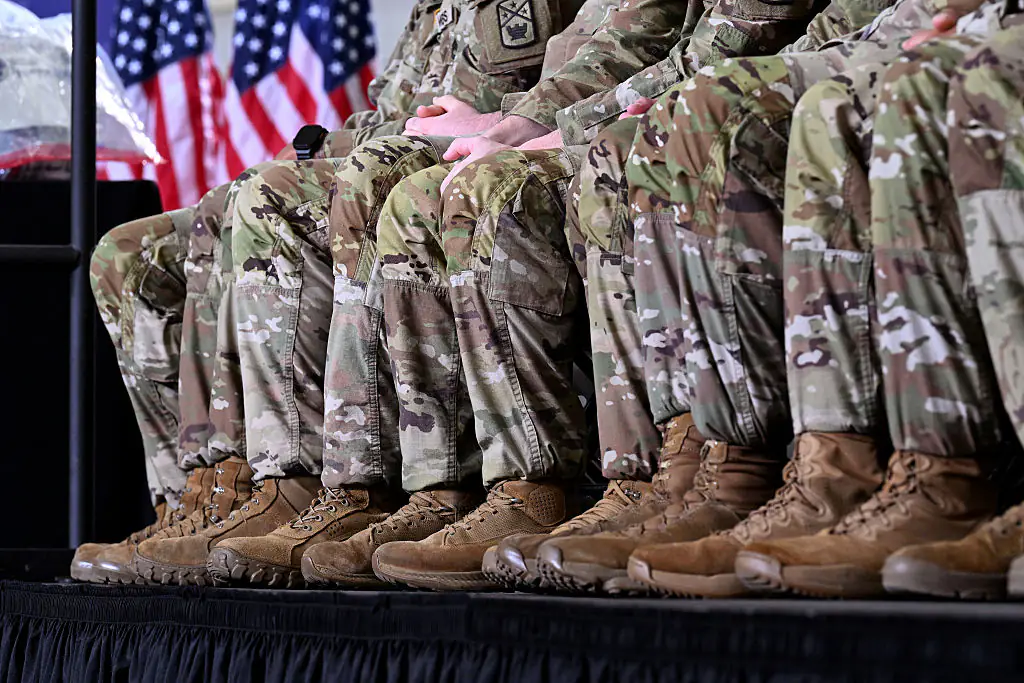
Fears of a wider global conflict are growing
Questions about conscription come as several conflicts and geopolitical flashpoints have led many to fear a potential third World War.
The US is at war with Iran, while Russia's war in Ukraine continues. North Korean soldiers have also been sent to fight alongside Russian forces, while NATO allies have provided Ukraine with weapons and financial support without becoming directly involved in the fighting.
Russia has meanwhile maintained ties with China, Iran and North Korea, with Putin describing Moscow's relationship with North Korean leader Kim Jong-un as reaching an "unprecedented level of partnership," Daily Star reported.
President Volodymyr Zelenskyy has warned that the Kremlin has decided to deploy between 30,000 and 50,000 North Korean troops on Russian soil.
Foreign policy expert Bret Stephens has compared today's regional crises to the period before World War Two, arguing that major global conflicts can arise when multiple crises converge rather than from one isolated event.
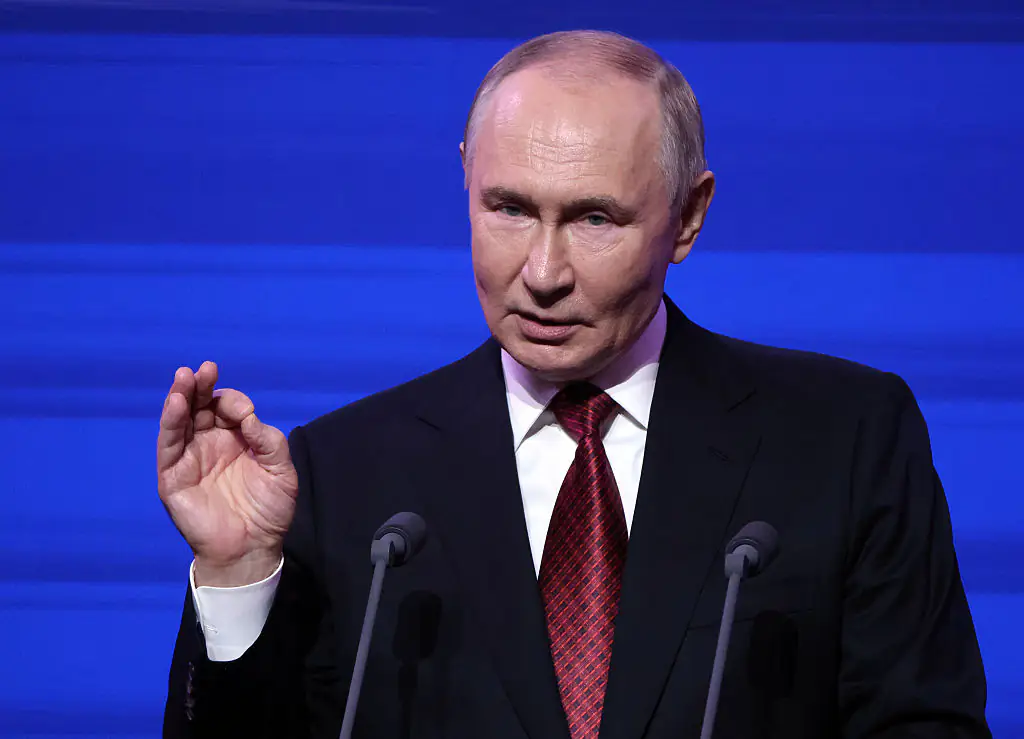
US intelligence reportedly concerned Russia could test NATO
The latest concerns also come amid reports that US intelligence believes Russia could launch a limited attack on NATO's eastern flank to test the alliance's response.
According to The Telegraph, CIA director John Ratcliffe traveled to Moscow on August 25 for a secretive eight-hour visit.
One source said the trip was "primarily to warn Russia against any escalatory action against the Baltic states".
The Kremlin confirmed Ratcliffe met Russian intelligence officials but said he did not meet President Vladimir Putin.
President Donald Trump described the trip as "semi-routine", adding that "something may come out of it."
Russia has denied suggestions that it could attack a NATO member.
Kremlin spokesman Dmitry Peskov said: "A lot of this kind of scare-story material is being published right now. Of course, it has nothing to do with reality and nothing to do with the intentions of the Russian Federation."
Peskov also disputed claims that Ratcliffe's Moscow meeting was intended to warn Russia against attacking NATO.