ADVERT
US3 min(s) read
Published 12:56 16 Jul 2026 GMT
Defense Secretary Pete Hegseth has announced a major change to military health policy by introducing an annual testosterone deficiency screening for active-duty service members aged 30 and older.
But what are the symptoms of low testosterone and why could it be damaging for the military?
In a video posted on X, captioned "High-T Department", Hegseth announced that he was authorising the screening programme for troops to ensure "you have the right testosterone levels to operate at your absolute best".
However, medical professionals have raised concerns about the necessity of hormonal testing.
Founder & Medical Director of The Weight Care Clinic, Dr. Nadia Ahmad, has explained that, while testing is useful in the right clinical context, widespread screening of healthy individuals is highly unnecessary and controversial.

According to Dr. Ahmad, testosterone testing should only really be used as a diagnostic tool for people experiencing specific symptoms.
She explained: “There is a scientific rationale for measuring testosterone, but only in the right clinical context.
“Testosterone testing is useful when someone has symptoms suggestive of testosterone deficiency, such as reduced libido, erectile dysfunction, unexplained fatigue, loss of muscle mass or infertility.”
She emphasizes that outside of these clinical indicators, diagnosing low testosterone is rarely straightforward.
If all goes according to plan, hormone screening will be integrated into the military’s mandatory annual periodic health assessments.
While the intention is to boost physical performance and recovery, Dr. Ahmad noted that the long-used single blood test is an unreliable way to detect low levels of testosterone, particularly for military personnel.
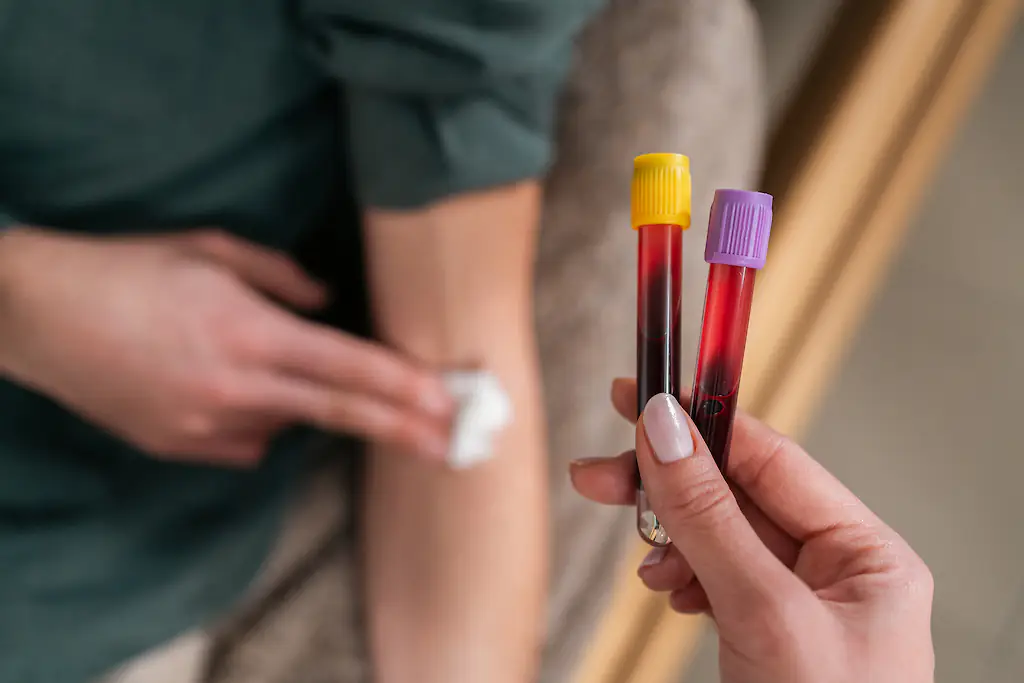
The healthcare professional said: “A diagnosis of low testosterone should never be based on a single blood test alone.
“Levels naturally fluctuate throughout the day and can be temporarily lowered by poor sleep, illness, stress, intensive physical training, inadequate nutrition and certain medications.”
She also pointed out that these factors are “particularly relevant in military personnel, who are frequently exposed to these factors”, so routine testing could produce false positives, making the whole process rather pointless.
While Hegseth argues the initiative will “optimize... performance, resilience, and long-term health,” Dr. Ahmad does not agree that it will be at all beneficial for individuals or the military as a whole.
She explained: “From a military perspective, the reasoning is understandable. Testosterone plays an important role in maintaining muscle mass, bone health, recovery and overall physical function.
“However, there is currently limited evidence that annual screening of all service members improves military readiness or long-term health outcomes.”
health5 min(s) read
us3 min(s) read
celebrity3 min(s) read
us3 min(s) read
health1 min(s) read
Published 09:37 17 Apr 2026 GMT
An alarming new study has highlighted the early warning signs of a "silent" sexual health issue that many men continue to overlook.
Researchers found that one in four men under 40 regularly experiences erectile dysfunction, adding to figures from the British Association of Urological Surgeons, which suggest that half of men aged 40 to 70 will face the condition at some point.
Despite this, experts warn that many are still dismissing the initial symptoms as stress, fatigue, or simply "getting older" - potentially ignoring signs that could point to more serious long-term health risks.
"Erectile dysfunction doesn't happen overnight," Dr Donald Grant, a GP and Senior Clinical Advisor at The Independent Pharmacy, said, per Daily Mail. "In many cases, there are plenty of early warning signs that can indicate a potential issue with achieving or maintaining an erection."
"Recognising the warning signs early and seeking advice can make a significant difference, not just for sexual health, but for overall wellbeing," he added.
Doctors say five key early indicators could signal erectile dysfunction before it becomes a chronic problem.
One of the most telling signs is a reduction in morning erections, medically known as nocturnal penile tumescence.
Studies show most men experience multiple erections during sleep, often without realising.
"When they become weaker or less frequent, it can often be a sign that circulation isn't working as efficiently as it should," Dr Grant explained. "Occasional changes are completely normal and can be influenced by stress, poor sleep, or alcohol."
"However, if someone notices a persistent decline over weeks or months, it's important to seek medical advice from your GP," he added.
Another major red flag is a drop in sex drive. While many assume libido naturally declines with age, research suggests it actually peaks in a man’s early 40s before slowly decreasing.
"With so many potential contributing factors, men often ignore or dismiss them as stress, ageing, low testosterone, or temporary lifestyle changes such as increased alcohol consumption," Dr Grant said.
"ED can cause reduced libido because sexual desire and sexual performance are closely linked. When a man begins to experience difficulty with erections, it can lead to anxiety around intimacy, lowered confidence, and a fear of repeated problems, reducing sexual interest over time," he added.
Experts also warn that changes in performance after sex could be an early clue. Even though recovery time naturally increases with age, a sudden change should not be overlooked.
"It's completely natural for recovery time after orgasm to increase gradually with age,” Dr Grant explained.
"However, a sudden or significant change in the amount of time it takes to achieve an erection after having sex can sometimes indicate hormonal shifts, reduced blood flow, or underlying health concerns.
"Many men put this sign down to age, but this sign should never be ignored," he continued. "If recovery time has increased alongside other symptoms such as reduced firmness or lower libido, it may be an early sign of erectile dysfunction and is worth discussing with a GP."
Difficulty maintaining an erection during intercourse or failing to respond to a partner’s touch may also signal that erectile dysfunction could develop into a longer-term health issue.
"Finally, it can be normal for men experiencing ED to notice reduced sensitivity," Dr Grant said. "This may mean that stimulation feels less intense than it once did, making it more difficult to achieve or maintain a firm erection."
"Changes in sensitivity can be attributed to many different potential factors, including reduced blood flow, heightened stress, or lifestyle habits such as smoking or excessive alcohol consumption. Like all of these signs, it's important to monitor this symptom closely," he added.
Inconsistent erections are another warning sign that many men ignore. "Occasional erectile difficulty is completely normal and can happen to any man," Dr Grant concluded. "However, if issues begin occurring more frequently, even if not every time, this inconsistency can signal the early stages of ED."
He added that because of stigma and "embarrassment", many men delay seeking help until the issue becomes persistent, even though recurring problems are often the body’s way of signalling an underlying condition that shouldn’t be ignored.
Research has also shown that men with ED face higher health risks.
One study discovered a 70 per cent increased risk of early death from any cause. At the same time, another revealed men with the condition were up to 250 per cent more likely to develop cardiovascular disease.
Doctors have explained that this is because erections rely heavily on healthy blood flow, meaning these issues can serve as an early warning sign of problems in the body’s vascular system.
Published 16:54 26 Mar 2026 GMT
A recent shift in U.S. military policies has sparked concern and curiosity about the potential for a new draft system. The United States is considering a significant change to conscription as tensions rise globally, particularly in the wake of increasing fears surrounding a potential World War III.
Amid discussions about eligibility for military service, a medical condition that affects millions of Americans could impact your chances of being drafted.
Diabetes, a chronic condition affecting the way the body processes blood sugar, is one of the major health conditions that could make individuals ineligible for military service.
According to the Centers for Disease Control and Prevention (CDC), approximately 40.1 million people in the U.S. have diabetes. While the medical guidelines governing conscription haven’t changed yet, current policies indicate that individuals with diabetes may face disqualification from active service.
Diabetes is a disorder where the body struggles to manage glucose levels, and it comes in various forms, such as type 1, type 2, and gestational diabetes.
All these types are considered disqualifying by the Department of Defense (DoD) for enlistment purposes. In fact, the DoD's list of disqualifying health conditions includes a history of diabetes or conditions associated with it, like unresolved prediabetes within the past two years or high sugar levels in the urine.
While the military typically does not accept applicants with diabetes, there are avenues for individuals who are diagnosed with the condition after joining the service.
These members may undergo a Medical Evaluation Board (MEB) to determine if they can continue to serve based on their ability to manage the condition. In some cases, if diabetes is well-controlled, military service can continue.
However, new policies may extend these exclusions to the upcoming draft, especially as the U.S. military expands enlistment eligibility due to changing age limits.
The U.S. Army is reportedly adjusting its conscription policies as the nation grapples with the possibility of an escalating global conflict. As part of these changes, the eligibility age for military enlistment is increasing, opening the door to older individuals who may otherwise have been excluded.
However, with such an increase in enlistment age, those living with conditions like diabetes could face additional barriers to joining the military.
While essential workers in healthcare and other sectors may be exempt from the draft, those with chronic conditions may not have the same protection.
The growing prevalence of diabetes in the U.S., combined with the uncertainty surrounding potential conscription changes, leaves many wondering whether those living with the condition will be left out of military service if the draft is reinstated.
While exemptions for certain professionals exist, individuals with diabetes may face tough choices about their roles in the military if their medical condition disqualifies them.
Published 14:26 10 Jun 2026 GMT
The signs of breast cancer in men have been shared after it was revealed that X-Men actor Tyler Mane was diagnosed with the disease.
Mane, 59, whose real name is Daryl Karolat, opened up about his diagnosis on Instagram, admitting he was initially "embarrassed" about the diagnosis.
The actor, best known for playing Sabretooth in the first X-Men movie in 2000, shared: "Yep. I have breast cancer. And yep, it’s super rare. Only 1% of breast cancers are men.
"I’ll be honest, my first reaction was to keep it secret. I mean it’s kind of embarrassing."
He revealed: "But then I found out that men are more likely to be diagnosed in advance stages BECAUSE it’s not talked about and not looked for.
"In fact, my doctors all dismissed it and it was only because my wife pushed me to get the lump removed that I got in early.
"So let’s start talking about it! 1 in 755 men will be diagnosed with breast cancer in their lifetime and if caught early, it’s VERY treatable. Time to answer the Wake Up Call! Like, Save, Share, Comment let’s spread the word!"
According to the CDC, most male breast cancers are found in individuals over the age of 50, and the symptoms include a lump or swelling in the breast tissue, redness or flaky skin in the area, irritation or dimpling of breast skin, discharge from the nipple, as well as pain in the area or pulling in of the nipple.
As well as age being a factor, genetic mutations and family history of breast cancer can also increase the risk, as well as previous radiation therapy to the chest, hormone therapy, certain conditions which affect the testicles, liver disease, and lifestyle factors such as obesity or being overweight.
It is important to note that many of these symptoms can have other causes which aren't always related to breast cancer, but it is best to have any unusual symptoms checked by a doctor.
In the video, Mane shared: "I have some bad news. I start chemo today. One in 750 men will be diagnosed with breast cancer in their lifetime, and I'm one of them.
"Because it's rarely talked about, it's usually found at later stages and has worse outcomes. I want to change that."
The Deadpool & Wolverine star told his followers: "Come along for my journey to kick this thing in the a**. Send this to ten of your friends and have them follow me because people need to hear this."
Mane shared a further post after completing his second day of chemotherapy, becoming overwhelmed with emotion at the response to his post about his health.
He told his followers: "Day 2 chemo update! First of all. Thank you so much for all the love everyone. I greatly appreciate it. I got this. I’m gonna kick cancer‘s a**.
"Thank you for coming along for the journey. We need to spread the awareness. Cancer sucks but if you catch it quick enough, you can win this battle. Please like Share and follow and help me spread the word."
He explained in the tearful video: "I'm on oestrogen blockers but obviously not enough, I’ve been crying... happy, happy tears.
"Thank you so much everybody, I greatly appreciate all the love."
Published 16:33 03 Nov 2025 GMT
A leading physician has voiced concern over Elon Musk’s apparent “rapid aging,” after the billionaire appeared noticeably tired and drained during his latest public appearance.
Musk, 54, made his eighth visit to The Joe Rogan Experience podcast, released Friday, sparking widespread discussion over his health and appearance. Viewers commented that the Tesla and SpaceX founder seemed older and more fatigued than in previous interviews, prompting medical speculation about the toll of stress and political controversy on his body.
Dr. Stuart Fischer, a New York-based physician, told the Daily Mail that Musk’s appearance has noticeably changed within a few months. “Even at the Republican National Convention in July 2024, he was fresher-faced compared to now,” Dr. Fischer observed. “The exposure, the stress, and the controversy appear to have aged him physically and emotionally.”
Dr. Fischer emphasized that the effects of chronic stress extend far beyond visible aging. “Rapid aging doesn’t just show on the face,” he said. “It puts you at risk of heart attacks and strokes.”
Credit: Jared Siskin / Getty Images.
According to the physician, prolonged exposure to stress hormones like cortisol and adrenaline accelerates the body’s wear and tear, straining the cardiovascular system and increasing the risk of blood clots.
“Being stressed all the time floods the body with cortisol,” Dr. Fischer explained. “That makes the heart work harder and weakens your immune system. Chronic stress also interferes with nutrient absorption, so your body can’t effectively use vitamins and antioxidants.”
This, he said, leads to what he described as the “rusting” of cells. “Poor sleep and eating poorly when you’re stressed only make it worse,” he added.
High levels of stress hormones break down collagen; the protein that keeps skin firm and elastic, Science Direct details. The result: dull, sagging skin, dark circles, and more pronounced wrinkles. Sleep deprivation only intensifies these effects, creating a visible cycle of fatigue and accelerated aging.
Stress doesn’t just change appearance, it also impacts the brain. Elevated cortisol levels and chronic exhaustion can physically shrink the hippocampus, the part of the brain responsible for memory and emotional regulation.
“When you’re under constant pressure, your brain connections weaken,” Dr. Fischer said. “It becomes harder to focus, process emotions, and retain information. Over time, this leads to mental exhaustion, forgetfulness, and a less sharp demeanor – all of which add to the impression of someone who’s aging rapidly.”
While Musk showed no signs of physical weakness during the three-hour conversation with Rogan, his famously long pauses appeared more labored than in previous interviews.
Dr. Fischer suggested that Musk’s grueling workload and growing involvement in international politics have likely amplified his stress. “I don’t think he was ready for the overwhelming stress of being at the center of global politics over the past few years,” he said. “Even local politics is stressful, but the divisiveness on the national and international level is completely different.
“People who used to love him are now deeply upset with him. That’s very draining, and he’s still running multiple companies at the same time,” he added.
Once celebrated by progressives as a pioneer of green technology, Musk previously described himself as a Democrat and voted for Joe Biden in 2020. But his political alignment shifted sharply following his 2022 acquisition of Twitter, which he later rebranded as X.
By mid-2024, Musk’s social media output had taken a distinct conservative turn, and by early 2025 he had become a key figure within the Republican administration.
Published 08:56 21 Jun 2018 GMT
The internet is full of rabbit holes that can keep you occupied for hours, but also mislead you with a lot of false information. Health and fitness related content is particularly notorious for doing this. One article will claim something will give you killer abs, and then another will claim the same thing will kill you.
If you’ve been Internet-ing in the last week, you’ve probably seen the latest diet trend on the rise: The Military Diet. Usually consisting of small portions of meat, tuna, fruit and toast.
[[instagramwidget||https://www.instagram.com/p/BkQwdlTDW2Q/?hl=en&tagged=militarydiet]]
The new fad-diet has been gaining a lot of media attention, based on its claim that it can help you lose up to four kilos in only three days of strict dieting, without strenuous exercise. For those looking to cut weight, it sounds like a dream, however, the diet has been raising eyebrows in the health and medical communities based on safety issues surrounding losing such high amounts in short periods of time.
Maxine Doyle and Fiona Willox, both qualified nutritionists from Body Catalyst and experts in healthy weight loss say, "This diet aims to help kick-start your metabolism, which in turn can lead to weight loss."
"There are more sustainable ways to achieve this without having such extreme contrasts. As with all fad diets, although they can show results quickly, they aren’t easily sustainable long term and don’t assist in the healthy approach to eating and healthy lifestyle."
You'd think with history repeating itself so often people would finally learn. Fad diets don't work, simple as that. The odd person may get away with amazing results but it's most likely coincidence and good genes that got them there.
[[instagramwidget||https://www.instagram.com/p/BkQaKsBAa-t/?hl=en&tagged=militarydiet]]
The new eating regime is essentially a calorie restriction diet, where the dieter follows a 1,100 – 1,400 calorie meal plan for three days of the week, returning to normal (although reduced) caloric intake for the remaining four days of the week.
While there are no scientific studies to back the effectiveness of the Military Diet, the theory behind its success makes sense. Reduced calorie intake equals weight loss. Particularly when the recommended calorie intake for an adult man is 2,500 calories, based on normal energy demands.
This recommended figure, however, is dependent on activity levels, metabolism, age, weight, and a whole host of other variables. On the whole, it’s agreed universally that 1100 calories is an extremely low intake. And the harmful effects of crash dieting have been well documented.
Scientists from Oxford University in the UK conducted a study regarding the harmful effects of crash dieting, by analysing the effects on 21 obese volunteers with an average BMI of 37. The study placed the volunteers on a calorie-restricted diet, designed to mimic common popular diets being marketed to mass populations.
[[instagramwidget||https://www.instagram.com/p/BkImkzpnbbW/?hl=en&tagged=militarydiet]]
Each participant was reduced to 600-800 calories per day (even more extreme than the new Military Diet). Through MRI investigation, the scientists measured organ fat surrounding the abs, liver, and the heart at the one week and eight-week marks.
Unsurprisingly, at the one week mark, total body fat had dropped among the participants by an average of six per cent, with liver fat down a whopping 42 per cent. However, alarm bells were raised when analysing the fat content in the heart, with results showing an average rise in fat surrounding the heart by 44 per cent, after only one week.
"The sudden drop in calories causes fat to be released from different parts of the body into the blood and be taken up by the heart muscle," suggested Dr Jennifer Rayne of the study. This is obviously not good. In the long run, settle for healthy food you enjoy, move a little more and you'll be okay.