ADVERT
Film & TV5 min(s) read
Published 15:42 18 Jun 2026 GMT
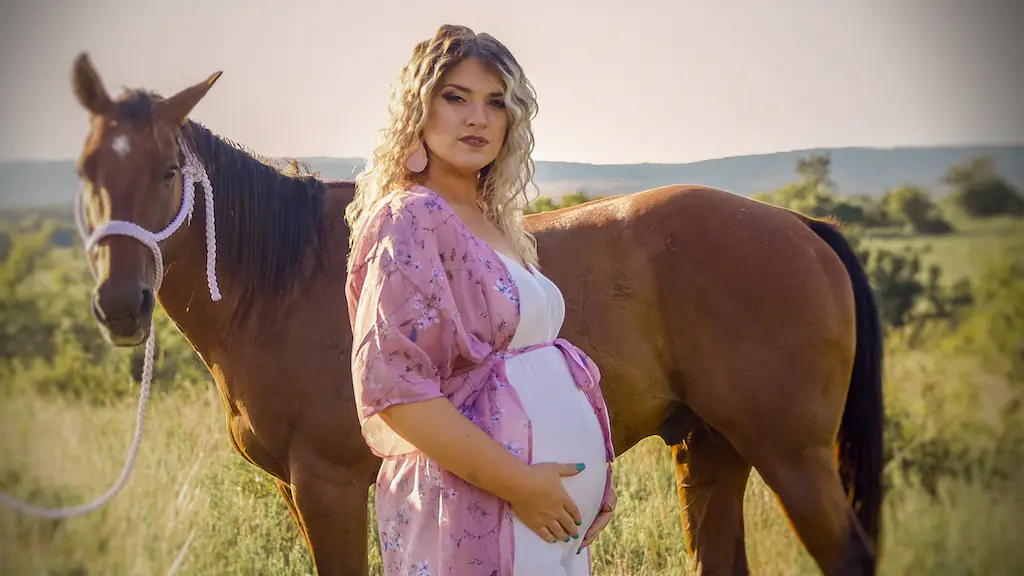
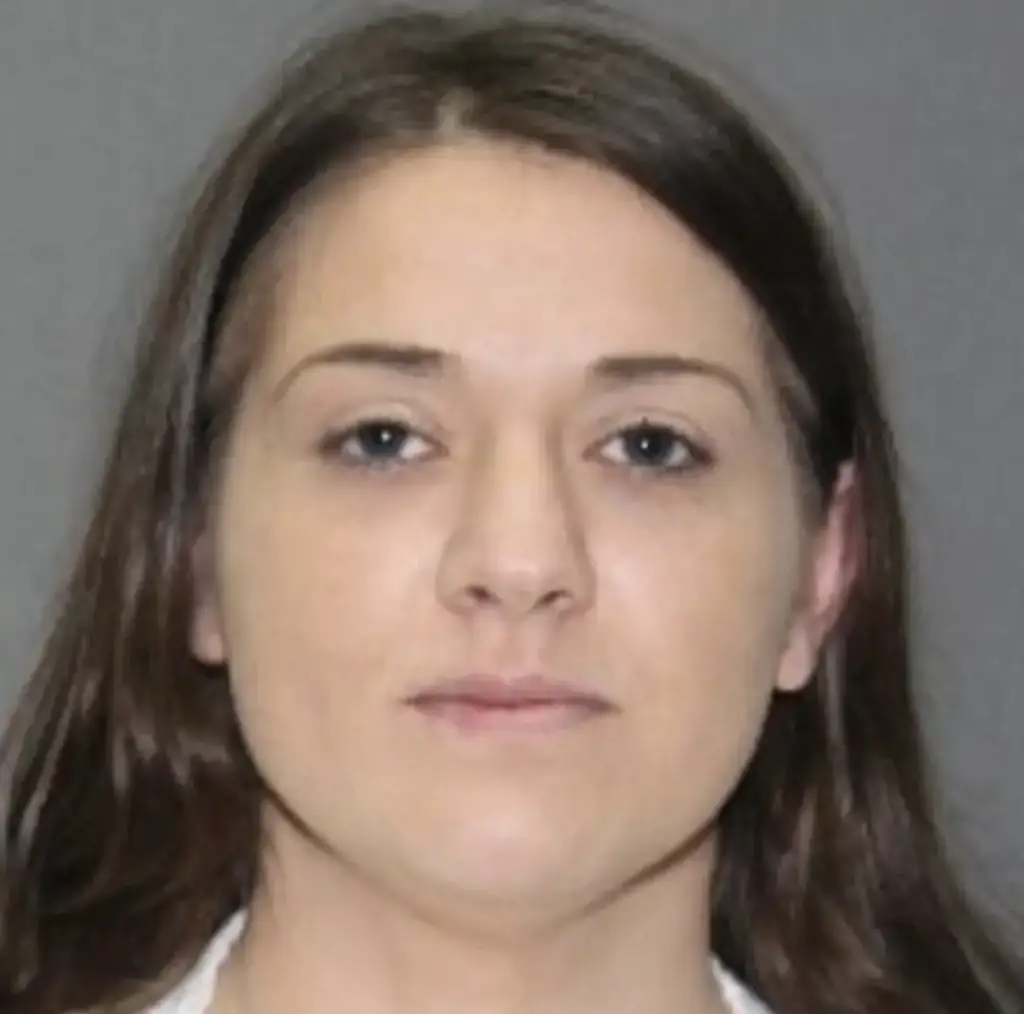
Netflix viewers have been left stunned by the disturbing case at the center of Maternal Instinct, the new documentary examining the murder of 21-year-old Reagan Simmons-Hancock and the actions of Taylor Parker.
Parker, 33, is one of the youngest women on Texas death row after being convicted of capital murder in connection with the October 2020 killing.
The documentary features interviews with Reagan’s loved ones, Parker’s former boyfriend Wade Griffin, and members of his family, while revisiting a case that drew national attention.
While the film explores the fake pregnancy Parker maintained for months and the devastating impact of the crime, several significant details that emerged during her 2022 trial were not included in the final cut.
From testimony by family members to evidence presented in court, the omitted information provides additional context surrounding the case.
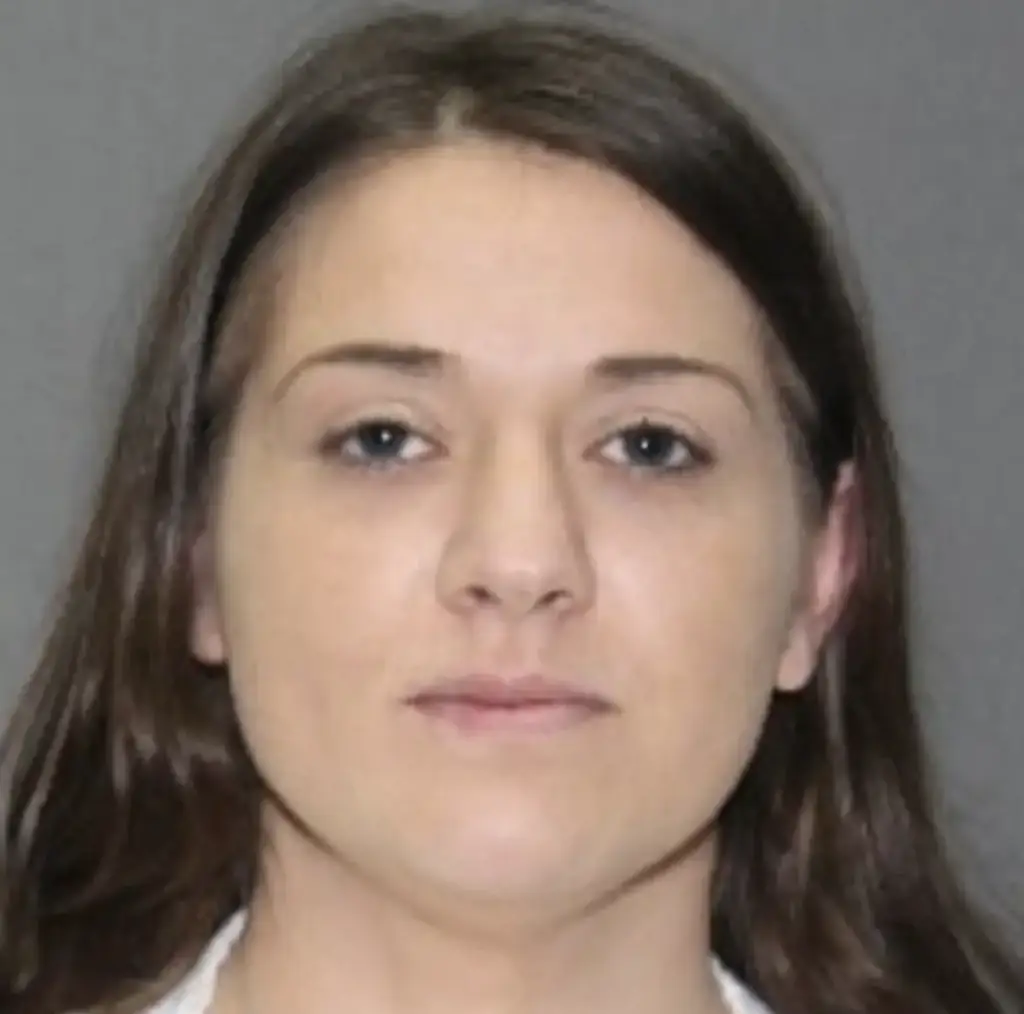
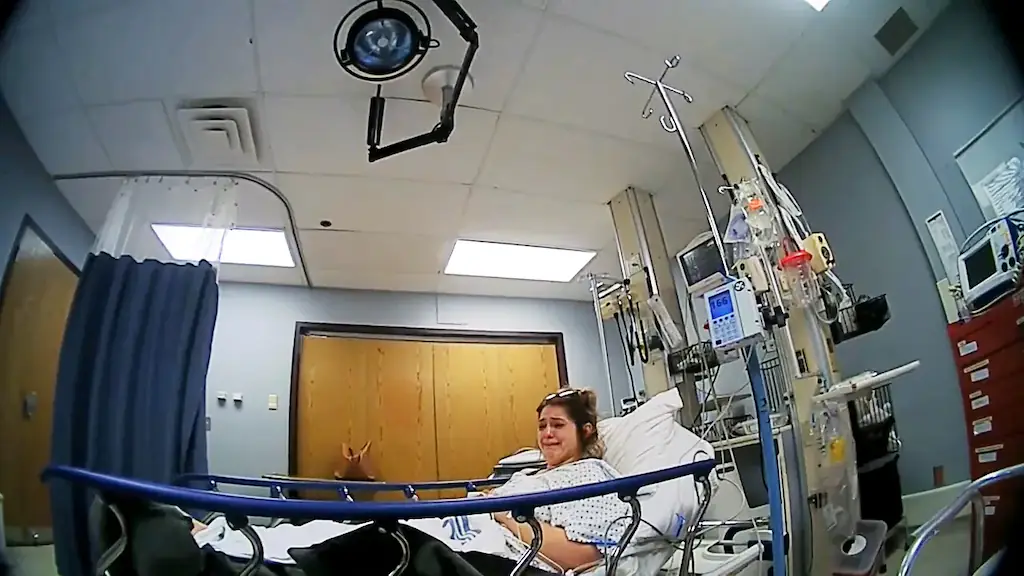
One notable absence was Parker herself. Although viewers saw social media clips, home videos, and bodycam footage, the documentary did not include an interview with her from death row.
Director Jessica Dimmock explained the decision in an interview with USA Today.
“What I really wanted to do was include the perspectives of the people that it affected the most,” she said.
“How did Wade feel about it at the time? How does he feel about it now, looking back? How is Reagan’s family altered forever?”
Dimmock also said: “I hope that she is remembered for not just this crime, but for being an amazing wife, sister, daughter and mother.”
Questions have also continued to surround Wade Griffin and whether he knew Parker was not pregnant. During the trial, he admitted he had doubts but said Parker always had an explanation when concerns were raised.
He testified, “I’ve got my mom telling me one thing, Taylor telling me another. But I’ve been with Taylor this whole time, so I’m going with her.”
According to testimony heard by jurors, Parker claimed medical appointments were affected by COVID-19 restrictions and told Griffin she was experiencing serious pregnancy complications.
Family members also testified that Griffin believed he was feeling her stomach through layers of clothing and did not realize she was allegedly wearing silicone.

Parker’s mother, Shona Prior, also played a major role during the trial but was largely absent from the documentary.
According to testimony, Prior knew Parker could not be pregnant because she had been present when her daughter underwent a hysterectomy. The court heard that she became aware of Parker’s pregnancy claims after seeing a screenshot from a gender reveal party posted online.
“So I sent it to Taylor and said, ‘What am I supposed to tell my girlfriends telling me I’m going to be a grandmother again?” Prior told jurors.
She said Parker responded: “You are.”
Prior also testified: “She knew she wasn’t pregnant. We knew she wasn’t pregnant.
“There was no need to come up with a plan. We figured the lie would be exposed. He [Wade] would figure it out.”
She added: “His mother was aware of it, his brother was aware of it. It’s like everyone around them was aware of it. We did not feel the need to call them up.”
Family members further testified that Parker had a history of elaborate lies and that concerns about her claims had been raised long before the murder.
While the documentary included some crime scene material, trial testimony provided far more detail about the evidence presented by prosecutors.
Jurors heard that Reagan suffered 39 blunt-force injuries, including five skull fractures and a broken nose. Prosecutors alleged Parker attacked her with a claw hammer and a four-pound glass jar before using a medical scalpel she had brought with her.
The autopsy later found the scalpel lodged in Reagan’s neck, with two wounds having perforated her jugular vein.
The documentary also omitted recorded jail calls played during the trial. Prosecutors argued the conversations demonstrated Parker's lack of remorse. In one exchange, her mother challenged her over concerns about her mental state and questioned why she had not undergone a psychiatric evaluation.
Additional testimony focused on Parker's behavior after she was stopped by first responders. Nurse Amanda Pirkey testified that Parker appeared focused on removing blood from her body rather than asking about the newborn. According to trial coverage cited in the source material, Parker asked, “Can I get this stuff off me? I want to get this blood off me.”
Pirkey also recalled Parker saying it “grosses me out” or “disgusts me” while cleaning herself.
During the sentencing phase, jurors also heard testimony about Parker’s relationship with her children. Family members claimed her children were often not her priority, and court documents showed she voluntarily surrendered custody of her son following her 2017 divorce.
Her brother, Zachary Morton, told the court: “It seemed like when Taylor was chasing another man, instead of the focus being on her children, it was on herself. It was all about her at one specific time.”
Together, the testimony, evidence, and recordings presented at trial painted a broader picture of the case than viewers saw in Maternal Instinct, adding further details to one of the most disturbing crimes examined in the Netflix documentary.
us3 min(s) read
Published 10:53 12 Jun 2026 GMT
A new Netflix documentary is set to revisit a deeply disturbing case involving a Texas woman who was sentenced to death after being discovered in a car with a newborn baby while hiding a horrifying secret.
The film, titled Maternal Instinct, will be the latest addition to Netflix’s true crime catalogue and is expected to bring renewed attention to the case of Taylor Parker. Interest in true crime stories remains high, particularly following recent releases like The Crash, which focused on Mackenzie Shirilla and sparked widespread discussion.
Parker’s case stands out as one of the most shocking in recent years. She is currently one of only seven women on death row in Texas and was described in court as an “evil piece of flesh demon.”
Initially pulled over in 2020 for dangerous driving, Parker was covered in blood and had a newborn baby in her car, still attached to the umbilical cord.
She claimed she had just given birth by the roadside and was rushing to the hospital. However, that account was quickly unraveled.
Medical staff soon determined there were no signs that Parker had recently given birth.
It was then revealed that the blood belonged to her friend, 21-year-old Reagan Simmons-Hancock. Investigators found that Parker had murdered her earlier that day in an extremely violent attack, stabbing her more than 100 times before removing the baby from her womb using a scalpel. The baby did not survive.
Reagan’s three-year-old daughter was later discovered unharmed in the home, hiding under her bed covers.
Parker was subsequently found guilty of murder and kidnapping and sentenced to death, where she remains today. Evidence presented during the trial showed she had fabricated an elaborate story about being pregnant, even telling her boyfriend she was expecting and staging a gender reveal party. In reality, she had previously undergone a hysterectomy.
The prosecution detailed the brutality of the attack, which involved 113 sharp force injuries and both a knife and a hammer.
The official cause of death was ruled as “homicide from traumatic extraction from the uterus with both sharp and blunt force injuries.”
Parker’s defence team did not deny that she committed the killing. Instead, they challenged Texas law, arguing that a fetus should not be considered an “individual.”
They claimed the kidnapping charge, which contributed to the death penalty, was invalid because the baby had already died before being taken. This argument was ultimately rejected.
Following the sentencing, Reagan’s family expressed a sense of relief. Her mother, Jessica Brooks, said: “We are just glad justice has been served, not only for our family, our friends, the prosecution team, our community.”
Her sister, Emily Simmons, added: “I’m overwhelmed with happiness it’s over because she has been such a burden in our life for so long now that I haven’t been able to think about my sister without thinking about her.”
film & tv5 min(s) read
Published 12:43 13 Jun 2026 GMT
Warning: This article may contain some distressing information.
Netflix viewers are warning others to prepare themselves before watching Maternal Instinct, a harrowing true crime documentary that explores one of the most heartbreaking murder cases.
The film examines the killing of 21-year-old Reagan Simmons Hancock, a pregnant woman from New Boston, Texas, whose unborn child was stolen in a horrifying attack in October 2020.
As the documentary unpacks the shocking investigation, many viewers have been left deeply unsettled by the story.
One person took to X to share: "I have so many questions. This by far is the most disturbing documentary I’ve watched. #MaternalInstinct."
Another added: "Netflix's #MaternalInstinct is the most jaw-dropping true crime doc I've seen."
A third viewer commented: "I’ve seen MANY documentaries, and this by far has taken the cake for me thus far………….."
Meanwhile, one particularly shaken viewer admitted: "Well I’m going to be nauseous for the rest of the weekend over this documentary."
Directed by Jessica Dimmock and produced by Joshua Levine, Samantha DeMaria, and Jon Bardin, Maternal Instinct follows the investigation into Taylor Parker.
According to the documentary, Parker, from Texas, began dating roofer and hog trapper Wade Griffin in 2019.
Early in their relationship, she told him she was pregnant and spent months building an entire life around that claim.
Evidence presented in court revealed that Parker staged medical appointments and even organized a gender reveal party.
Griffin explained in the documentary that because the pregnancy occurred during the COVID-19 pandemic, Parker was able to tell him he couldn't attend appointments due to restrictions, preventing him from independently verifying her claims.
The documentary reveals that the woman's alleged lies extended far beyond her pregnancy.
According to the people interviewed, she claimed to come from a rich family and spoke about a future inheritance that would eventually make her a millionaire.
Wade recalls being swept up in the life she promised. "She just shined," he says in the documentary, adding: "She just kind of painted a pretty picture kind of for the future."
As doubts about the pregnancy began to grow, those closest to Parker started digging for answers.
Wade's mother, Connie, and family friend Stephanie Ott tried to confirm medical information but repeatedly found themselves hitting dead ends.
"She always had a counter," Connie says in the doc. "Everything I presented, she countered it."
The truth eventually came out when Stephanie contacted Parker's mother directly.
"'I've been waiting on this phone call,'" Stephanie recalls her saying. "'Taylor cannot have kids. She's had a hysterectomy…And there is no money at all anywhere.'"
Medical staff would later confirm Parker had previously undergone a hysterectomy, making pregnancy impossible.
By October 2020, Reagan was 35 weeks pregnant with her second daughter.
The young mother had previously hired Parker for photography work and had become acquainted with her over time.
On October 9, Hancock was found dead inside her home in New Boston. Investigators later determined she had suffered multiple stab wounds and blunt force trauma before her unborn baby was removed from her body, Time Magazine reported.
Her three-year-old daughter was inside the home during the attack but was not physically harmed.
Her newborn daughter, Braxlynn Sage, was taken from the scene.
Just hours after the attack, Parker was pulled over by a Texas state trooper for driving erratically near De Kalb.
She told officers she had just given birth and that the newborn in her vehicle was not breathing.
Emergency responders transported Parker and the baby to a hospital in Oklahoma. It was there that her story quickly began to crack.
Doctors found no evidence that Parker had recently given birth. DNA testing later confirmed that the infant was not hers but Hancock's daughter.
Investigators subsequently reconstructed what prosecutors described as a calculated attempt to maintain a false pregnancy by keeping a baby she could pass off as her own.
An Oklahoma State Bureau of Investigation agent later informed Griffin what police believed had happened.
"I didn't really have no words for nothing at that point," he recalls in the documentary. "It was unimaginable, what she did."
Parker's trial began in 2022 and included testimony from more than 100 witnesses.
Prosecutors charged her with capital murder, arguing the killing occurred during the commission of kidnapping, making her eligible for the death penalty under Texas law.
On October 3, 2022, Parker was convicted of capital murder and later sentenced to death.
Subsequent appeals have failed to overturn either the verdict or sentence. The Texas Court of Criminal Appeals upheld the conviction, while a request for review by the US Supreme Court was also declined.
As of 2026, Parker remains on death row in Texas, where she is among only a small number of female inmates awaiting execution.
You can tune into Maternal Instinct on Netflix.
us3 min(s) read
Published 11:31 12 Nov 2022 GMT
A woman has been handed the death sentence after she was convicted of murdering her pregnant friend and cutting out her baby to take as her own.
Taylor Parker, 29, was found guilty last month of killing the young expectant mother, and on Wednesday jurors in Texas decided she should be given the death penalty for the crime, CNN reports.
Parker killed 21-year-old Reagan Simmons-Hancock in October 2020, striking her in the head and slashing her before "cutting her abdomen, hip to hip" to remove the infant, who ultimately died.
The jury had deliberated for just over an hour when they returned with a sentence, according to the Texarkana Gazette. The same jury found Parker guilty of capital murder on October 3.
Per the outlet, after the victim impact statements from the family were read out, Judge John Tidwell told the bailiff: "Take her to death row."
The court was told that Simmons-Hancock, who was 35 weeks pregnant at the time, was still alive after the brutal attack - which happened at her home while her three-year-old daughter was there.
Simmons-Hancock's mother Jessica Brooks branded Parker an "evil piece of flesh demon" in a statement in court.
She told her: "My baby was alive still fighting for her babies when you tore her open and ripped her baby from her stomach."
The fatal incident took place in New Boston, 160 miles northeast of Dallas. Parker had been pulled over by a state trooper that morning for speeding and dangerous driving.
The baby was in Parker's lap, with the now-convict having tried to make it appear as though its umbilical cord had come from her pants and that she had just given birth.
The baby was taken to a hospital in Oklahoma, where she was declared dead.
It became clear at the hospital that it was not true that Parker had given birth to the baby.
According to prosecutors, leading up to the murder, Parker made herself look like she was expecting a little one, faked ultrasounds and staged a gender-reveal party.
During the trial, a state police investigator told the jury that Parker had carried out a great deal of research on how to successfully convince people that she was pregnant. On the day of the murder, she watched footage of the physical exam of a baby delivered pre-term at 35 weeks.
The victim's husband, Homer Hancock, had explained that his wife was "somewhat friends" with Parker and that Parker had taken their wedding and engagement pictures.
The convicted killer's legal team argued that she had been let down by family and friends who failed to challenge her about the false pregnancy.
"There was no safety net when everyone saw the wheels were off," defence attorney Jeff Harrelson said.
The jurors in Bowie County were shown a harrowing image featuring Simmons-Hancock's bleeding body as the prosecution made its closing statements on Wednesday.
Life without possibility of parole was also on the cards for Parker but the jury decided she must join death row. Her attorney said they plan to appeal.
us3 min(s) read
Published 13:12 27 Nov 2024 GMT
In a chilling sequence of events that culminated in November 2023, Tiffanie Lucas, a 33-year-old mother from Shepherdsville, Kentucky, committed an unthinkable act that led to the death of her two young sons, Maurice, aged six, and Jayden, aged nine.
The incident, captured partially on police body cams and a neighborhood Ring camera, unfolded in a tragic narrative that has since been dissected by both the media and the courts.
Tiffanie Lucas carried out the murders in her own home. Shortly after, a neighbor’s Ring camera captured the sounds of gunshots, followed by Lucas running out of her house pleading for help.
Responding officers found her collapsed in her driveway, where she confessed that her children were dying inside. The boys were discovered next to a gun, their bodies covered in blood.
Lucas’s behavior post-arrest was erratic and distressed. In a video released by Law&Crime, she is seen lying on her driveway in handcuffs, struggling to stand and insisting to the officers that she felt unwell and "not right."
During her interrogation, her mental state appeared increasingly unstable as she fixated on minor details like an officer’s movements, and reacted strongly to sounds and disturbances, suggesting a deep psychological turmoil.
Her explanation for the murders pointed to a disturbing blend of external influences and internal conflict. Lucas claimed that the video games her children played and content they viewed on YouTube had a manipulative effect on their minds, which she felt extended to herself, leading her to believe that something had been "put upon" her house.
She told the police: "I feel like someone put something upon my house or me or something. I just don't feel right. I don’t do this. I love my kids."
The complexity of Lucas’s mental health was a key component of her defense. Initially pleading not guilty, she later changed her plea to guilty as her attorneys prepared an insanity defense, citing "powerful delusions" on the day of the shooting.
They argued that she was manipulated through digital means like Facebook and Wi-Fi, which they claimed influenced her actions.
This defense highlighted her vulnerability and the possible impact of her mental health on her perception and actions.
During her sentencing, the emotional weight of the tragedy was palpable. Maurice Baker Sr., father of one of the victims, expressed his profound loss and missed moments with his son, directly confronting Lucas in court.
The judge reflected on the unimaginable horror the children must have experienced, emphasizing the devastating impact of Lucas’s actions.
Tiffanie Lucas was sentenced to two life terms, with the possibility of parole in 20 years, as the community and the victims’ family grappled with the dual themes of immense loss and the critical importance of addressing mental health issues comprehensively.
weird4 min(s) read
Published 13:22 29 May 2026 GMT
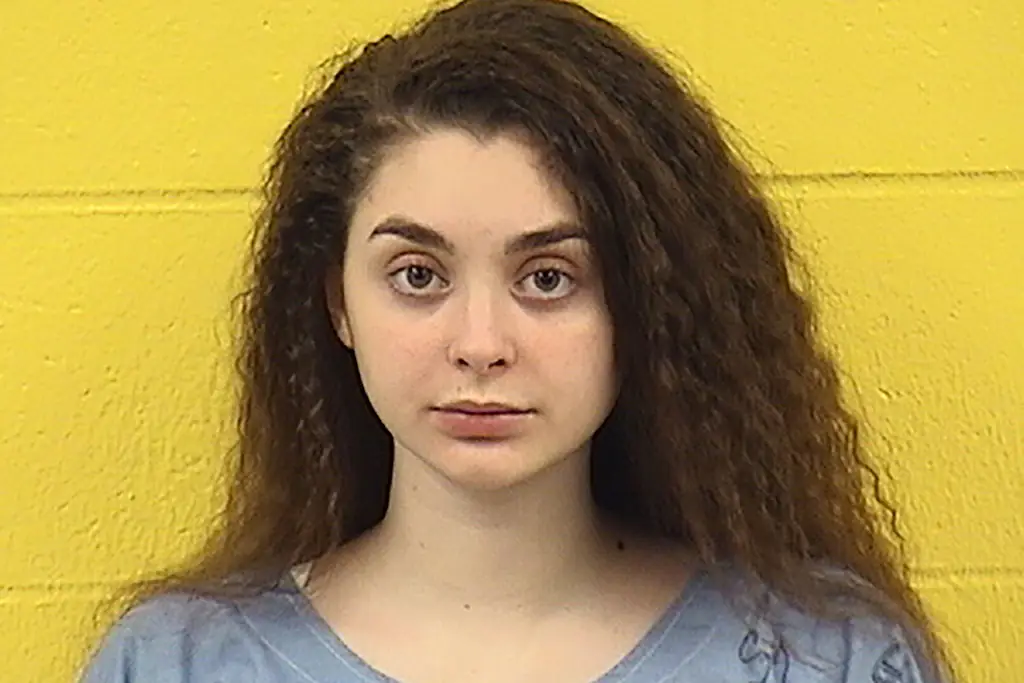
Gypsy Rose Blanchard has weighed in on one of Netflix’s most talked-about true crime documentaries, sharing her thoughts on convicted killer Mackenzie Shirilla and why she believes prison is where the 21-year-old will remain for a long time.
The 33-year-old, who served time for her role in the murder of her mother, Dee Dee Blanchard, spoke to TMZ about Netflix’s The Crash and the intense public fascination surrounding Shirilla’s case. The documentary has sparked widespread debate since its release, with viewers divided over whether Shirilla deserves sympathy or whether the film presents her in a more favorable light.
Shirilla was convicted in 2023 of murdering her boyfriend, Dominic Russo, and friend Davion Flanagan after prosecutors argued she deliberately drove her vehicle into a brick building at 100mph following an argument with Russo. The judge in the case later described the crash as “hell on wheels.”
Speaking about the documentary, Gypsy revealed she had watched it despite not considering herself a true crime enthusiast.
“I watched all the documentaries that’s currently out,” Gypsy said during the interview.
“Although I watch these documentaries, I’m not a true crime junkie. Some people might think I am, but I’m not. But it did seem interesting, so I did watch it.”
When asked whether she believed the Supreme Court could overturn Shirilla’s conviction, Gypsy dismissed the possibility.
“No, I don’t,” she said.
“After watching the documentary, I don’t think the documentary did her any favors.”
Gypsy, who was released on parole in 2023 after serving eight years in prison, said Shirilla still has significant personal growth ahead of her, despite being eligible for parole after serving 15 years of her sentence.
“She’s gonna have to do a lot of extensive therapy,” Gypsy explained.
“She’s young, and it’s not gonna sink in until maybe 20 years from now.”
She also claimed that parole boards often place considerable weight on the wishes of victims’ families.
“If the victim’s family writes against her parole, she will automatically be denied,” she claimed.
“I’ve seen it happen time and time again.”
She continued: “The time that she’s in prison right now, she needs to grow up and take accountability.”
“The remorse will hit her like a train.”
Gypsy believes genuine remorse may not fully register with Shirilla for years, but said that could eventually change.
“It’s going to hit her like a train,” she said.
“And when that happens, she needs to take those steps to do what she needs to, to make amends with the victim’s family.”
She stressed that any forgiveness would remain entirely in the hands of the victims’ loved ones.
“They don’t have to forgive her by any means,” she added.
The comments come as public interest in Shirilla’s case continues to grow following Netflix’s documentary, with online discussions remaining deeply divided over her guilt, punishment and future.
The interview also touched on the controversial topic of convicted criminals building online followings or making money from their notoriety after leaving prison.
While Gypsy acknowledged the issue is “complicated,” she said she does not believe Shirilla should be allowed to profit from her case.
“I feel like Mackenzie specifically should not benefit from social media or any other kind of avenue,” she explained.
Gypsy contrasted Shirilla’s case with situations involving domestic violence or self-defence, saying she believes abuse survivors should still be able to share their experiences publicly.
But she argued Shirilla’s circumstances are fundamentally different.
“There’s no abuse. There’s no sympathetic story behind it,” she said.
“In her case specifically, no, I don’t think that she should monetize. No, I don’t think she should be an influencer on social media.”
Her remarks have already fuelled further debate online, particularly as many people continue to draw comparisons between the public fascination surrounding both women’s cases. While Gypsy became the subject of documentaries, dramatizations, and viral internet discussion following the murder of Dee Dee Blanchard in 2015, Shirilla’s case has developed a similarly large following after receiving the Netflix documentary treatment.
As conversations around true crime continue to evolve, opinion remains sharply split over where the boundary lies between telling these stories and turning convicted killers into celebrities.