


Film & TV3 min(s) read
Horror movie starring Willem Dafoe was given an ‘anti-award’ after shocking viewers with real sex

He may now be best known for his roles in recent box office hits like Poor Things with Emma Stone and Nosferatu with Lily-Rose Depp, but actor Willem Dafoe was once embroiled in a film so controversial it earned him an 'anti-award' for his work on it.
The controversial film premiered at the Cannes Film Festival in 2009 and received polarizing responses from critics.
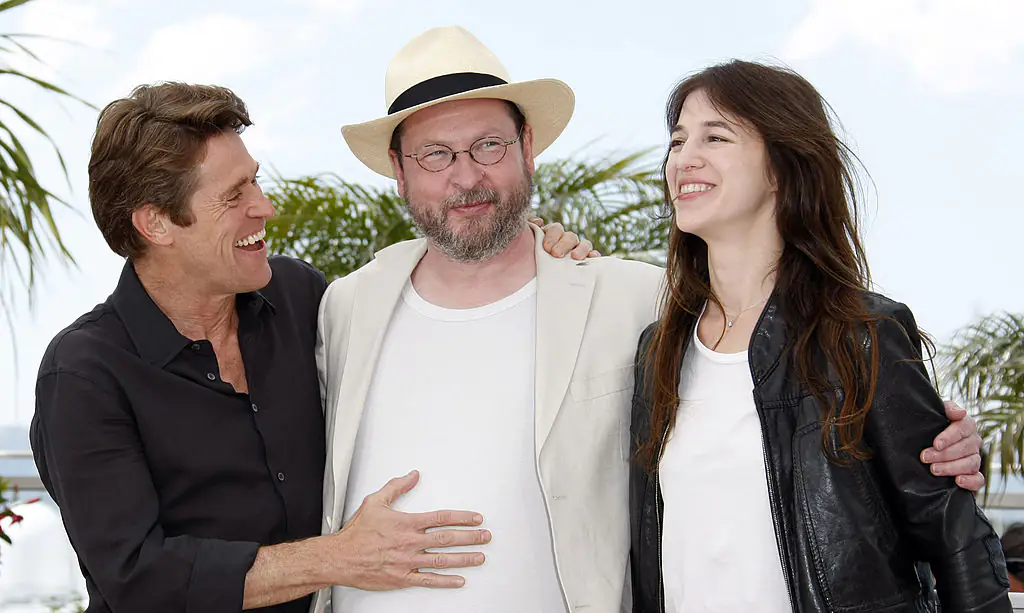
Dafoe starred alongside French film star Charlotte Gainsbourg in the flick, which was directed by Lars von Trier, a Danish filmmaker known for pushing acceptable boundaries with his work.
The film was called Antichrist and proved to be one of the most talked-about transgressions in film at the time, not in the least because it claimed to feature 'real sex,' or 'unsimulated penetration', in some scenes.
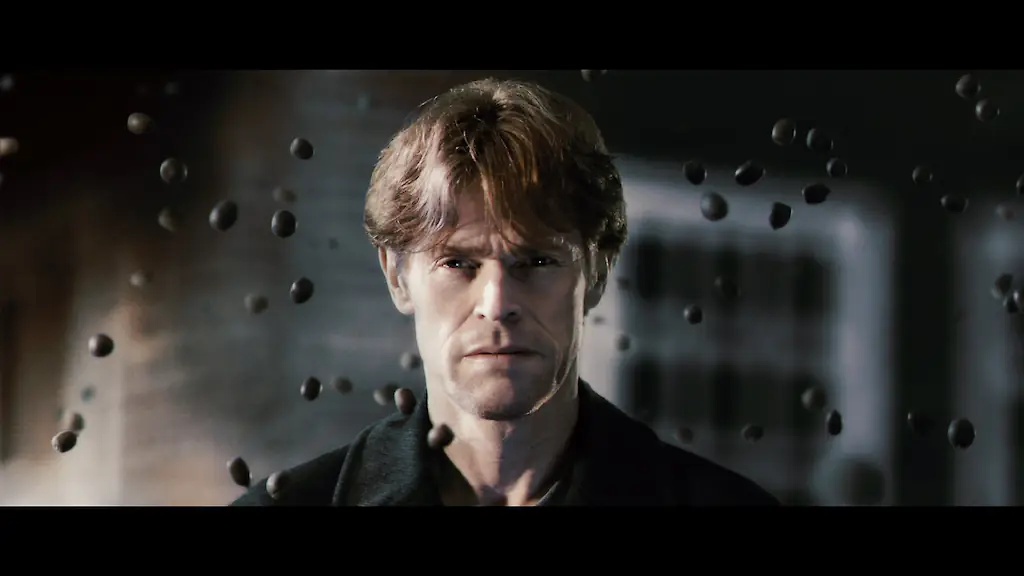
Anti-award given to film for 'misogynist' values
Antichrist focuses on a couple (played by Dafoe and Gainsbourg) retreating into a cabin deep in the woods to grieve the recent death of their toddler son. The couple are never given names, and are credited as He and She.
The couple undergo psychotherapy to work through their grief, and it affects them in different ways. Dafoe's character starts to experience strange visions of creatures in the wood, while Gainsbourg's character becomes atypically violent and sadomasochistic, and comes to believe that all women are inherently evil.
Due to its graphic, violent nature, the film was not an easy pill to swallow for critics or audiences, although it did find its defenders, especially in von Trier's home country of Denmark, where it was hailed as a "masterpiece."
Less gushing was its reception at Cannes. The festival's ecumenical jury, which was founded by Christian filmmakers to rewards films of "quality which touch the spiritual dimension," were definitely not fans.
They awarded Antichrist an "anti-award" and called it "the most misogynist movie from the self-proclaimed biggest director in the world."

Cannes director called anti-award a "call for censorship"
Not everyone at the festival thought this was such a good idea though.
Cannes festival director Thierry Fremaux criticised the decision, telling the AFP that the ecumenical jury's award "bordered on censorship."
"[It was] a ridiculous decision," he said, "that borders on a call for censorship. [It is] scandalous coming from an 'ecumenical' jury which what is more is headed by a filmmaker."
However, it wasn't all bad news. Gainsbourg's performance as the troubled wife of Dafoe's character was rapturously received and she ended up winning the gong for Best Actress at Cannes that year.
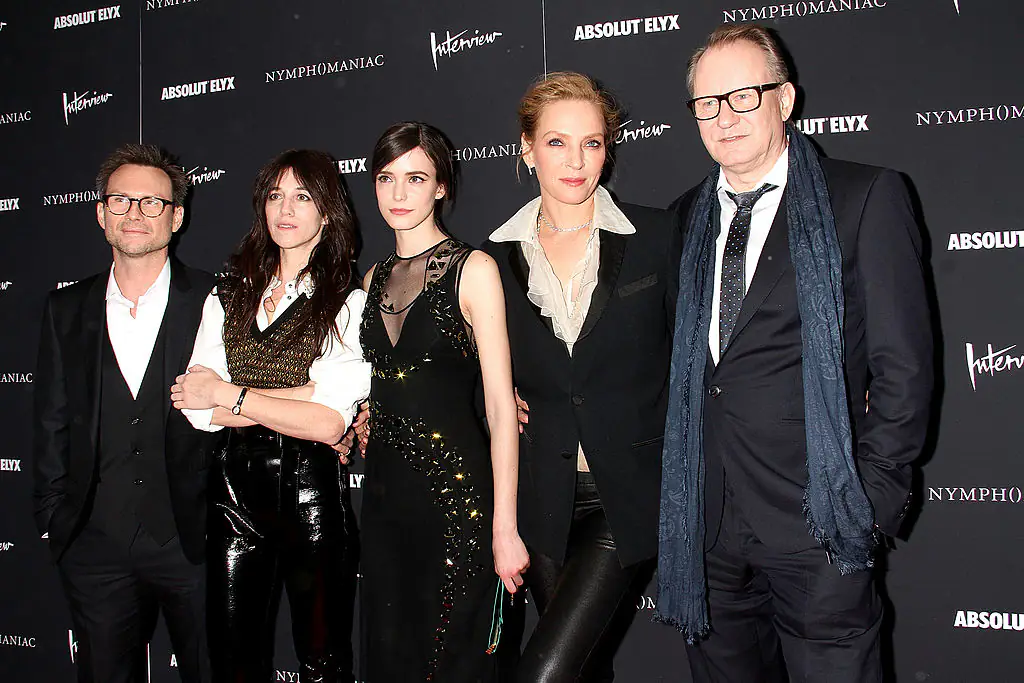
While never making a direct sequel or continuation to Antichrist, von Trier considers the film the first in a loose 'Depression Trilogy' which he followed up with 2011's Melancholia and the even more controversial Nymphomaniac in 2014.

.webp_QQJmGo?tr=cr-345.0.1535.1190,f-webp,q-70,w-100)





.webp_QQJmGo?tr=cr-345.0.1535.1190,f-webp,q-70,w-1024)


