ADVERT
LGBTQ3 min(s) read
Published 15:54 23 Jul 2026 GMT
Although there is still a long way to go when it comes to LGBTQ+ rights, in 2026 people are generally able to express themselves, and while they may not adhere to traditional labels, there are now so many out there that one should stick.
Many people within the queer community no longer identify as male or female, gay or straight.
However, even newer terms such as demi-sexual or pan-sexual are failing to fit some people’s identity, and there is a new label on the block.
On social media, the term “Male Lesbians” is taking off as a growing number of people are choosing to identify with a label which at first seems completely contradictory.
While there is currently no dictionary definition of what constitutes a male lesbian, the term is disliked among members of the queer community, as a lesbian has always meant females who are attracted to other females.
According to Kiki Maree, a s*xologist and educator, the meaning of a male lesbian is under a lot of speculation from both inside and outside the community.
She told BoredPanda: “There isn’t a single definition or community consensus, which is one of the reasons the term generates so much discussion.
“Today, many LGBTQ+ people would say that ‘male lesbian’ is not a standard or widely accepted identity, as lesbian is commonly understood to refer to someone who is not a man and who is primarily or exclusively attracted to women or other non-men.”
However, for people who do not fit into binary gender identities, it is a label that expresses both s*xuality and gender.
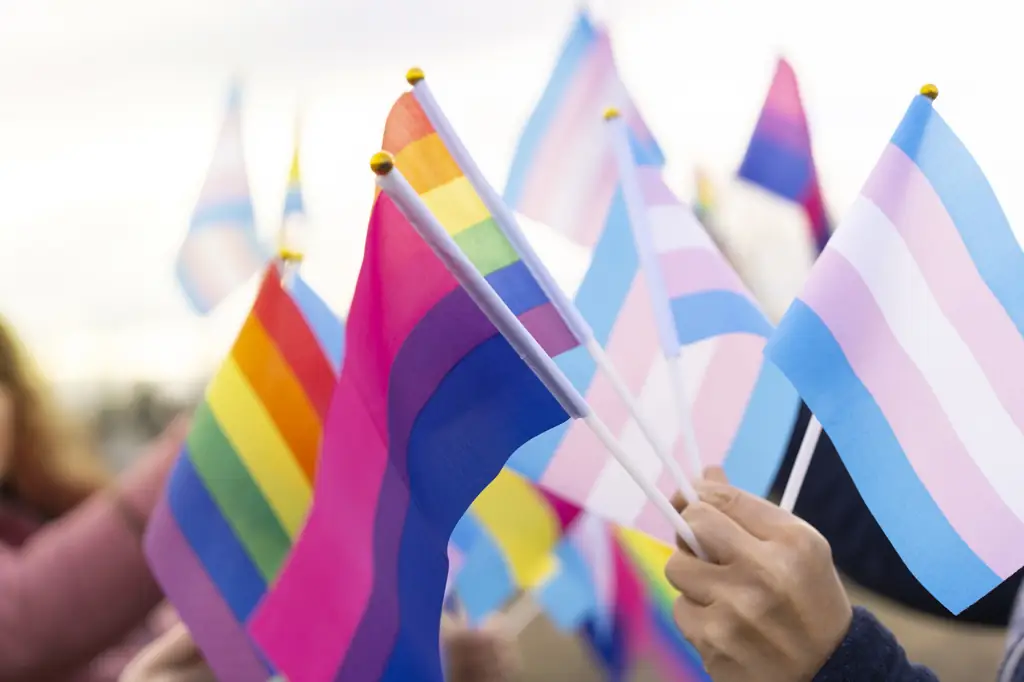
The controversial term is most commonly used by “transgender men, transmasculine people, or some non-binary individuals who identify and live as male or masculine but who identify as lesbian,” according to a LGBTQ+ and gender studies expert.
The expert also revealed that some trans people chose to keep the label throughout and after their transition “usually because of [their] attraction to women and/or because lesbian describes a community, history, or way of relating that might predate [their] transition.”
They added: “Within trans communities, it’s largely understood as a self-descriptive term.
“Yet, some lesbians push back on any man, trans or cis, using the label because they see it as blurring a category that takes work to defend.”
In a video explaining why they use the term, a TikTok user said: “When I tell people that I am a lesbian trans man, one of the most common arguments I get against my identity is that if I was just trans masculine, or just non-binary, that would okay, but being a trans man is too far.”
Interestingly, they added that although they are a trans man, they still do not fit into a binary gender label, making them non-binary too.
Which is why they say: “I view lesbian as part of my gender, lesbian is a part of my gender experience, like lesbian exists in the depths of my soul, it’s way more than just a s*xuality for me.”
relationships3 min(s) read
relationships4 min(s) read
lgbtq3 min(s) read
lgbtq3 min(s) read
Published 15:38 12 Nov 2025 GMT
relationships4 min(s) read
Published 17:22 03 Nov 2025 GMT
The term "finsexual" is becoming more prominent, but what exactly does it mean?
Well, it's a sexual orientation that’s quietly been part of internet subcultures for more than a decade but is now capturing broader attention.
You may have never heard of it, but it’s gaining traction in LGBTQ+ spaces and beyond, challenging long-held ideas of what sexual orientation really means.
While terms like gay, straight, and bisexual have long been the mainstream go-tos for defining attraction, the internet has birthed a more nuanced term - one that reflects how people actually feel, not just how society expects them to.
Finsexual, short for “feminine in nature,” describes an exclusive attraction to individuals who present themselves in a feminine way.
That includes women, feminine-aligned nonbinary people, and even feminine men—regardless of their sex assigned at birth.
As one Reddit user put it directly: "Finsexual is the exclusive attraction to those who are feminine in nature.
"This means finsexual people are attracted to women, feminine-aligned non-binary people, and potentially feminine men. It is the attraction to femininity."
This framing shifts the focus from gender identity or anatomy to the way someone presents themselves - how feminine they appear or express.
As with many newly popularized identity labels, finsexual has met both support and confusion. Some are embracing the clarity it brings, while others are scratching their heads.
One Reddit user admitted the term gave them a long-awaited sense of accuracy: "I thought I had it with gynosexual, but it’s too broad. This describes me better."
For some users, the label allows for the inclusion of personal preferences while maintaining a consistent core of attraction centered on femininity.
As one person clarified in response: "I’m attracted to FIN individuals but have a preference for those with female genitalia… I am still attracted to people who are FIN and have male genitalia, just stating this in case anyone missed the keyword ‘preference.'"
The finsexual label often overlaps with gynesexual - another term for attraction to femininity - but many argue finsexual is more specific.
It’s not just about liking women or feminine people broadly - it’s about being drawn exclusively to feminine presentation, regardless of gender.
And like many emerging orientations, variations of finsexual are already out there. These include:
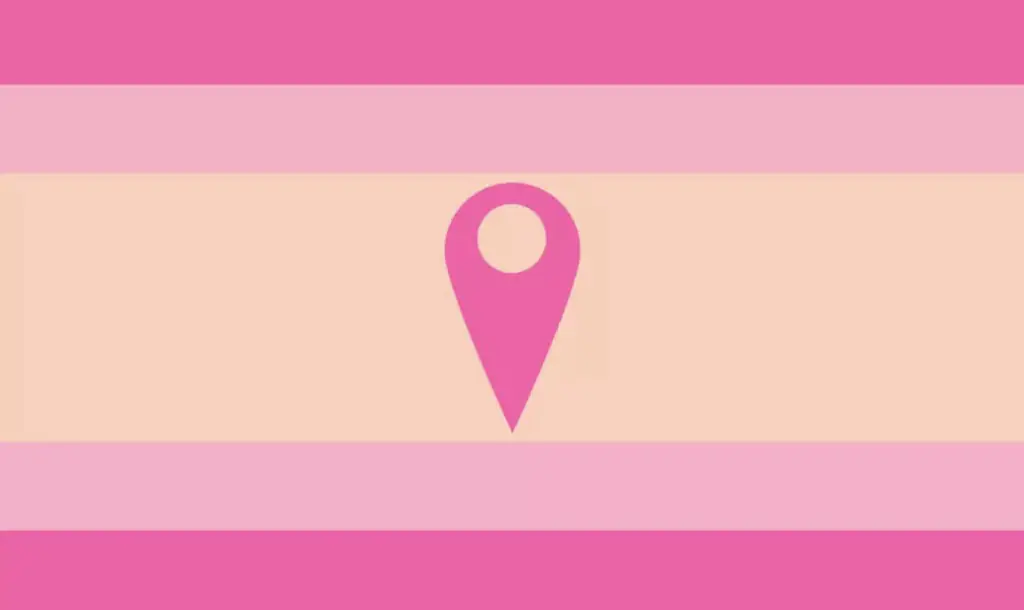
Naturally, a flag has emerged - usually adorned with pink tones that visually echo femininity.
While different creators have their own interpretations, the aesthetic leans heavily into soft, feminine hues that reinforce the identity’s core focus.
The term has found particular resonance within nonbinary communities, though anyone who feels aligned with its definition is encouraged to use it.
Published 16:56 27 Feb 2026 GMT
Human sexuality has never been one-size-fits-all. As our understanding of identity continues to evolve, so too does the language we use to describe who we are and who we’re drawn to.
One term that’s been gaining attention is 'androsexual' — and for many, it offers clarity where other labels fall short.
When it comes to attraction, people experience it in countless ways.
Language can be a powerful tool in helping individuals articulate those feelings.
In the past, even widely recognized terms like homosexual or non-binary didn’t exist.
That doesn’t mean people who we might now consider gay or non-binary weren’t around — they simply used different language and frameworks to understand themselves.
The term 'androsexual' draws from the Greek prefix 'andro-,' which relates to masculinity.
And that’s exactly what it refers to: attraction to masculinity — regardless of who is expressing it.
In simple terms, being androsexual means you are attracted to masculinity, but not necessarily to men.
At first glance, some might wonder: why not just say you’re attracted to men?
The answer lies in nuance.
Someone who identifies as androsexual isn’t exclusively drawn to men as a gender category.
Instead, they’re attracted to masculine traits or presentation — whoever embodies them.
For example: A lesbian or bisexual woman may feel especially attracted to women who present in a more masculine way.
A pansexual person might be attracted to people of all gender identities, but find themselves gravitating toward those who appear more masculine — whether they’re women, men, or non-binary individuals.
Even a straight man could identify with the term if he’s attracted to masculine-presenting women, but not to men.
The label provides a way to separate attraction to masculinity from attraction to men specifically. For many, that distinction feels more accurate and affirming.
For some individuals, traditional labels don’t quite fit. That’s where 'androsexual' can offer clarity.
One person who identifies with the term androsexual wrote on Reddit: "I’m agender and AFAB [assigned female at birth] so it feels weird to say I’m heterosexual so there aren’t really any better words to describe my sexual identity (I’m attracted to cis/trans men/male presenting enbys [non-binary people])."
Another agreed: "I also am attracted to men and masculine enbies and I use it because it’s what describes my attraction the best, even if my attraction doesn’t perfectly fit any of the definition."
For these individuals, the term doesn’t just describe who they’re attracted to — it helps resolve the discomfort or confusion that can come with using labels that don’t fully align with their gender identity.
The concept of androsexuality can be particularly helpful for people who identify as non-binary or gender-fluid.
When your own sense of gender can shift, traditional sexuality labels may feel limiting or inaccurate. After all, how do you define yourself as gay or straight if your gender identity isn’t fixed?
If some days you feel like a man, some days a woman, and some days neither, sexuality categories built on rigid gender binaries can feel complicated.
For some, focusing on attraction to qualities — like masculinity or femininity — rather than strictly to men or women provides a clearer framework.
Of course, being non-binary or gender-fluid doesn’t prevent someone from identifying as straight or gay. Everyone’s relationship with their identity is deeply personal. There’s no single 'correct' way to label yourself.
But for those who find masculinity attractive without necessarily being attracted to men, 'androsexual' can feel like the right fit.
At its core, the rise of terms like androsexual reflects something simple: people want language that accurately captures their lived experience.
The word offers specificity. It separates gender from gender expression. It gives individuals a way to say, 'this is what I’m drawn to,' without feeling boxed into a category that doesn’t fully resonate.
And if a word gives someone the means to describe what they feel, that’s a good thing.
Published 16:15 04 Dec 2025 GMT
l
Conversations around gender and sexuality have broadened massively in recent years. As terms like non-binary, genderfluid, and intersex become widely understood, other identities are also gaining visibility – including neptunic sexuality, a label many people are now embracing to better describe who they’re attracted to.
Below, we break down what “neptunic” actually means, how it differs from similar identities, and where the term originated.
Neptunic refers to people who are attracted exclusively to neutral non-binary individuals, feminine-aligned non-binary people, and women. You may also hear this orientation called nomascsexual.
In simple terms: neptunic people are not attracted to men or masculine-aligned non-binary individuals.
The label is flexible – someone might identify as a neptunic cis woman, a neptunic non-binary person, or use it alongside other orientation terms.
Credit: David Silverman/Getty Images.
Neptunic is one of many identity labels that help non-binary people describe their attraction in a more precise way. Here are a few related terms:
While lesbian usually refers to cis or trans women attracted to women, neptunic is primarily a label used by non-binary people. Many prefer it because it avoids assumptions about their gender and gives a clearer picture of who they’re attracted to.
That said, anyone who feels the term fits their experience is welcome to use it.
The term originated on Tumblr. User socialjusticeichigo coined “neptunic” on August 31, 2017, as a shorter, more approachable version of “nomascsexual.” They emphasized that the label is not exclusive to non-binary people – it’s open to anyone who finds it helpful.
You might be neptunic if you’re drawn to:
…while not feeling attraction toward men or masculine-aligned individuals.
Because sexuality is deeply personal and often fluid, there’s no test – if the term resonates with you, it’s valid to use it.
Crdit: Alexander Spatari/Getty Images.
Neptunic individuals may be:
Their pronouns can be she/her, he/him, they/them, or newer gender-neutral sets like xe/xem, ze/zir, or ey/em. As always, the most respectful approach is to share your own pronouns and ask others for theirs.
Neptunic is still a relatively new identity, which means misinformation (and curiosity) are common. If you’re exploring this term – whether for yourself or simply to learn – you’re already contributing to a more informed and inclusive world.
Understanding expanding sexual and gender identities not only helps validate individual experiences but also fosters a community where everyone feels seen.
As language continues to evolve to reflect the diverse experiences of attraction, new terms are emerging to help individuals define their sexual identities. One such term gaining traction online is "almondsexual," a label that provides a more specific understanding of attraction patterns within the broader multisexual spectrum.
While this term is relatively new, its growing popularity highlights the increasing desire for language that mirrors personal experiences of sexuality and identity.
"Almondsexual" is one of many microlabels that fall under the multisexual umbrella, joining other orientations such as bisexuality, pansexuality, and omnisexuality. Each label allows for a more nuanced description of the ways people experience attraction, providing a sense of validation and understanding to those whose experiences don't fit neatly into traditional categories.
This particular label has found a place in both online and offline conversations about attraction and identity, helping people express their experiences more clearly.
Almondsexuality refers to a primary attraction to male-aligned and androgynous-aligned genders, with a secondary or less frequent attraction to female-aligned genders. This label is most commonly associated with individuals who experience a strong, consistent attraction to masculine and neutral presentations, while feeling less drawn to feminine presentations.
It is part of a wider group of orientations that are known for being specific about the nature of attraction rather than being all-encompassing, such as bisexuality or pansexuality.
The term was coined in November 2023 by a Tumblr user known as genderstarbucks. Almondsexuality is often considered a microlabel, meaning it describes a specific variation of multisexual attraction. This allows people who identify with this term to communicate their experience in a way that resonates more closely with their feelings.
Although it is distinct in its focus on gender preference, almondsuality exists alongside other related terms, such as berrisual (attraction to feminine and androgynous genders) and almondromantic (a romantic counterpart for the same pattern of attraction).
When encountering a term like almondsexual, it’s important to remember that it is a valid identity that reflects the diverse ways people experience attraction. Like all sexual orientations, it is an inherent aspect of a person’s identity and not a choice or temporary phase. It does not negate or diminish broader LGBTQIA+ labels, but rather allows individuals to be more specific about their attraction patterns, depending on their preference.
An almondsexual person may use the term in spaces where a more precise descriptor is necessary, but still identify with broader terms like "queer" in other contexts.
Their orientation is valid regardless of the gender of their romantic or sexual partner. Ultimately, terms like almondsual provide individuals with a sense of agency over their identity, making it easier to communicate personal experiences in a world where language is continually adapting to reflect the complexity of human sexuality.
Published 14:30 29 Nov 2025 GMT
Berrisexual is a word that is causing intrigue online, but what exactly is the new indentity?
Across queer communities online, new language continues to emerge to describe the full spectrum of attraction.
For many, discovering a word that captures their experience can feel like a relief, almost like finding a missing puzzle piece.
Recently, one of those words — berrisexual — has begun to gain traction among people who find that traditional labels don’t quite fit.
Although berrisexual remains far less well-known than labels such as bisexual or pansexual, it is slowly seeping into conversations on Reddit, Tumblr, and LGBTQ+ wikis.
For a growing number of people, the label offers recognition, clarity, and a sense of belonging.
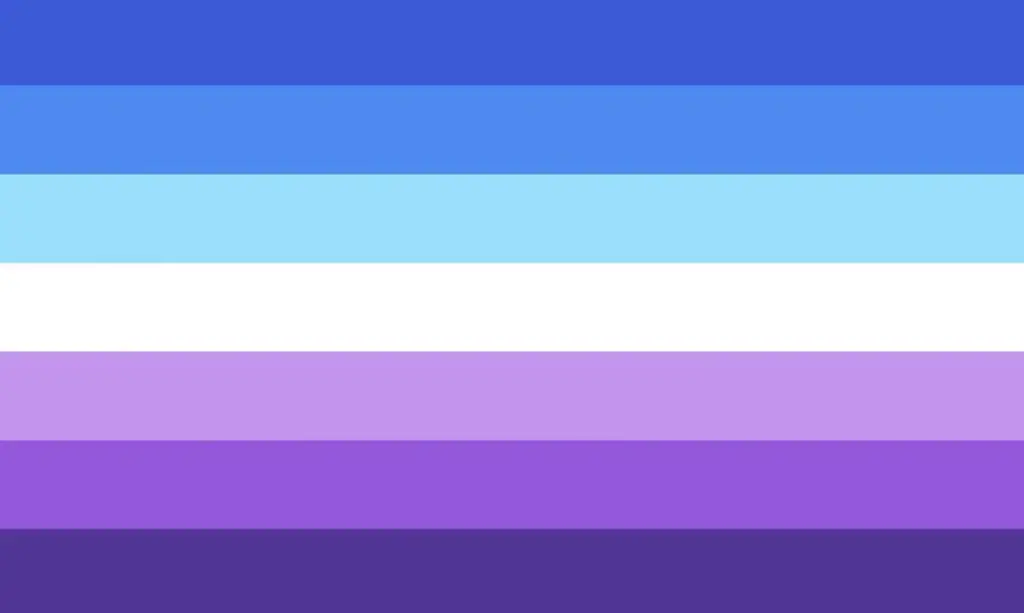
According to community-contributed definitions, a berrisexual is someone who can be attracted to all genders, but with a distinct pattern: attraction toward women and feminine-aligned or nonbinary/androgynous people is the default, while attraction toward men or masculine-aligned people is lighter, rarer, or more secondary.
One early definition describes berrisexual as “someone attracted to women and feminine genders and androgynous genders, but also very rarely attracted to men and masculine genders.”
On Tumblr, users often explain that the label fits people who are “usually only attracted to women/feminine-aligned genders and nonbinary/androgynous-aligned genders, but occasionally feel little attraction to men/masculine-aligned genders.”
Community sites such as Queerdom Wiki (where the identity is sometimes called Laurian) clarify that while berrisexuality shares similarities with pansuality or omnisexuality — in that someone might be open to attraction to all genders — the key difference lies in the pattern: attraction to men is usually minimal or rare, compared with attraction toward women and nonbinary people.
On Reddit, users have greeted berrisexual with a mixture of humor and pride.
On r/bisual one user joked about what the “berrisexual flag as a person” might look like. On r/lgbt, reactions have been more enthusiastic. As one user wrote: “Berrisexual representation! 💙🩵🤍💜💜,” while another added: “Many people don’t know about berrisexual, and we need more representation!”
For some individuals, conventional labels like bisual or omnisual don’t quite nail down their personal feelings.
One redditor explained that they had struggled to choose between calling themselves omnisual or neptunic — then discovered berrisexual, which “felt more accurate.”
They wrote: “Now I don’t have to pick because berri fits like a glove.”
Another admitted they sometimes identify publicly as omnisual because it’s simpler to explain, even though they consider themselves berrisexual.
As the term gains visibility, some confusion and curiosity have emerged.
Questions such as whether berrisexuals can date men — or whether the label excludes men entirely — are already circulating. But community responses leave little doubt: of course they can.
As one contributor on the LGBTQIA+ Fandom site put it: “Berrisuality is about attraction to all genders… you can always date a man.”
For many, labels like bi, pan, or omnisual work perfectly well. But for others, those words may feel too broad or imprecise.
Microlabels like berrisexual provide a way to describe orientation that feels authentic, specific, and affirming.
Having a word that says: “Yes, I am open to attraction to anyone, but in reality my feelings are mostly toward women and nonbinary people,” can offer relief from the frustration of repeatedly trying to explain nuance. It can also help people find community with others who share similar patterns of attraction.
Even if berrisexual remains a niche identity today, it reflects a broader truth about queer life: attraction can be complex, fluid, and deserving of precise language.