


Health3 min(s) read
First legal users of ‘Godzilla’ weight loss drug report ‘genuinely unbearable’ side effect that left them 'unable to experience joy'
.webp_SmgFsc?tr=cr-292.0.1244.952,f-webp,q-70,w-100)
Retatrutide has attracted attention for producing major weight loss in clinical trials, but reports online have raised questions about how drugs that affect appetite and reward could also affect people's enjoyment of everyday life.
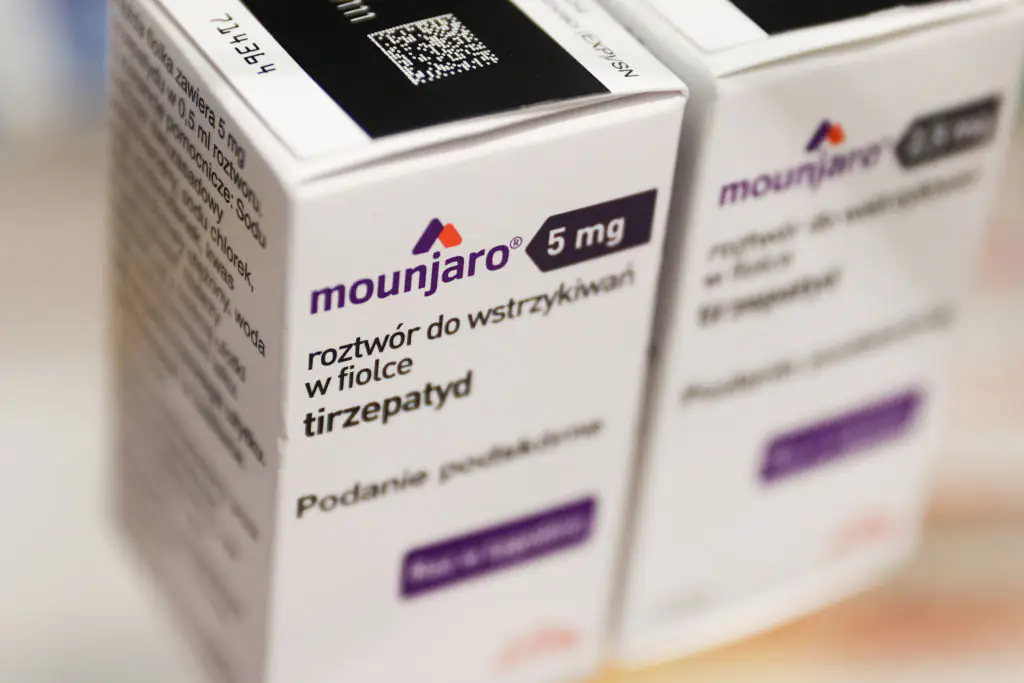
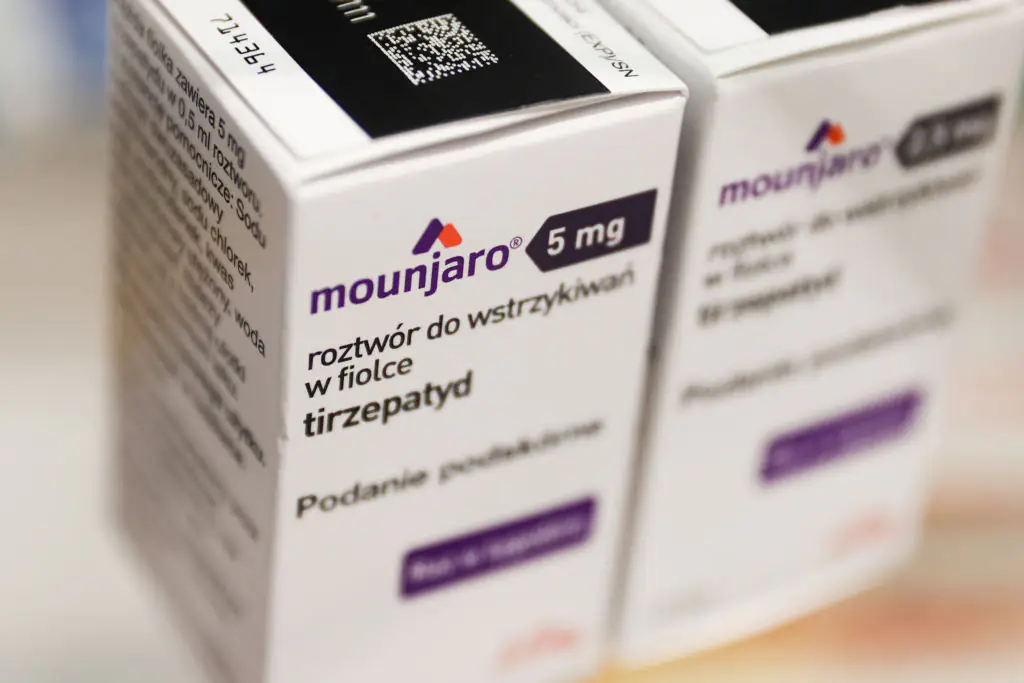
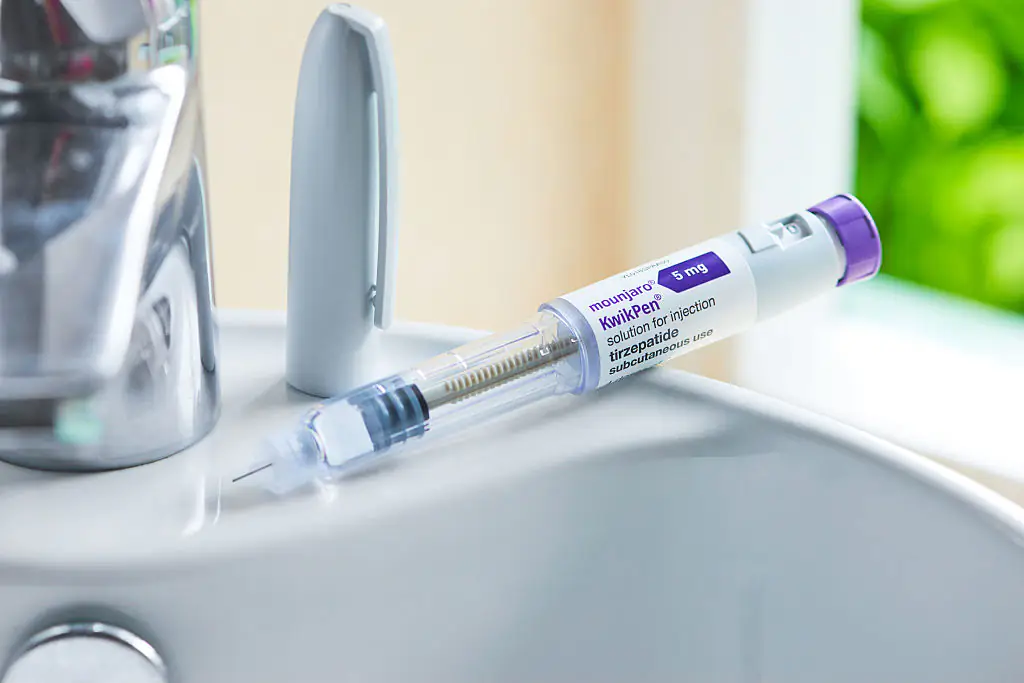
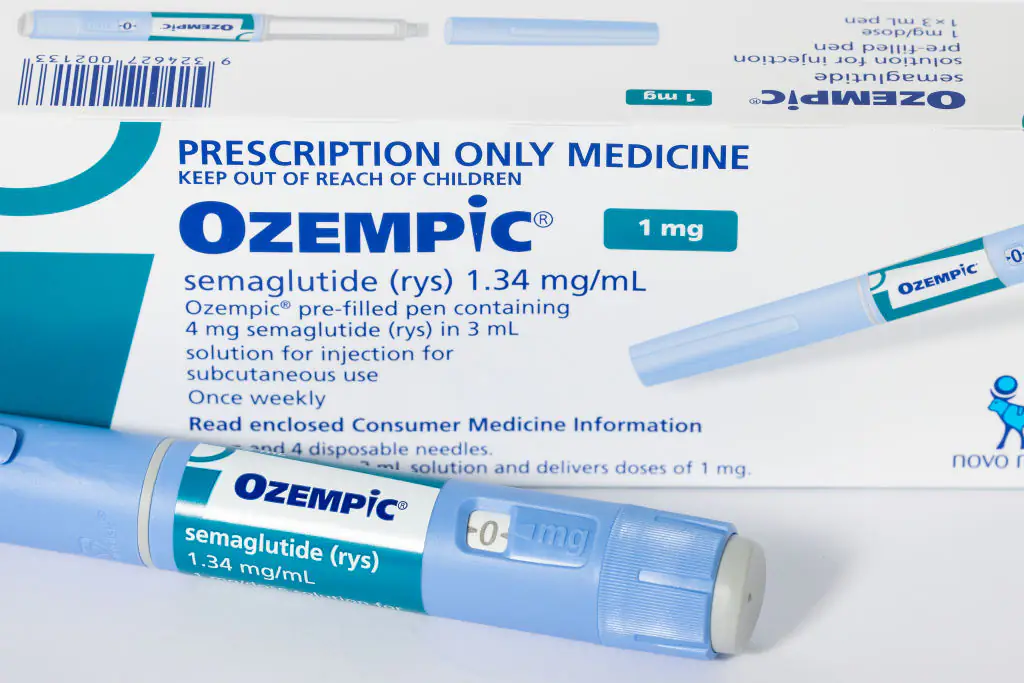
The experimental medication, developed by Eli Lilly, is a once-weekly injection that activates three hormone receptors: GIP, GLP-1 and glucagon. Unlike approved drugs such as Wegovy and Mounjaro, retatrutide is still investigational and has not been approved by the FDA, the UK's MHRA or any other regulatory agency. Eli Lilly says it is legally available only to participants in its clinical trials.
Results so far have been striking. In Eli Lilly's Phase 3 TRIUMPH-4 trial, participants with obesity and knee osteoarthritis who received the highest dose lost an average of 28.7 percent of their body weight after 68 weeks. More recent Phase 3 results have also shown substantial weight reductions across other groups being studied.
Users describe feeling emotionally "flat"
Alongside the excitement surrounding its potential, some people claiming to have used retatrutide outside clinical trials have described experiencing anhedonia, a reduced ability to experience pleasure.
Social media users have described feeling "unable to experience joy or happiness," with one calling the experience "genuinely unbearable."
Australian beautician Tiann Molnar, 26, also described experiencing changes to her mental health after taking what she said was retatrutide "on and off" for three months.
"Over time, I noticed significant changes in my mood and motivation," she told The Daily Mail. "I felt unusually tired, flat and extremely unmotivated, and I experienced periods where I felt very sad and insecure.
"There were times when things I would normally enjoy didn't give me the same feeling of happiness or excitement. "
Molnar said she eventually reached "rock bottom."
These individual accounts should not be treated as evidence that retatrutide causes anhedonia. Published Phase 2 data identified gastrointestinal problems as the most common adverse effects, while Lilly's Phase 3 results have continued to primarily report side effects such as nausea, diarrhea, constipation and vomiting.

Why could weight-loss drugs affect pleasure?
One theory concerns dopamine, a neurotransmitter involved in motivation, reward and pleasure. Dr. Mary Sco suggested that reducing the reward associated with food could potentially have wider effects.
She told the Daily Mail: "GLP-1s blunt the amount of dopamine that's being released in the brain when we eat.
"If we're blunting that dopamine response, decreasing our cravings and reducing the amount of pleasure we experience from food, it could potentially blunt the pleasure we experience from other things in life as well."
She added: "So I'm not at all surprised that someone might say their attraction to others, or their interest in things generally, has decreased."
However, a direct causal relationship between retatrutide and anhedonia has not been established. The reports currently circulating online should therefore be distinguished from adverse effects demonstrated in controlled clinical trials.
Retatrutide remains an experimental drug
The best-established side effects of retatrutide remain gastrointestinal. In the published Phase 2 trial, nausea, diarrhea, vomiting and constipation were among the most frequently reported adverse events, and they occurred more commonly at higher doses. Decreased appetite and fatigue were also reported.
Phase 3 data have followed a similar pattern. In one pivotal trial, nausea affected between 28.6 and 42.4 percent of retatrutide participants depending on dose, while diarrhea, constipation and vomiting were also common.
"As with other medicines in the incretin-based drug class, retatrutide is associated with a range of side effects, the majority of which relate to the gastrointestinal system," Bolt Pharmacy explains.
Crucially, retatrutide cannot currently be legally prescribed or purchased for public use. Eli Lilly warns that products claiming to contain the drug outside its clinical trials may have unknown ingredients, incorrect doses, contaminants or impurities.
For now, retatrutide remains under investigation, with its full safety profile still being established as the Phase 3 clinical program continues.



.webp_QQJmGo?tr=cr-345.0.1535.1190,f-webp,q-70,w-100)

.webp_lli6Ty?tr=cr-74.9.445.380,f-webp,q-70,w-100)



.jpg_RxMwyI?tr=cr-0.0.724.483,f-webp,q-70,w-1024)


.jpg_RxMwyI?tr=cr-0.0.724.407,f-webp,q-70,w-525,h-200)


.webp_QQJmGo?tr=cr-345.0.1535.1190,f-webp,q-70,w-1024)

.webp_lli6Ty?tr=cr-74.9.445.380,f-webp,q-70,w-1024)


