Loading...
Innovation3 min(s) read
health2 min(s) read
health4 min(s) read
health3 min(s) read
health3 min(s) read
health3 min(s) read
Published 14:16 13 Mar 2026 GMT
Published 16:09 23 Jun 2026 GMT
A recent study has shown that many people taking GLP-1 medications to lose weight are not taking them correctly, and it could be detrimental to achieving results.
According to the new research by the Endocrine Society, people with obesity who lost weight using drugs such as Ozempic or Wegovy “significantly reduced” their physical activity.
Failing to exercise while using the GLP-1s could be harmful, as drugs such as semaglutide, liraglutide, dulaglutide, and tirzepatide reduce both fat and lean muscle mass.
Study lead Sajana Maharjan, MD, of HSHS St. John’s Hospital in Springfield, Illinois, said keeping active and building muscle is “essential for preserving strength and long-term health.”
By comparing activity in study participants before and after beginning treatment, researchers found that the average number of steps decreased from 5,047 to 4,487 per day, while moderate physical activity fell from 28 to 22 minutes per day.
Although the cohort was mostly female, with an average age of 52.7 years, the largest declines were observed in men and in those with joint or muscle pain
The data was recorded from 753 people with obesity who began taking a GLP-1 medication during the trial.
Despite the common belief that losing weight, medically aided or not, would encourage people to increase their physical activity, the study seems to have proved the opposite.
Maharjan addressed the importance of people taking GLP-1s to continue or increase the amount they exercise, saying: “The findings in our study reinforce that exercise cannot be optional for people taking these medications.
“People need targeted interventions that encourage physical activity alongside medication for obesity.”
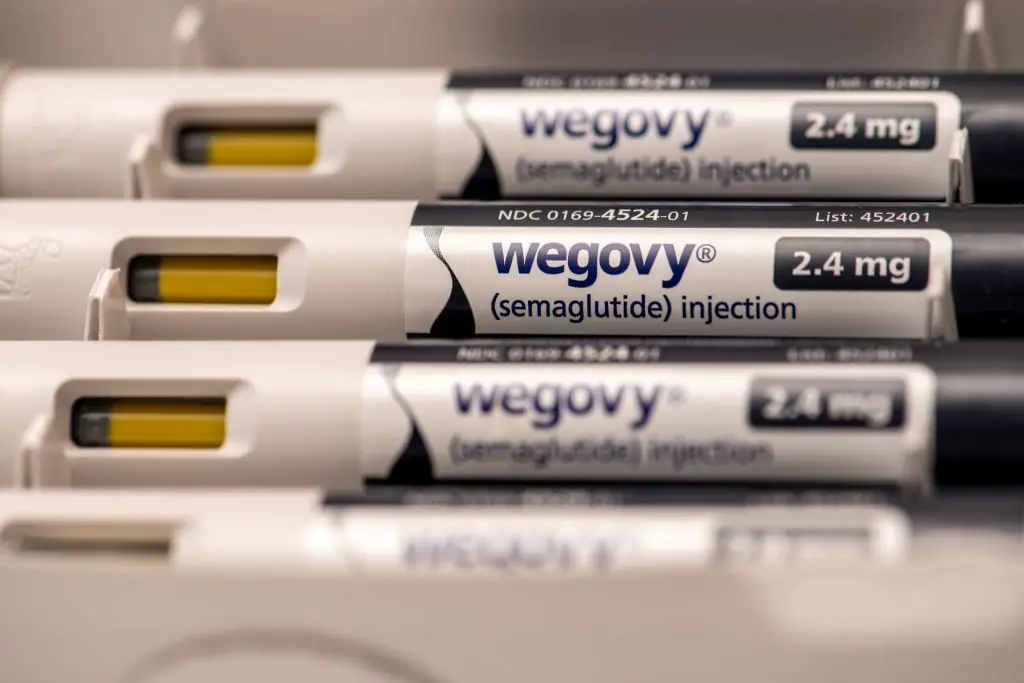
Supporting the findings of the study, a New York-based hormone and weight-loss specialist, Dr. Peter Balazs, MD, told Fox News that the findings did not come as much of a surprise to him because weight loss rarely results in a greater motivation to exercise.
He said: “In fact, being in a calorie deficit can cause the body to conserve energy, resulting in a lower metabolic rate.
“Additionally, side effects of weight-loss medications, such as nausea, fatigue or gastrointestinal discomfort, may further reduce a person’s ability or desire to be physically active.”
Balazs also warned that “exercise plays a critical role during weight loss.
“Without adequate physical activity, a significant portion of weight loss may come from muscle rather than fat.”

Published 12:37 20 Mar 2026 GMT
Being on Ozempic could change a lot of men's sex lives, it's been revealed.
New research has found that GLP-1 medications (such as Ozempic) are having startling effects on both patients' sex and romantic lives.
On average, men are reporting experiencing more benefits than women, with reported increases in both dating confidence and sexual functions.
But is it all as it seems?
According to Everyday Health, taking weight-loss medications such as Ozempic can definitely enact changes to both your sexual performance and your love life.
One positive change could be an increase in your sex drive.
Research into the libido-related effects of GLP-1 medication is sparse, but nurse practitioner Chris Szoke, NP, CDCES says that these medications do have an impact on suppression of your appetite, digestion and changes to hormones such as dopamine, which "reward" the brain.
Szoke says that GLP-1 medications do have an impact on the reward centres of your brain, and thus "It’s not surprising [that GLP-1 medications] might also affect other forms of pleasure, including sex."
But it's unclear if the medications themselves are having a positive impact, or if it's a knock-on effect from Ozempic's ability to help with weight loss.
"It’s very plausible that losing weight with help from a GLP-1 can boost your sex drive," Szoke says.
"Not because of the GLP-1, but simply because of the weight loss, especially the fat around the abdomen."
Another suspected benefit is the impact that taking weight-loss medication can have on your approach to dating.
A survey of 2,000 patients using GLP-1 medications showed that 59% had experienced a change to their dating life; 17 percent bought new clothes due to the weight loss, and a further 14 percent said they'd made more connections on dating apps than they had prior to the weight loss.
Some men and women who take GLP-1 medications such as Ozempic have noticed that taking the weight loss drug has impacted their ability to orgasm.
One medical explanation may be the tightening of the muscles around blood vessels (also known as vasoconstriction) which could restrict the flow of blood and reduce oxygen to a person's genitals, interfering with genital arousal.
Some men have also reported that, when taking such weight loss medications, they've experienced an uptick in premature ejaculation and erectile dysfunction.
Premature ejaculation can be caused in a variety of ways; both physical and mental, so it's not necessarily linked to taking Ozempic.
Published 15:56 01 Jun 2026 GMT
As GLP-1 medications such as Ozempic continue to dominate conversations around weight loss, some people are turning to a much cheaper supplement often dubbed "nature's Ozempic" in the hope of seeing similar results.
Berberine, a plant compound found in species including goldenseal, Oregon grape and barberry, has gained attention online for its potential effects on metabolism, blood sugar and weight management. Many supplements containing berberine can be purchased for less than $20, helping fuel interest among people looking for alternatives to prescription treatments.
Despite the nickname, experts stress that there is currently no conclusive evidence showing berberine works in the same way as GLP-1 medications. Researchers are still studying its effects, and health professionals say much more data is needed before firm conclusions can be drawn.
Unlike GLP-1 drugs, which mimic a hormone involved in appetite regulation and digestion, berberine appears to work by activating an enzyme called AMPK (adenosine monophosphate-activated protein kinase), which plays a key role in metabolism and energy use.
"Activating that enzyme increases fat burning and reduces the amount of fat you store," Dr. Dana Ellis Hunnes says via UCLA Health. "Berberine may also enhance brown adipose tissue, a type of body fat that plays a role in calorie burning."
Some preliminary research suggests berberine may reduce weight, BMI and waist circumference in people who are overweight. In studies where participants saw reductions in BMI and waist size, they took 1 gram of berberine daily for at least eight weeks.
Still, experts caution that the amount of weight people may lose remains unclear and the current evidence is considered inconclusive.
While researchers continue to investigate the supplement, some users online have shared positive experiences.
One Reddit user wrote: “I take it. Lost 20 stubborn lbs in 3 months; I’d been trying (with medical supervision) for YEARS to lose that weight. It’s almost completely eliminated my “black hole” eating, where no amount of food would satisfy me. My blood sugar feels more stable; I don’t get super hungry or shaky very suddenly anymore.”
Another commented: “It helped me lower my A1C after my kid was born, lost 20lbs I didn't need really fast.”
A third said: “Yep, love it. My husband recently also started taking it.”
Personal experiences like these have helped boost berberine's popularity, although experts note that individual results do not replace clinical evidence.
Researchers are also exploring whether berberine could support heart health, blood sugar control and digestive health.
Studies suggest berberine may help lower triglycerides and improve cholesterol levels in some people. Research has also indicated it may improve insulin sensitivity and reduce fasting blood glucose levels. Some studies involving people with Type 2 diabetes have found a glucose-lowering effect without evidence that it increases the risk of hypoglycemia.
"Some research shows that berberine may be as effective as metformin — an oral medication people use to help control blood sugar," Dr. Hunnes says. "With more data, we may be able to say that berberine helps decrease the risk of developing Type 2 diabetes."
Researchers are also investigating its impact on gut health. Some experts believe berberine may help regulate the microbiome, which could influence a range of health conditions.
"The microbiome is connected to everything," Dr. Hunnes says. "Any regulation of the microbiome is going to have a ripple effect."
Even so, experts warn that berberine is not risk-free. Reported side effects include nausea, abdominal pain, bloating, diarrhea and headaches. It may also interact with certain medications, including anti-rejection drugs and diabetes treatments. It is not recommended during pregnancy or breastfeeding because of potential risks to infants.
"There needs to be more gold-standard, randomized, controlled clinical trials to understand the true potential of berberine," says Dana Ellis Hunnes, PhD, MPH, RD, a UCLA Health senior clinical dietitian. "Right now, it's considered a dietary supplement as opposed to a tried-and-true medication."
"There are limitations in the research," Dr. Hunnes says. "There are currently not enough high-quality studies with large sample sizes that reflect the broader population."
Dr. Hunnes recommends speaking with a primary care physician, pharmacist or dietitian before taking berberine.
"I also recommend talking to a dietitian," she adds. "Our area of expertise is helping people find realistic and safe ways to meet their health goals."
Published 15:15 24 Apr 2026 GMT
Scientists say a "natural Ozempic" could offer the same weight-loss benefits as existing drugs, but without the unwanted side effects.
In recent years, millions, including many well-known figures such as Oprah Winfrey and Amy Schumer, have turned to GLP-1 medications to slim down, even as concerns about side effects persist.
A report by RAND discovered that nearly 12 percent of Americans have used these drugs, with about half experiencing nausea and one-third reporting diarrhea.
Now, researchers at Stanford Medicine say they may have found a solution to this problem.
Scientists have identified a tiny molecule called BRP that can suppress your appetite in a similar way to Ozempic, but without affecting the rest of the body as much.
Unlike semaglutide, the main ingredient in Ozempic, which affects several organs, BRP seems to work mainly in the brain’s appetite center.
"The receptors targeted by semaglutide are found in the brain but also in the gut, pancreas, and other tissues," assistant professor of pathology Katrin Svensson, PhD, said, per Science Daily.
"That's why Ozempic has widespread effects, including slowing the movement of food through the digestive tract and lowering blood sugar levels. In contrast, BRP appears to act specifically in the hypothalamus, which controls appetite and metabolism," Svensson added.
By targeting a more focused area, health experts believe BRP could help people eat less and lose weight without feeling nauseous, or having constipation and muscle loss.
Artificial intelligence played a major role in the discovery, helping researchers sort through thousands of possible molecules.
They created a tool to study prohormones, which can be broken down into smaller peptides that affect things like metabolism.
"The algorithm was absolutely key to our findings," Svensson said.
So far, BRP has only been tested in animals, but the results have left researchers impressed.
In both mice and minipigs, a single injection reduced food intake by up to 50 percent within an hour.
In obese mice, daily injections over two weeks led to weight loss driven mainly by fat reduction, while untreated mice gained weight during the same period.
The treated animals also showed improved glucose and insulin responses.
Importantly, researchers observed no major changes in movement, digestion, or behavior, suggesting the treatment may avoid many of the downsides linked to current weight-loss drugs.
Scientists are now working to better understand how BRP interacts with specific receptors in the body and how its effects can be extended for practical use.
"The lack of effective drugs to treat obesity in humans has been a problem for decades," Svensson said. "Nothing we've tested before has compared to semaglutide's ability to decrease appetite and body weight. We are very eager to learn if it is safe and effective in humans."
Published 15:41 05 Mar 2026 GMT
A woman who experimented with micro-dosing Ozempic has opened up about what the trend actually did to her body, and while it helped her lose weight, she says the experience came with serious downsides.
Ozempic is designed to treat Type-2 diabetes, but the drug has become widely known for another effect. Its active ingredient, semaglutide, suppresses appetite and reduces cravings, which has led many people to use it in hopes of losing weight.
Recently, some patients have begun experimenting with a new approach known as micro-dosing. The idea involves stretching out the medication by taking smaller amounts more often or spacing doses further apart.
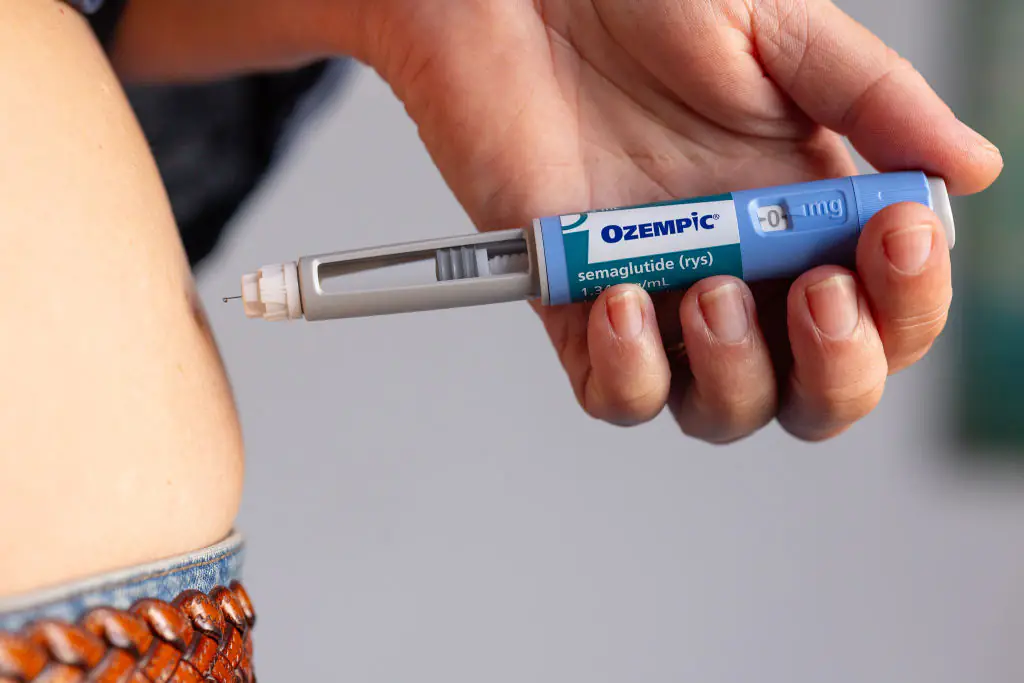
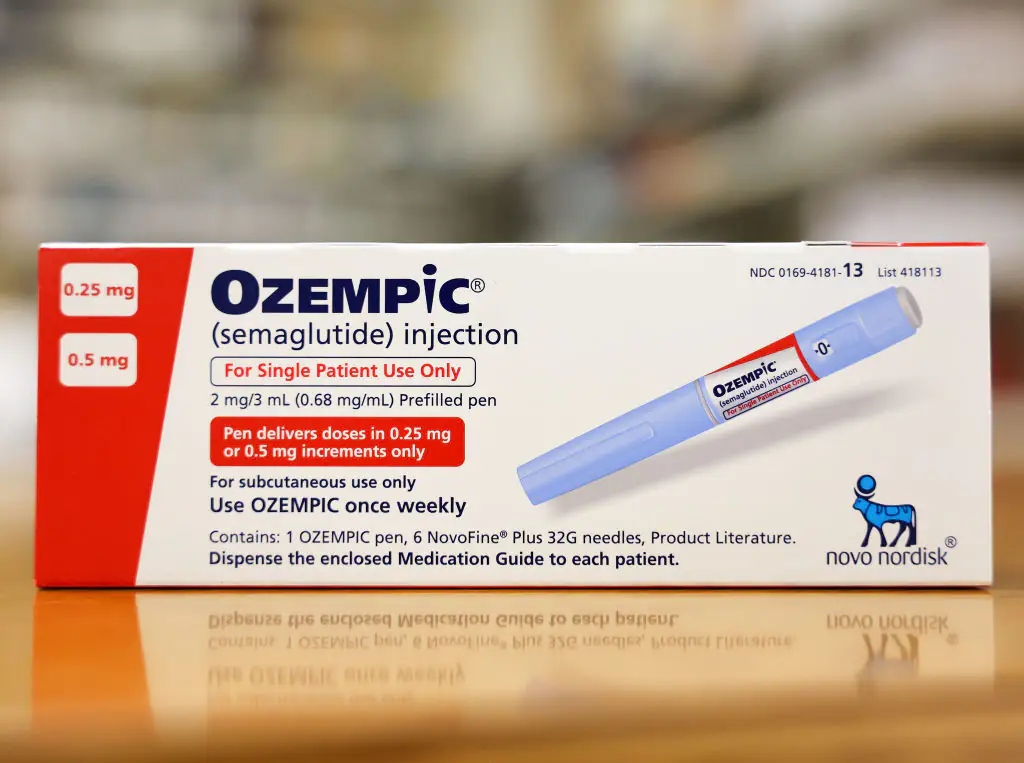
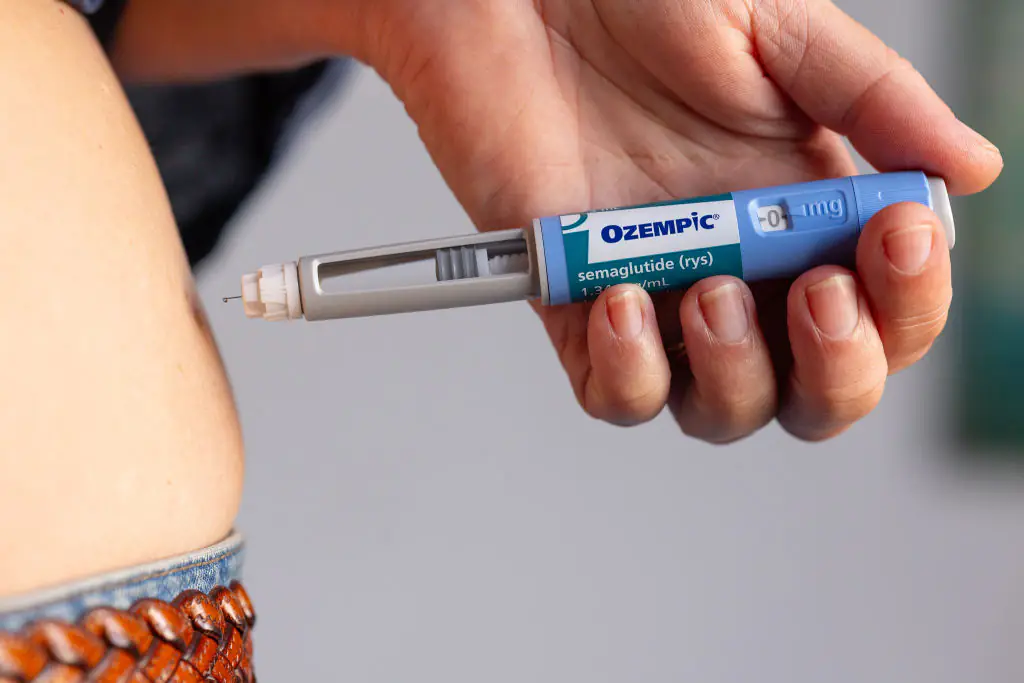
Ozempic typically comes in a pre-filled injector pen that contains four doses. Treatment often starts at 0.25mg and increases gradually up to a maximum of 2mg, with injections usually taken once a week.
But some users have taken to social media to share how they stretch the medication from four doses to five or even six. Supporters claim it allows them to make the drug last longer while still experiencing weight loss.
One advocate of the method is Madison Burgess, who said the approach helped her lose 60lbs over two years.
However, others who tried the same idea have shared very different experiences.
Writing in The Independent, journalist Charlotte Cripps revealed she tried micro-dosing herself. She said she split her 1mg dose into 0.50mg and took the injections every two weeks instead of weekly.
Cripps said the approach helped save money and still seemed to "do the trick" while also helping her avoid some common side effects linked to Ozempic, including nausea and fatigue.
"The idea behind microdosing is that you may be able to get the same benefits with less of the drug. There are no specific studies to compare microdosing regimes with approved dosages, so nobody has a clue about how safe it is," Cripps wrote.
"But take it from me, it’s not. Counting the clicks is no way to live," she continued.
Despite losing up to a fifth of her body weight within a year and restoring her cholesterol levels to normal, Cripps said the experience left her feeling miserable.
She explained that the drug made her worry about nutritional deficiencies and muscle loss.
As a vegetarian, maintaining a high-protein diet proved difficult.
"I ended up eating so much high-protein yoghurt with nuts and blueberries that I couldn’t go on. I lost the will to live. I had no social life."
Cripps said the routine even led her to skip dinners with friends and her children so she could stick to a high-calorie protein drink instead.
According to Medical News Today, it is not currently known whether micro-dosing semaglutide is safe or effective, particularly when Ozempic is prescribed to reduce other health risks, such as cardiovascular problems.
Supporters of the trend argue that smaller doses can help avoid side effects like vomiting, nausea, and constipation.
For Burgess, the symptoms were so severe on a full dose that she struggled to eat until her doctor suggested the micro-dosing method.
"I’m a big advocate now of microdosing," she said. "Going slow and staying low is my motto nowadays, and I think it’s better for long-term results."
As for Cripps, she ultimately decided the approach was not worth continuing. While she said it helped her reset her eating habits and lose weight, she now considers herself "free from the hell of micro-dosing."
Healthcare experts have issued a new warning about the side effects of Ozempic.
The self-injectable weight loss drug, designed to treat type-2 diabetes, has been around in Hollywood for years but has now made it mainstream.
Like all strong medications the GLP-1 drugs come with a number of side effects including nausea, dizziness, gassiness and dehydration among others.
Experts have now revealed another, more aesthetic side effect, 'Ozempic hands'.
According to the experts: “Ozempic hands is the visible thinning of fingers that can occur during rapid weight loss.”
Pharmacist and nutritional therapist Deborah Grayson told MailOnline: “As with weight loss in general, fat loss doesn't happen evenly across the body.
“The hands, which naturally have very little fat to begin with, can appear bonier or slimmer as a result,” she added.
The therapist also noted that it’s not a direct side effect of Ozempic but rather a ‘visual consequence of rapid fat loss’.
Although experts reassure that Ozempic hands are nothing to worry about, thin skin on the hands is a visible sign of aging, which may be a scare for some people.
The medications contain semaglutide or tirzepatide to mimic the GLP-1 and GIP hormones naturally produced after eating a meal.
They help people lose weight by making them feel full and therefore have less desire to eat.
The news of Ozempic hands comes as a simulation posted by Zack D. Films on YouTube showed the reality of losing a large amount of weight in a short amount of time.
The video explains that once the drug enters your bloodstream, it stabilizes your blood sugar and consequently reduces your appetite.
“Then it slows down how fast your stomach empties food, which keeps you feeling full for longer after a meal,” the narration explains.
The animated video then warns “ it can make some people feel sick and even give them diarrhoea," with a rather gross graphic to go with it.
In the last scene, it shows a graphic visualisation of the Ozempic user soiling themselves.
A spokesperson from a company making the weight-loss drug, Novo Nordisk, told LADbible: "Patient safety is of the utmost importance, and we recommend patients take these medications for their approved indications and under the supervision of a healthcare professional.”