ADVERT
Health2 min(s) read
Published 15:04 29 Jun 2026 GMT
A new study has analyzed data from thousands of people using weight loss injections to determine which of the available treatments is most effective for losing weight.
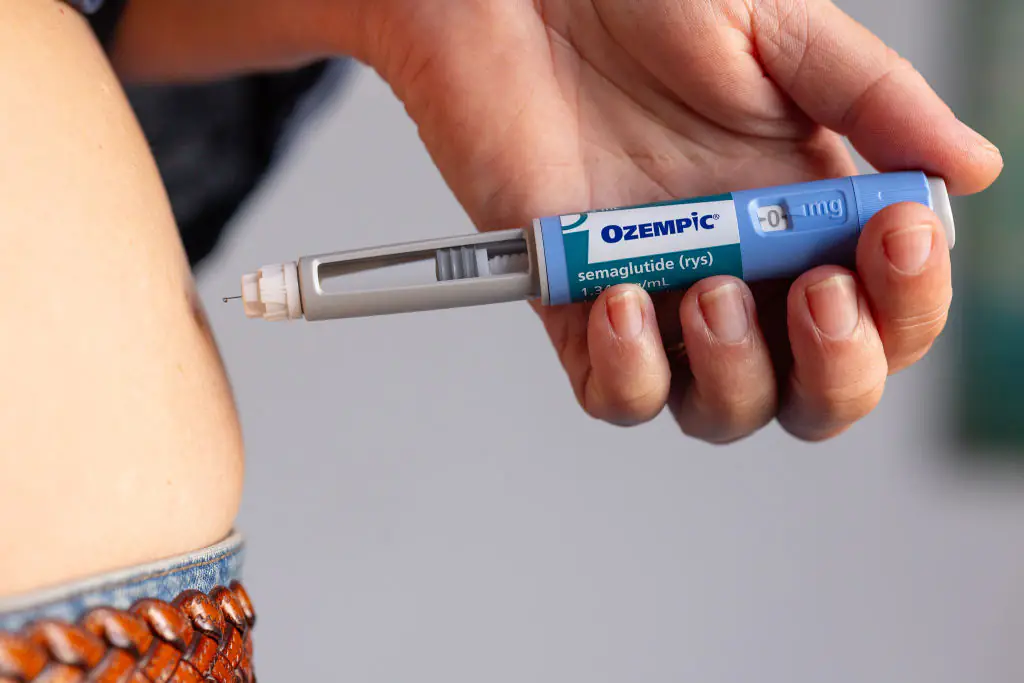
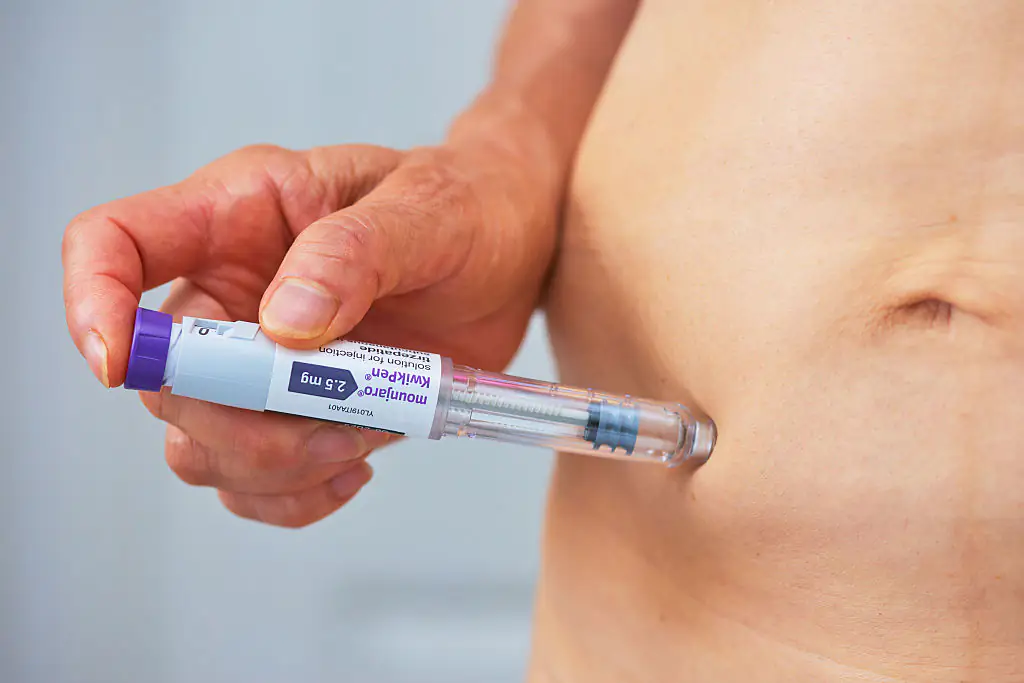
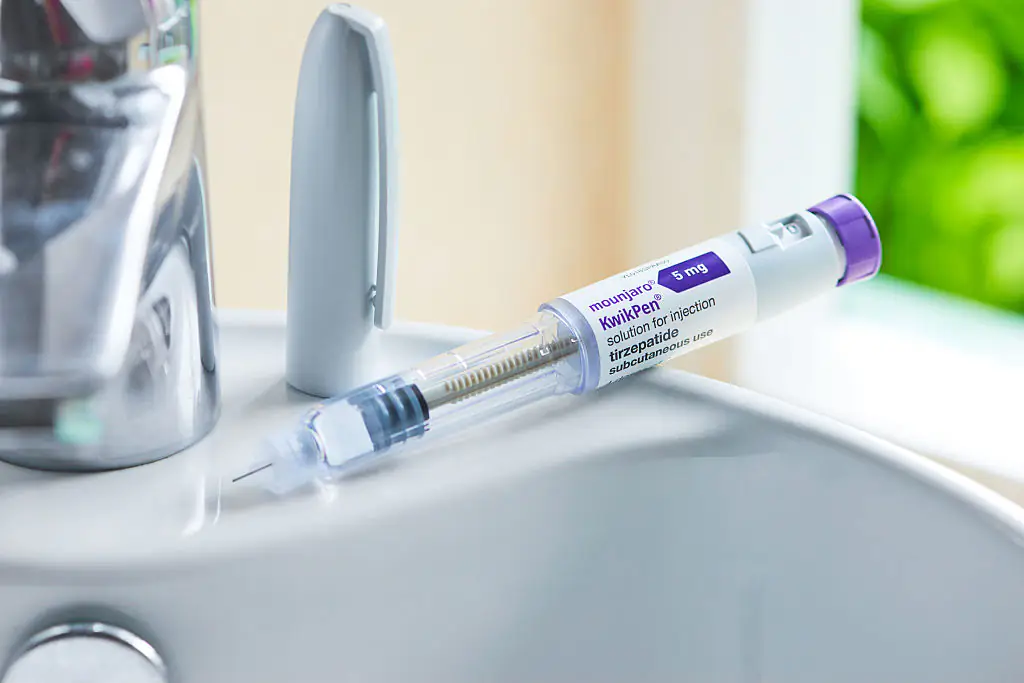
Following the introduction of peptides, weight loss drugs that are marketed under the brand names Ozempic, Mounjaro, Saxenda, and Wegovy, many users have reported significant results.
While the medications all function in a similar way, mimicking the GLP-1 hormone, which signals to the brain that the body is full and reduces appetite, some come with unwanted side effects.
Although this often leads to noticeable weight loss, some people regain weight after stopping treatment.
Researchers from the University of Georgia reviewed 15 separate studies involving more than 14,000 non-diabetic participants who used different weight loss injections to compare their effectiveness.
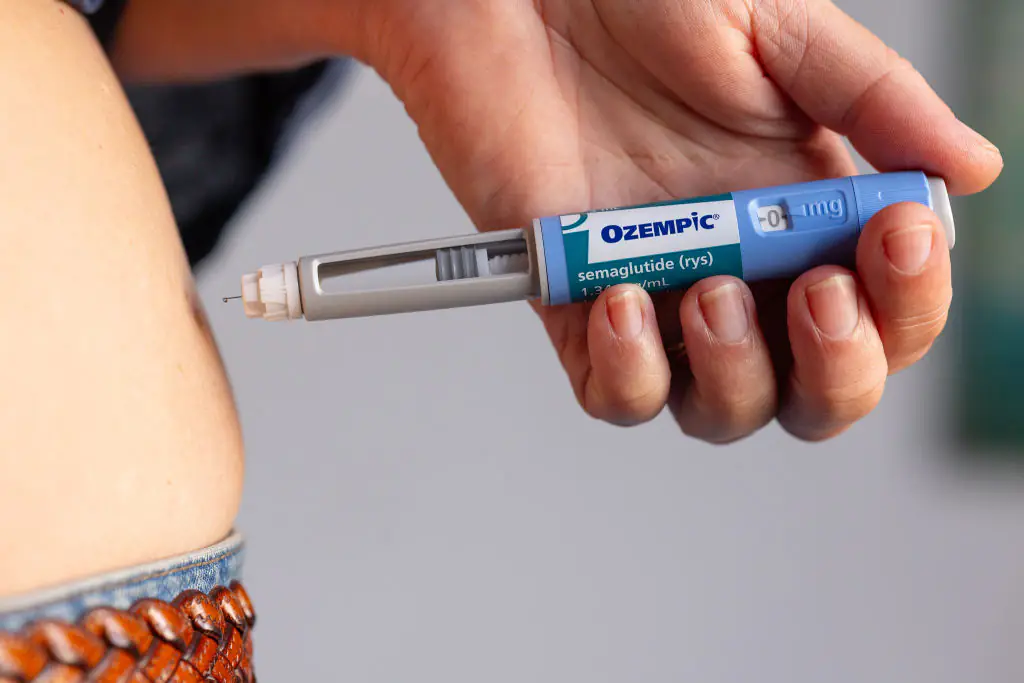
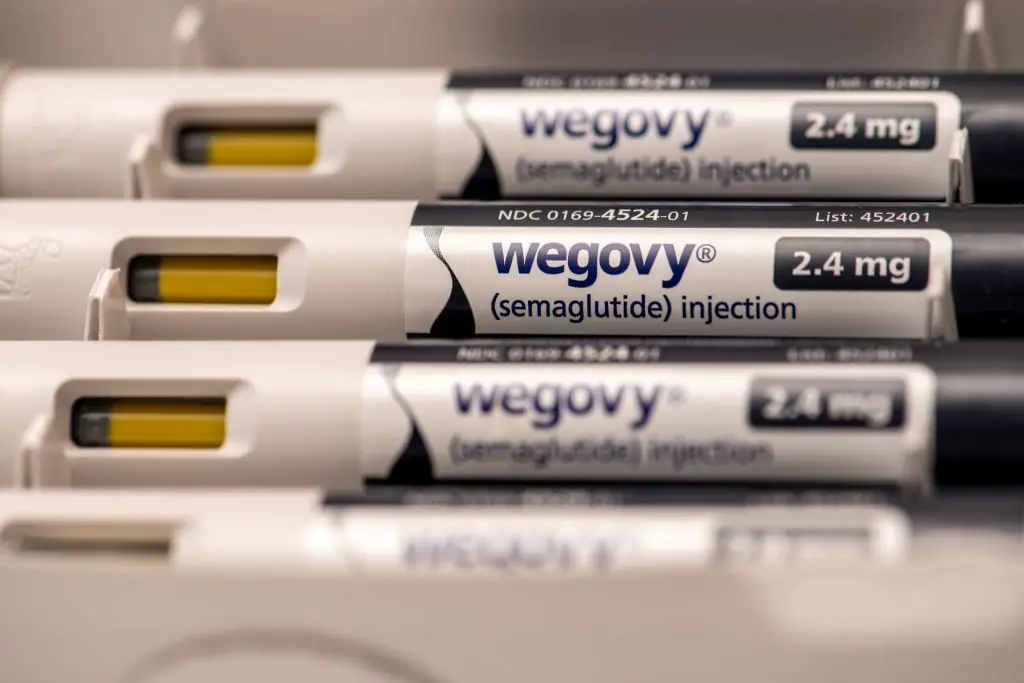
Among the three main options, each uses a different active ingredient: Wegovy contains semaglutide, Mounjaro uses tirzepatide, and Saxenda is based on liraglutide. (Ozempic also uses semaglutide but is primarily prescribed for diabetes rather than weight loss.)
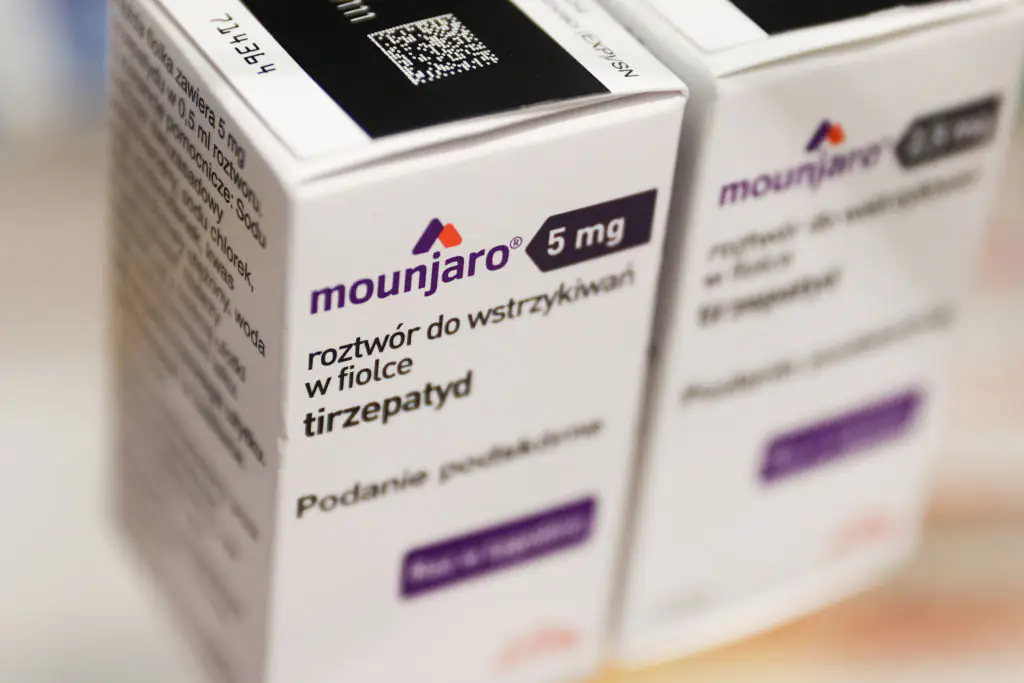
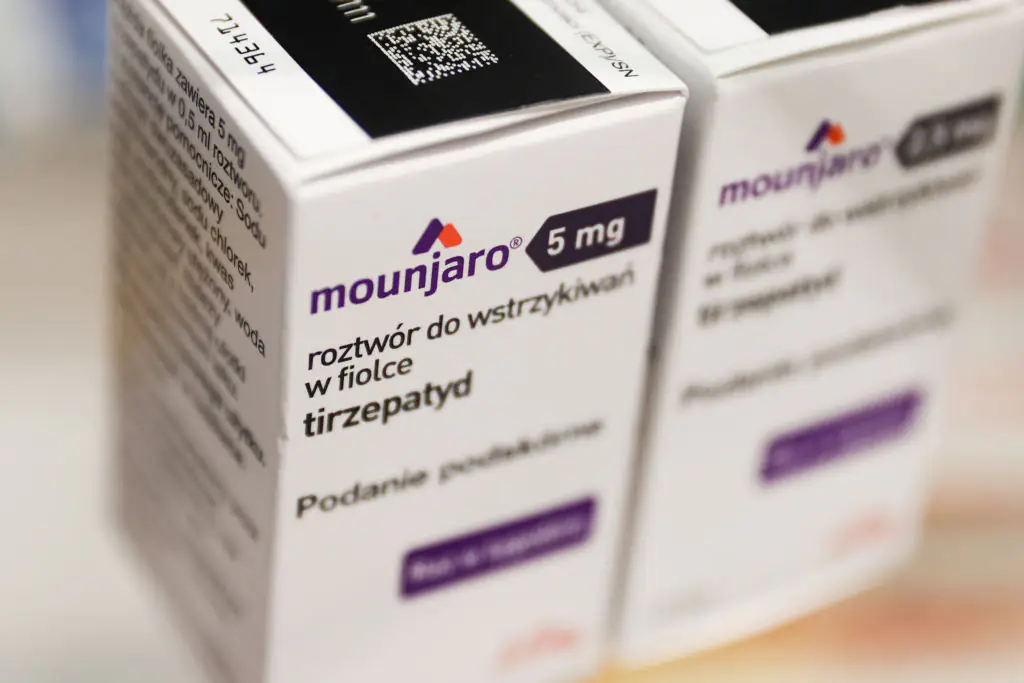
The findings showed that Mounjaro, which is based on tirzepatide, produced the strongest results overall. On average, participants lost around 20 percent of their body weight.
Wegovy ranked second, with users losing roughly 15 percent of their body weight, while Saxenda came third, with an average loss of about eight percent.
Unlike the others, Saxenda requires daily injections, whereas Mounjaro and Wegovy are typically taken weekly.
However, the study also found that Mounjaro had a slightly higher chance of causing side effects, including nausea and vomiting, although it still delivered the most significant weight loss outcomes. Doses between 10 and 15 milligrams per week were identified as the most effective.
One key difference is that while Wegovy and Saxenda only mimic the GLP-1 hormone, Mounjaro also targets another hormone known as GIP, which may help explain its stronger results.
Doctoral student Pooja Gokhale, who authored the review, said: “We were interested in finding which drug gives the most weight loss and doesn’t have higher rates of side effects like nausea and gastrointestinal problems. Tirzepatide seems to be the better option.”
A spokesperson for Novo Nordisk, which manufactures Wegovy and Saxenda, emphasized that treatment decisions should be made carefully.
“Obesity is a complex disease that is often misunderstood, underdiagnosed and undertreated. It requires long-term management and is influenced by a number of different factors including physiological, psychological, environmental, socio-economics and genetic factors.
“Treatment decisions should be made together with a healthcare provider who can evaluate the appropriateness of using specific medicines based on assessment of a patient’s individual medical profile.”
health2 min(s) read
Published 16:35 16 Mar 2026 GMT
Experts have raised an urgent alert about a potential side effect linked to widely used drugs like Ozempic and Mounjaro.
The drug that has been credited with transforming the world of weight loss by nullifying the cravings of those looking to shed the pounds, was originally introduced as a treatment for type 2 diabetes to help reduce and regulate blood sugar levels.
While semaglutide, which comes under the brand name Ozempic, is yet to receive FDA approval for treatment-targeted weight loss, its competitor, Mounjaro, has been in receipt of formal FDA-verification as a treatment for obesity and weight loss, as well as for its initial purpose.
However, in a recent development, scientists have cited a potential increase in risk of certain kinds of vision loss in people with type 2 diabetes.
Researchers at the University of Toronto have now found that GLP‑1 drugs, a class that includes both Ozempic and Mounjaro, are associated with a considerably higher risk of developing neovascular age‑related macular degeneration (AMD), a serious eye condition.
Their study suggests that people with type 2 diabetes prescribed these drugs were more than twice as likely to develop vision problems compared with those taking the same medications who did not have diabetes.
Neovascular AMD, often simply called AMD, is described by the NHS as “a common condition that affects the middle part of your vision,” and Healthline notes that it is a leading cause of irreversible vision loss in people over 50 in the United States.
Commenting on the findings, co‑author Andrew Mihalache, MD(C), said: “The dose-response effect we observed — where longer GLP-1 receptor agonist exposure was associated with higher risk — strengthens the argument that this association may reflect a true biological effect rather than being due to confounding factors.”
Fellow author Reut Shor, MD, added: “This was definitely surprising, especially given the growing enthusiasm for GLP-1 receptor agonists for their cardiovascular and metabolic benefits. It really highlights the need for further investigation into their ocular safety profile.”
Despite these concerns, the overall risk of vision loss from taking GLP‑1 drugs such as Ozempic and Mounjaro remains very low: with the study estimating the risk of developing AMD at about 0.2 percent among the respective treatments' users.
If you are thinking about starting a GLP‑1 medication, it is essential to speak with a healthcare professional to discuss whether this treatment is suitable and safe for you.
health3 min(s) read
Published 13:08 19 Jun 2025 GMT
innovation3 min(s) read
Published 16:09 23 Jun 2026 GMT
A recent study has shown that many people taking GLP-1 medications to lose weight are not taking them correctly, and it could be detrimental to achieving results.
According to the new research by the Endocrine Society, people with obesity who lost weight using drugs such as Ozempic or Wegovy “significantly reduced” their physical activity.
Failing to exercise while using the GLP-1s could be harmful, as drugs such as semaglutide, liraglutide, dulaglutide, and tirzepatide reduce both fat and lean muscle mass.
Study lead Sajana Maharjan, MD, of HSHS St. John’s Hospital in Springfield, Illinois, said keeping active and building muscle is “essential for preserving strength and long-term health.”
By comparing activity in study participants before and after beginning treatment, researchers found that the average number of steps decreased from 5,047 to 4,487 per day, while moderate physical activity fell from 28 to 22 minutes per day.
Although the cohort was mostly female, with an average age of 52.7 years, the largest declines were observed in men and in those with joint or muscle pain
The data was recorded from 753 people with obesity who began taking a GLP-1 medication during the trial.
Despite the common belief that losing weight, medically aided or not, would encourage people to increase their physical activity, the study seems to have proved the opposite.
Maharjan addressed the importance of people taking GLP-1s to continue or increase the amount they exercise, saying: “The findings in our study reinforce that exercise cannot be optional for people taking these medications.
“People need targeted interventions that encourage physical activity alongside medication for obesity.”
Supporting the findings of the study, a New York-based hormone and weight-loss specialist, Dr. Peter Balazs, MD, told Fox News that the findings did not come as much of a surprise to him because weight loss rarely results in a greater motivation to exercise.
He said: “In fact, being in a calorie deficit can cause the body to conserve energy, resulting in a lower metabolic rate.
“Additionally, side effects of weight-loss medications, such as nausea, fatigue or gastrointestinal discomfort, may further reduce a person’s ability or desire to be physically active.”
Balazs also warned that “exercise plays a critical role during weight loss.
“Without adequate physical activity, a significant portion of weight loss may come from muscle rather than fat.”
health3 min(s) read
Published 15:15 24 Apr 2026 GMT
Scientists say a "natural Ozempic" could offer the same weight-loss benefits as existing drugs, but without the unwanted side effects.
In recent years, millions, including many well-known figures such as Oprah Winfrey and Amy Schumer, have turned to GLP-1 medications to slim down, even as concerns about side effects persist.
A report by RAND discovered that nearly 12 percent of Americans have used these drugs, with about half experiencing nausea and one-third reporting diarrhea.
Now, researchers at Stanford Medicine say they may have found a solution to this problem.
Scientists have identified a tiny molecule called BRP that can suppress your appetite in a similar way to Ozempic, but without affecting the rest of the body as much.
Unlike semaglutide, the main ingredient in Ozempic, which affects several organs, BRP seems to work mainly in the brain’s appetite center.
"The receptors targeted by semaglutide are found in the brain but also in the gut, pancreas, and other tissues," assistant professor of pathology Katrin Svensson, PhD, said, per Science Daily.
"That's why Ozempic has widespread effects, including slowing the movement of food through the digestive tract and lowering blood sugar levels. In contrast, BRP appears to act specifically in the hypothalamus, which controls appetite and metabolism," Svensson added.
By targeting a more focused area, health experts believe BRP could help people eat less and lose weight without feeling nauseous, or having constipation and muscle loss.
Artificial intelligence played a major role in the discovery, helping researchers sort through thousands of possible molecules.
They created a tool to study prohormones, which can be broken down into smaller peptides that affect things like metabolism.
"The algorithm was absolutely key to our findings," Svensson said.
So far, BRP has only been tested in animals, but the results have left researchers impressed.
In both mice and minipigs, a single injection reduced food intake by up to 50 percent within an hour.
In obese mice, daily injections over two weeks led to weight loss driven mainly by fat reduction, while untreated mice gained weight during the same period.
The treated animals also showed improved glucose and insulin responses.
Importantly, researchers observed no major changes in movement, digestion, or behavior, suggesting the treatment may avoid many of the downsides linked to current weight-loss drugs.
Scientists are now working to better understand how BRP interacts with specific receptors in the body and how its effects can be extended for practical use.
"The lack of effective drugs to treat obesity in humans has been a problem for decades," Svensson said. "Nothing we've tested before has compared to semaglutide's ability to decrease appetite and body weight. We are very eager to learn if it is safe and effective in humans."
health4 min(s) read
Published 11:24 14 Jul 2025 GMT
An expert has revealed a very uncomfortable side effect people using Mounjaro or other similar weight loss injections could face.
GLP-1 drugs such a Mounjaro, Ozempic, and Wegovy, have exploded in use in recent months after initially being created to help people with diabetes control their blood sugar levels.
The weekly glucagon-like peptide-1 receptor agonist (GLP-1) injections can also help with weight loss, by helping people feel fuller by mimicking a natural hormone released after eating.
However, they're not a quick fix and should only be used when medically indicated - and can come with a host of side-effects, too.
A nurse called Charlene has revealed one such unpleasant side-effect people should be aware of.
She warned that people often experience sulfur burps - which are just as gross as they sound.
Charlene explained: "Basically, with a GLP-1 medication, it slows your digestion. So when your digestion is slowed, food that you consumed is sitting in your stomach for a bit longer, and sometimes that can produce gases, and they have to come up.
"So you end up burping gases from old food and it can be quite nasty and smell quite eggy, not very nice."
She recommended carrying some heartburn medication and some strong mints, as she revealed from personal experience that the sulfur burps tend to last "a day or two" after her injection.
Charlene also recommended finding out which foods trigger your sulfur burps, as heavier foods can seemingly worsen her symptoms, and eating more slowly and chewing your food thoroughly can also help prevent them.
Sitting upright for "at least half an hour to an hour" after eating, staying well hydrated, and going for a walk can also help food move through the digestive tract more efficiently.
However, sulfur burps aren't the only side-effect of weight-loss medication, as some people have been complaining of "Ozempic butt".
The rapid weight loss caused by the medication is transforming butts, faces, and even boobs in unexpected (and unwanted) ways.
Jess Loren, 39, shared her experience with the New York Post after dropping over 75lb with Ozempic: “My dad said, ‘You don’t have a butt anymore.’ I try on bathing suits and I’ve got 'ghost a**,' or what people online call 'Ozempic butt.'”
It’s not an officially listed side-effect, but rapid weight loss can cause skin in once-plump areas to sag. And butts aren’t the only victims.
People have also complained of ‘Ozempic face,’ where cheeks hollow out and eyes look sunken, meaning people can sometimes look gaunt and older than they actually are.
Dr. Iman Saleh, Director of Obesity Medicine at South Shore University Hospital, explained to PEOPLE: “The faces are saggy, they lose their fat content in their face, there are increased wrinkles.
"Some people look a little bit more aged. People have noticed that there's more hollowing around their eyes because of the loss of the texture or the fat content that is in the face.”
In order to counteract the effects, Salah recommends: “Increase of protein in their diet is very important. Increase of exercise, resistance bands. In terms of the buttocks, [do] more squats, more to increase muscle to compensate really for the fat loss.”
In case you need a more visual idea of what Ozempic does, then Zack D. Films is the man for you.
As he put it in his now-viral simulation: “Once Ozempic is in your bloodstream, it activates the parts of the brain that make you feel full, reducing your appetite. It also stabilises your blood sugar, stopping sudden cravings.
"Then it slows down how fast your stomach empties food, which keeps you feeling full for longer after a meal. This causes you to lose weight as you eat less. But it can make some people feel sick and even give them diarrhoea.”