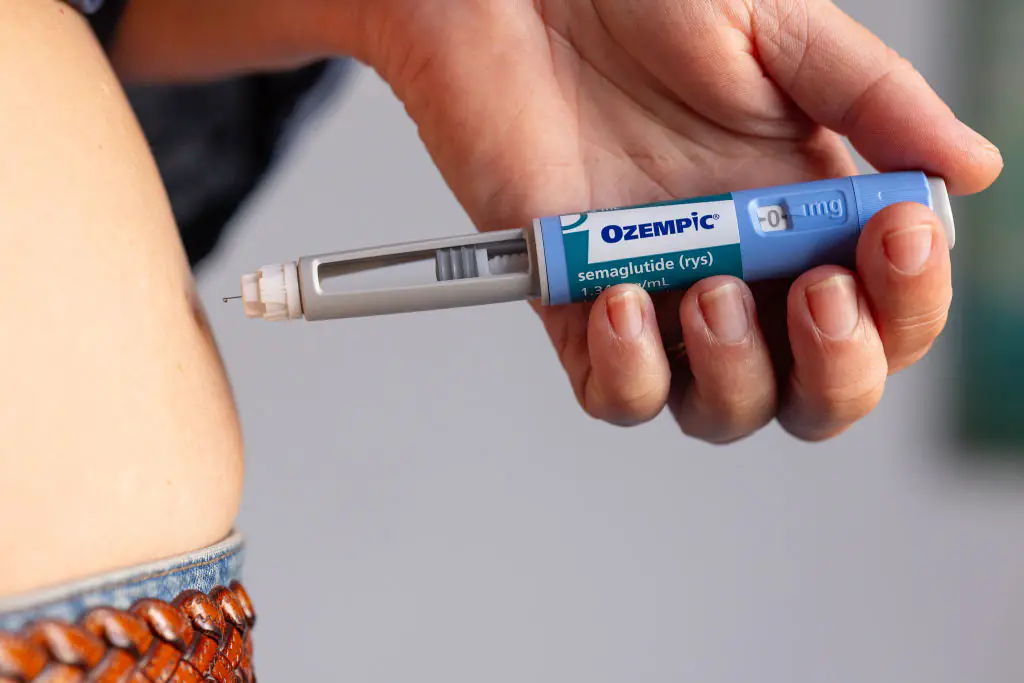
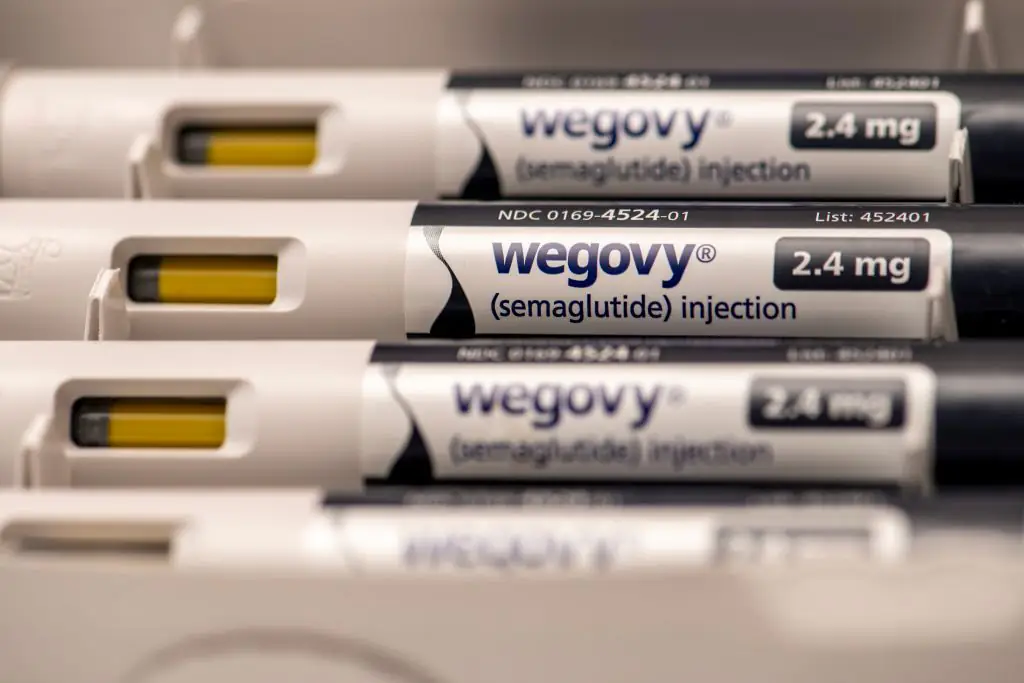
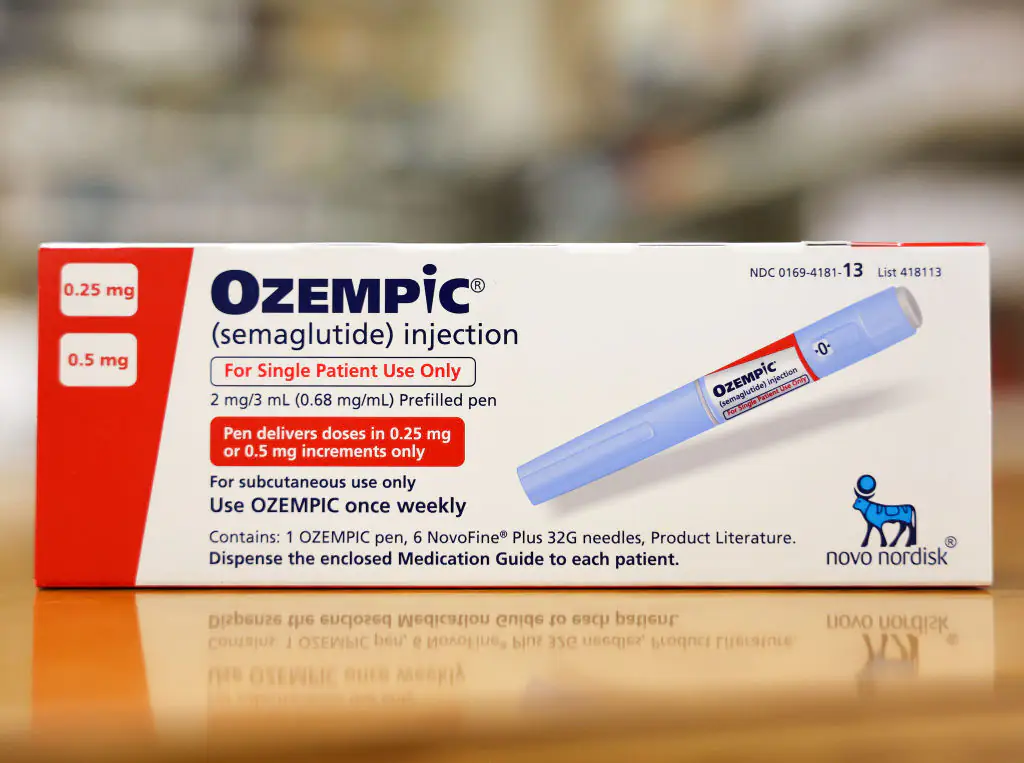
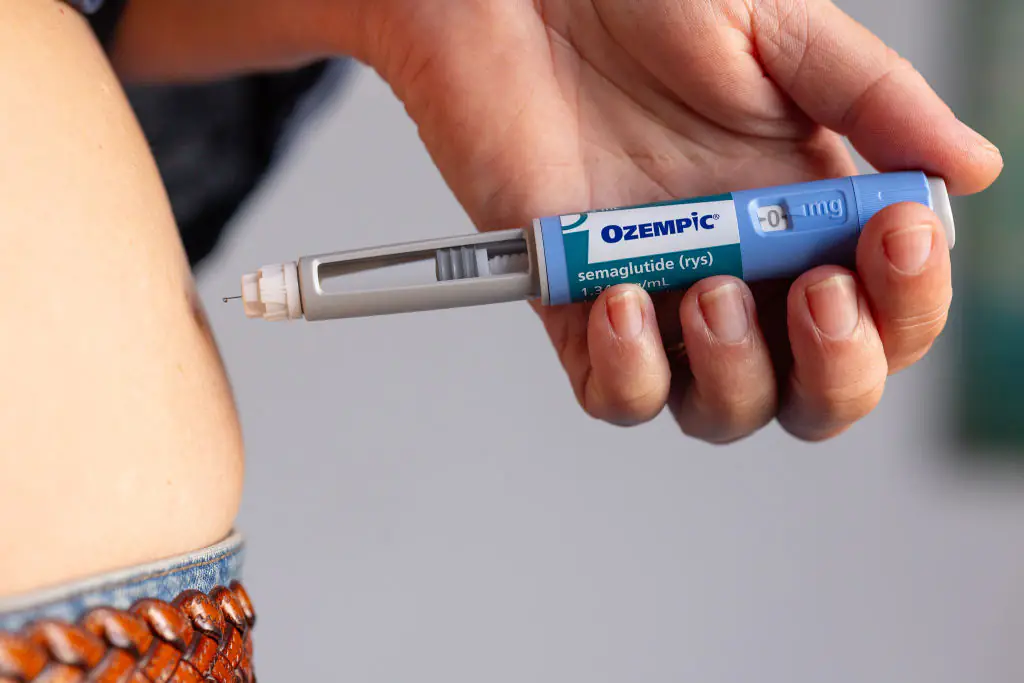
Being on Ozempic could change a lot of men's sex lives, it's been revealed.
New research has found that GLP-1 medications (such as Ozempic) are having startling effects on both patients' sex and romantic lives.
On average, men are reporting experiencing more benefits than women, with reported increases in both dating confidence and sexual functions.
But is it all as it seems?
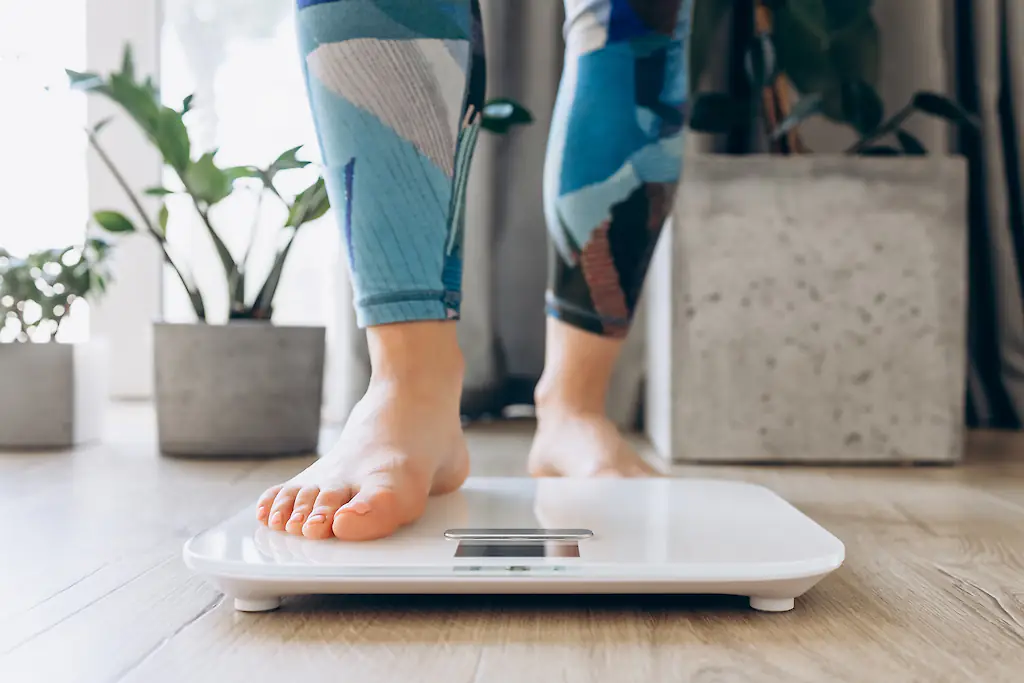
Weight loss drugs could have a profound impact on your dating life (Photo by
Katerina Holmes on
Pexels)
What are the reported benefits of 'Ozempic sex' in men?
According to Everyday Health, taking weight-loss medications such as Ozempic can definitely enact changes to both your sexual performance and your love life.
One positive change could be an increase in your sex drive.
Research into the libido-related effects of GLP-1 medication is sparse, but nurse practitioner Chris Szoke, NP, CDCES says that these medications do have an impact on suppression of your appetite, digestion and changes to hormones such as dopamine, which "reward" the brain.
Szoke says that GLP-1 medications do have an impact on the reward centres of your brain, and thus "It’s not surprising [that GLP-1 medications] might also affect other forms of pleasure, including sex."
But it's unclear if the medications themselves are having a positive impact, or if it's a knock-on effect from Ozempic's ability to help with weight loss.
"It’s very plausible that losing weight with help from a GLP-1 can boost your sex drive," Szoke says.
"Not because of the GLP-1, but simply because of the weight loss, especially the fat around the abdomen."
Another suspected benefit is the impact that taking weight-loss medication can have on your approach to dating.
A survey of 2,000 patients using GLP-1 medications showed that 59% had experienced a change to their dating life; 17 percent bought new clothes due to the weight loss, and a further 14 percent said they'd made more connections on dating apps than they had prior to the weight loss.
Are there any negative impacts Ozempic can have on your sex life?
Some men and women who take GLP-1 medications such as Ozempic have noticed that taking the weight loss drug has impacted their ability to orgasm.
One medical explanation may be the tightening of the muscles around blood vessels (also known as vasoconstriction) which could restrict the flow of blood and reduce oxygen to a person's genitals, interfering with genital arousal.
Some men have also reported that, when taking such weight loss medications, they've experienced an uptick in premature ejaculation and erectile dysfunction.
Premature ejaculation can be caused in a variety of ways; both physical and mental, so it's not necessarily linked to taking Ozempic.
Featured Image: Peter Dazeley/Contributor/Getty Images
A man has opened up about experiencing "Ozempic penis" after taking a weight-loss drug.
James, a 55-year-old semi-professional sportsman, couldn't believe the transformation he'd undergone after starting his weight loss journey with the drug Wegovy.
Though he had already been exercising regularly and eating reasonably well, it wasn’t until he added the medication to his routine that he noticed dramatic changes in his body.
While his muscle tone improved and he lost a considerable amount of weight, it was an unexpected side effect that really caught his attention - his manhood appeared bigger.
A man said his manhood got bigger after taking a weight-loss medication. Credit: UCG / Getty
James is one of many men who have reported what’s now being called the “Ozempic penis,” a phenomenon shared widely on Reddit’s r/Ozempic, where users speak about their penises looking larger after taking weight-loss drugs like semaglutide (Ozempic, Wegovy) and similar GLP-1 medications.
According to Metro, the sportsman said it was more than just a fleeting observation. "If anything, my penis looks bigger, because you lose body fat around it and your overall mass gets smaller," he said. "It’s like when you shave your bush and it makes it look bigger."
Is "Ozempic Penis" Real?
While this may sound like internet lore, increasing numbers of men are chiming in with similar stories.
One Reddit user shared that he gained about an inch in penis length after losing weight on semaglutide, with others sharing similar experiences.
“Yeah, wife has definitely noticed a difference,” said another user, who dropped from 278 pounds to under 200. A third added: “Yep, I noticed that happen to me as well.”
James, who is single and self-described as “blessed” never to have been married, is one of those men who saw his confidence soar as a result of his weight loss. “I look in the mirror and think, ‘F*** me, I look good,’” he said.
While some people report a decreased sex drive due to GLP-1 medications, James found the opposite to be true.
“It’s made me enjoy sex more because I’m not as self-conscious of my body and I’ve got more energy,” he adds.
One man claimed his penis got bigger. Credit: Cultura Creative / Getty
Though James wasn’t initially seeking out a miracle, he felt desperate after struggling with his weight and seeing it affect his health.
He turned to Wegovy after doing research and hearing about its success with celebrities like Sharon Osbourne, and the medication immediately helped him make healthier choices. "I think it’s a miracle drug, to be honest," he said.
In just six months, he lost 20% of his body weight and found improvements in his blood pressure, visceral fat, and even his sleep patterns.
James said his sex life improved. Credit: Flashpop / Getty
Side Effects: More Than Just a Bigger Penis
James's transformation, which cost him between $216 and $351 a month for Wegovy, hasn’t been entirely without challenges.
He’s had to replace his entire wardrobe and finds himself feeling colder than usual due to his reduced body fat.
The weight loss also gave him a more sallow appearance, which he addressed with fillers to combat the so-called "Ozempic face."
James is now considering stopping Wegovy after hitting a plateau, but is unsure what the future holds without it.
"I don’t want to be on it for the rest of my life," he admits, "but it was almost impossible for me to lose the weight I wanted to lose without it."
For men experiencing similar effects, Dr. Stanton Honig, Chief of Reproductive and Sexual Medicine at Yale School of Medicine, said that while fat loss is a major factor, the cardiovascular benefits of these medications could also be influencing erectile function.
He recommends that men consult a doctor if they have concerns, especially if any changes in their sexual health feel unexplained or troubling.
A recent study has shown that many people taking GLP-1 medications to lose weight are not taking them correctly, and it could be detrimental to achieving results.
According to the new research by the Endocrine Society, people with obesity who lost weight using drugs such as Ozempic or Wegovy “significantly reduced” their physical activity.
Failing to exercise while using the GLP-1s could be harmful, as drugs such as semaglutide, liraglutide, dulaglutide, and tirzepatide reduce both fat and lean muscle mass.
Study lead Sajana Maharjan, MD, of HSHS St. John’s Hospital in Springfield, Illinois, said keeping active and building muscle is “essential for preserving strength and long-term health.”
Ozempic has revolutionised obesity treatment. Credit: Steve Christo - Corbis / Getty
The study found that men were less active than women while losing weight
By comparing activity in study participants before and after beginning treatment, researchers found that the average number of steps decreased from 5,047 to 4,487 per day, while moderate physical activity fell from 28 to 22 minutes per day.
Although the cohort was mostly female, with an average age of 52.7 years, the largest declines were observed in men and in those with joint or muscle pain
The data was recorded from 753 people with obesity who began taking a GLP-1 medication during the trial.
Despite the common belief that losing weight, medically aided or not, would encourage people to increase their physical activity, the study seems to have proved the opposite.
Maharjan addressed the importance of people taking GLP-1s to continue or increase the amount they exercise, saying: “The findings in our study reinforce that exercise cannot be optional for people taking these medications.
“People need targeted interventions that encourage physical activity alongside medication for obesity.”
Weight-loss medication can actually deter people from exercise. Credit: UCG / Getty
Why is exercising important if the weight is coming off without it?
Supporting the findings of the study, a New York-based hormone and weight-loss specialist, Dr. Peter Balazs, MD, told Fox News that the findings did not come as much of a surprise to him because weight loss rarely results in a greater motivation to exercise.
He said: “In fact, being in a calorie deficit can cause the body to conserve energy, resulting in a lower metabolic rate.
“Additionally, side effects of weight-loss medications, such as nausea, fatigue or gastrointestinal discomfort, may further reduce a person’s ability or desire to be physically active.”
Balazs also warned that “exercise plays a critical role during weight loss.
“Without adequate physical activity, a significant portion of weight loss may come from muscle rather than fat.”
Featured image credit: Steve Christo - Corbis / Getty
Ozempic and other GLP-1 medications have boomed in recent years after it was discovered that they can aid weight loss as well as helping control blood sugar.
While they were first developed to treat type-2 diabetes, their weight-loss benefits have meant that they are increasingly used for this purpose instead.
Though some people see it as a holy grail to being able to shift pounds that were seemingly impossible to budge before, the medication isn't without its side effects.
A simulation video made by Zack D Film has shown the horrific side-effects some people can experience when taking GLP-1s.
Ozempic can cause several side-effects. Credit: Mario Tama/Getty Images
In the clip, he first explained how the drugs work: "Once Ozempic is in your bloodstream, it activates the parts of the brain that make you feel full, reducing your appetite.
"It also stabilizes your blood sugar, stopping sudden cravings. Then it slows down how fast your stomach empties food, which keeps you feeling full for longer after a meal. This causes you to lose weight as you eat less."
He revealed some of the side effects that many people experience, adding: "But it can make some people feel sick and even give them diarrhea."
According to WebMD, there are other common potential side-effects people can experience, including nausea, vomiting, diarrhea, stomach pain, and constipation.
Some users can also experience pancreatitis, an inflammation of the pancreas which causes vomiting or severe pain in the upper part of your belly that travels to your back.
Other less common side-effect include issues with the gallbladder, low blood sugar, severe stomach pains, vision changes, and there is even the potential for thyroid tumors.
It goes without saying that using Ozempic and other GLP-1s should never be as a quick fix to lose a few pounds, unless you have been prescribed it by a doctor.
It is primarily used to treat type 2 diabetes and to lower the risk of a heart attack, stroke, or death in people who also have heart disease, as well as to help lower blood sugar levels in people with type 2 diabetes.
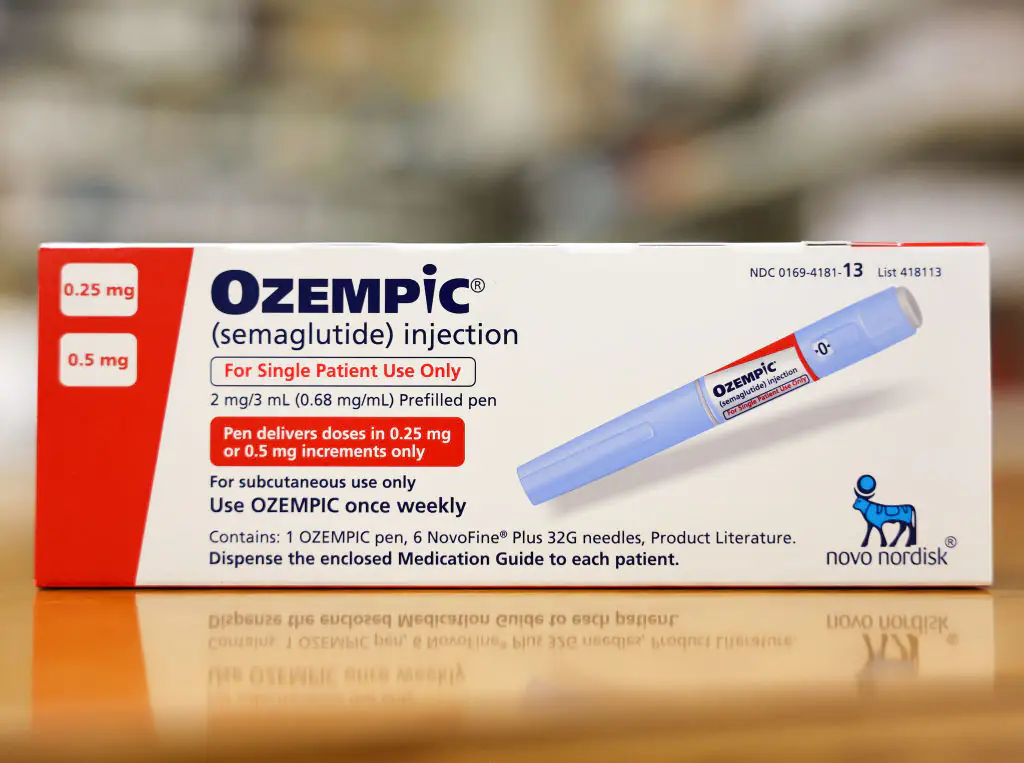
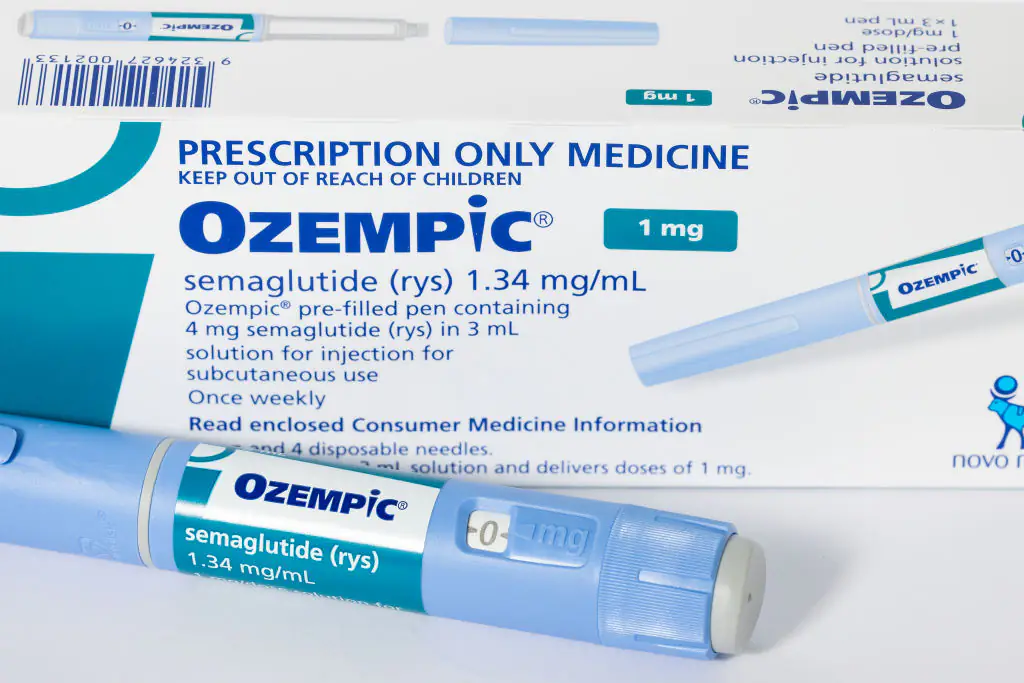
Ozempic and other GLP-1s are usually administered by injection once a week, with the dose being gradually increased over time.
As well as the immediate physical side-effects, some users are noting longer-term changes such as Ozempic face and Ozempic butt - where the skin or the buttocks appear to sag due to the rapid loss of fat from beneath.
Scientists say a "natural Ozempic" could offer the same weight-loss benefits as existing drugs, but without the unwanted side effects.
In recent years, millions, including many well-known figures such as Oprah Winfrey and Amy Schumer, have turned to GLP-1 medications to slim down, even as concerns about side effects persist.
A report by RAND discovered that nearly 12 percent of Americans have used these drugs, with about half experiencing nausea and one-third reporting diarrhea.
Scientists have found a new molecule that may be just as effective as Ozempic. Credit: Steve Christo - Corbis / Getty
'Natural Ozempic' Explained
Scientists have identified a tiny molecule called BRP that can suppress your appetite in a similar way to Ozempic, but without affecting the rest of the body as much.
Unlike semaglutide, the main ingredient in Ozempic, which affects several organs, BRP seems to work mainly in the brain’s appetite center.
"The receptors targeted by semaglutide are found in the brain but also in the gut, pancreas, and other tissues," assistant professor of pathology Katrin Svensson, PhD, said, per Science Daily.
"That's why Ozempic has widespread effects, including slowing the movement of food through the digestive tract and lowering blood sugar levels. In contrast, BRP appears to act specifically in the hypothalamus, which controls appetite and metabolism," Svensson added.
By targeting a more focused area, health experts believe BRP could help people eat less and lose weight without feeling nauseous, or having constipation and muscle loss.
AI Plays Key Role In Discovery
Artificial intelligence played a major role in the discovery, helping researchers sort through thousands of possible molecules.
They created a tool to study prohormones, which can be broken down into smaller peptides that affect things like metabolism.
"The algorithm was absolutely key to our findings," Svensson said.
The "natural Ozempic" can supress your appetite. credit: Olha Danylenko / Getty
Promising Results in Early Testing
So far, BRP has only been tested in animals, but the results have left researchers impressed.
In both mice and minipigs, a single injection reduced food intake by up to 50 percent within an hour.
In obese mice, daily injections over two weeks led to weight loss driven mainly by fat reduction, while untreated mice gained weight during the same period.
The treated animals also showed improved glucose and insulin responses.
Importantly, researchers observed no major changes in movement, digestion, or behavior, suggesting the treatment may avoid many of the downsides linked to current weight-loss drugs.
Scientists are now working to better understand how BRP interacts with specific receptors in the body and how its effects can be extended for practical use.
"The lack of effective drugs to treat obesity in humans has been a problem for decades," Svensson said. "Nothing we've tested before has compared to semaglutide's ability to decrease appetite and body weight. We are very eager to learn if it is safe and effective in humans."
Featured image credit: Steve Christo - Corbis / Getty
Ozempic might be all the rage among celebrities and social media users trying to slim down fast — but a viral simulation has revealed what the weight-loss drug really does to your body, and it has raised some eyebrows.
Originally designed for people with Type-2 diabetes, Ozempic (semaglutide) has exploded in popularity thanks to its unexpected weight-loss benefits.
But what was meant to be a prescription-only treatment to help regulate blood sugar is now being used off-label by people desperate to shed pounds — despite the long list of side effects.
Users of Ozempic are using it to lose weight. Credit: Mario Tama/Getty Images
What actually happens to your body on Ozempic?
YouTuber Zack D. Films recently broke down the process in a now-viral simulation video, and let’s just say the final scene is not for the faint-hearted.
“Once Ozempic is in your bloodstream, it activates the parts of the brain that make you feel full, reducing your appetite,” he explains in the clip. “It also stabilises your blood sugar, stopping sudden cravings. Then it slows down how fast your stomach empties food, which keeps you feeling full for longer after a meal. This causes you to lose weight as you eat less.
"But it can make some people feel sick and even give them diarrhoea.”
In fact, the simulation ends with a disturbingly realistic image of an Ozempic user soiling themselves — sparking horror across the comment section.
“Last scene was NOT NEEDED Zack,” one person wrote. Another added: “Watching Zack’s animations make me lose my appetite more than Ozempic.” And a third said: “Zack’s never ending love for poop or diarrhea never ends.”
It’s not a weight loss drug — officially
Despite its cult following as a miracle slimming shot, the Ozempic website is very clear: it “is not a weight loss drug.”
Instead, it’s an injectable prescription medication for adults with Type-2 diabetes, meant to be used “along with diet and exercise to improve blood sugar (glucose).”
It’s also used to “reduce the risk of major cardiovascular events such as heart attack, stroke, or death in adults with type 2 diabetes with known heart disease,” and to help lower the risk of kidney disease and cardiovascular-related death in people with chronic conditions.
So what are the actual side effects?
While Ozempic might make you lose weight, it can also have an unexpected impact on your body in several ways, per Healthline. The most common side effects include:
Nausea
Diarrhoea
Stomach pain
Vomiting
Constipation
Other milder — but still unpleasant — symptoms may include:
Burping
Dizziness
Headaches
Fatigue
Indigestion or acid reflux
Gassiness
A change in how things taste
Injection site reactions like discoloration or discomfort
A slight rise in heart rate
And then there are the more serious risks: thyroid tumors, pancreatitis, changes in vision, severe stomach issues, dehydration-related kidney problems, allergic reactions, low blood sugar, and gallbladder problems such as gallstones or cholecystitis.
Celebs speak out: “I was like, vomiting”
While many stars have jumped on the Ozempic bandwagon, some have spoken candidly about how bad the side effects got.
Ozempic is approved to treat type 2 diabetes. Credit: Steve Christo - Corbis/Getty
Amy Schumer didn’t hold back: “I was like, vomiting — and then you have no energy,” she revealed, saying the drug left her “bedridden.” While others she knew had no issues, she personally switched to Mounjaro and called it “great.”
Jeremy Clarkson compared the experience to “living a minibar existence.”
“My body lost the ability to deal with gluttony but once the initial enthusiasm had worn off, my mind still wanted to breakfast on Cadbury Fruit & Nut,” he wrote in The Times. “This meant I was sick a lot.”
Stephen Fry said the drug initially made him “not want to eat” — but that quickly turned. “And I started feeling sicker and sicker and sicker,” he said on the River Café Table 4 podcast. “I was literally throwing up four, five times a day and I thought, 'I can't do this'. So that's it.”
“I tried Ozempic almost three years ago and I was like, bedridden,” she said. “I was like, vomiting — and then you have no energy. But other people take it and they’re all good.”
Undeterred, Schumer gave similar drugs another shot and recently revealed in an Instagram video that she’s having a better experience this time around with Mounjaro.
“Three years ago, I tried Wegovy,” she shared. “I was puking, I couldn’t handle it. I don’t know if they’ve changed the formula, whatever.”
She went on to describe her virtual health referral through the online midlife clinic Midi Health, and revealed she’s also been prescribed estrogen and progesterone to manage perimenopause symptoms.
“So that’s been great and Mounjaro’s been great,” she said.
Though she acknowledged that Mounjaro isn’t fully covered by insurance in the U.S. unless you have diabetes or severe obesity, she joked: “Which most of the internet thinks I have, but I’m having a really good experience with it."
How it compares to Mounjaro
In the UK, Ozempic isn’t even available for weight-loss use.
The NHS currently only prescribes it for diabetes treatment. Brits looking for weight loss support are instead turning to Mounjaro, which contains a different active ingredient, tirzepatide.
Mounjaro is approved for weight loss, while Ozempic is not. And there are key differences. Ozempic has a maximum dosage of 2mg, whereas Mounjaro can go up to 15mg. Both drugs help regulate blood sugar and reduce appetite, but Mounjaro follows a different dosage schedule and is officially backed for slimming down.
At the end of the day, if you're hoping to lose weight by using one of these options, make sure you're fully aware of the risks and potential side effects.
Featured image credit: Steve Christo - Corbis/GettyYoutube/ZackDFilms