


Health6 min(s) read
Man issues warning to Ozempic users after going blind
.webp_lli6Ty?tr=cr-74.9.445.380,f-webp,q-70,w-100)
A man who claims he went blind as a result of the drug Ozempic has issued a warning to others.
Todd Engel, 64, from Maryland, was first prescribed Ozempic in 2023 to help manage his diabetes.
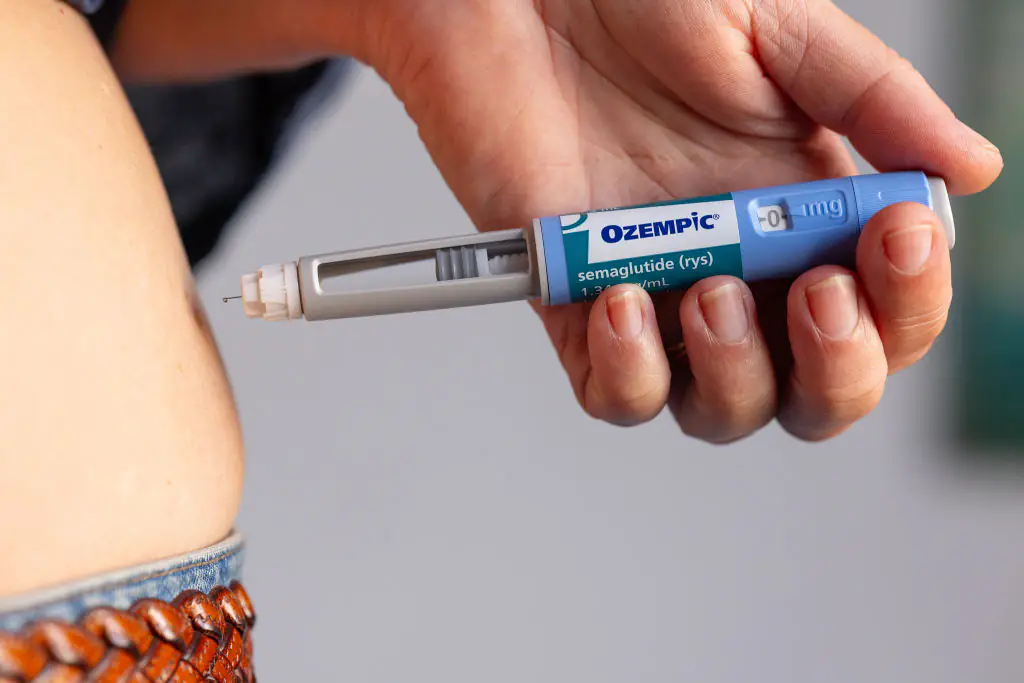
Semaglutide, a GLP-1 medication which is the active ingredient in Ozempic, was developed for the treatment of type 2 diabetes, and is also used for weight management.
However, just four months after he began using the medication, which is usually administered as a weekly subcutaneous injection, he noticed a concerning side effect.
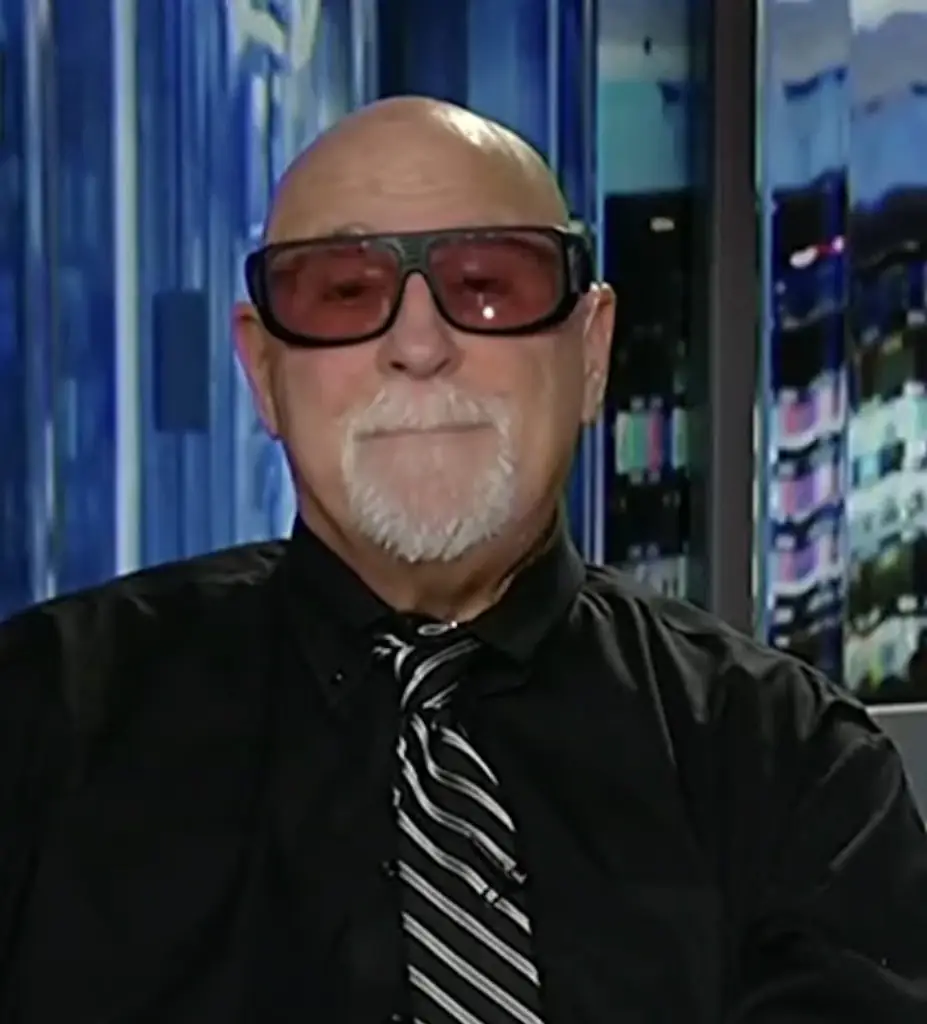
Engel told Fox News: "I first noticed it on New Year’s Eve, 2024. I had just gotten out of the shower, was getting ready to go to work. And I said to [my wife] Shelley, ‘I can’t see in my right eye. It’s totally black. It’s totally dark in my right eye.'
"I was horrified. I was very, very upset that I couldn’t see."
Engel underwent tests where it was discovered he'd suffered an 'eye stroke', medically known as nonarteritic anterior ischemic optic neuropathy (NAION).
This occurs when reduced blood flow damages the optic nerve, and can cause sudden and permanent vision loss.
He added: "The blood work came back in the normal range for me. My blood pressure was fine. They said, ‘You can go back to work.’"
Engel continued to take Ozempic as he and his family claim neither he nor his doctors knew of a possible association between the medication and NAION.
Tragically, just 10 months later, Engel found he was experiencing the same symptoms, but in the other eye.
He admitted: "At that point in time, losing sight in both eyes, there was a tremendous amount of concern."

Engel was told by doctors that there was no medication or surgical procedure that could reverse the damage and restore his vision.
His wife, Shelley Engel, says that various tests failed to identify any common factor beyond the Ozempic he was taking, which he immediately stopped after losing vision in his second eye.
Engel added: "I didn’t go blind — I had my vision taken from me, which was catastrophic to me and to my family."
He has now filed a lawsuit against Novo Nordisk, the manufacturer of Ozempic, claiming it failed to adequately warn patients and doctors about the potential risk of vision loss.
According to reports from the New York Post, hundreds of other patients are also currently pursuing legal action against the makers of GLP-1 drugs, including Ozempic and Wegovy, over claims that they caused NAION.
Though a causal relationship between the medications and NAION has not been definitively established, the lawsuits allege that the manufacturers failed to provide sufficient warnings about the potential risks.
Prior to losing his eyesight, Engel had been working for Howard County Highways as a heavy equipment operator and truck driver, having been in the field for around 40 years.
He revealed: "I was extremely mechanically inclined with my hands and in my mind. I can’t do that anymore, which is extremely upsetting to me.
"People want to be able to retire on their own accord when they want to, not when a medical catastrophic injury such as this … takes away your livelihood."
Aside from no longer being able to work in his field, the vision loss has also also affected Engel's quality of life in many other ways.
He is no longer able to read, which he used to enjoy, and has had to relearn how to navigate his home by counting steps.
"I know that coming in from our parking lot, there are 10 steps … nine going down into our basement, 13 going up into our bedroom," he revealed.
Engel also has to use a cane when he leaves the house, and needs his family to help him with everyday activities as he can no longer see.
He revealed that his grandchildren help him to walk around, adding: "They will take me by my hand and talk to me: ‘Pops, three steps straight. Then we’re gonna turn right.'
"For me personally, it’s embarrassing. I’m 64 years old. I shouldn’t need … my grandchildren or my wife to help me get from point A to point B."
His wife added: "It has completely changed every aspect of our lives. There is not one piece of our lives that hasn’t changed or been touched by this throughout our whole family."
Engel admitted that NAION has taken a lot from him, adding: "I will never be able to see my wife’s beautiful face again, be able to see children and grandchildren, be able to play ball with them, and that is very, very upsetting to me."
He also issued a warning to others who may be considering the medication, adding: "Had I known, had my doctor had any inkling that this could have happened … I’m sure he would have asked me and I would have said 'absolutely not, I will deal with the diabetes … I refuse to jeopardize my eyes.'"
He added: "Do the research for yourselves to make sure that my catastrophic injuries do not happen to you or anybody else.
"If we can help one person, then that’s a pleasure to Shelley and I."

Jonathan Orent, the family's attorney, said that they are seeking a warning on the US Ozempic label similar to the information provide to doctors and patients in Europe.
Orent told Fox News Digital: "It’s amazing what just a simple warning can do. That’s really what this case is about. It’s about information."
Novo Nordisk has disputed that the medication causes NAION, with Liz Skrbkova, head of US Media and Stakeholder Relations for Novo Nordisk, telling Fox News: "A causal relationship between GLP-1RAs, including semaglutide, and NAION cannot be confirmed based on the totality of data."
The company pointed to analysis of its randomized, placebo-controlled clinical trials that found very few confirmed cases of NAION and no increased incidence among patients taking semaglutide. It says it continues to monitor NAION as part of its routine drug-safety surveillance.
Skrbkova added: "Novo believes the personal injury lawsuits filed in the US are without merit, and we are defending them in court."