ADVERT
Celebrity13 min(s) read
Published 12:39 28 Jul 2026 GMT
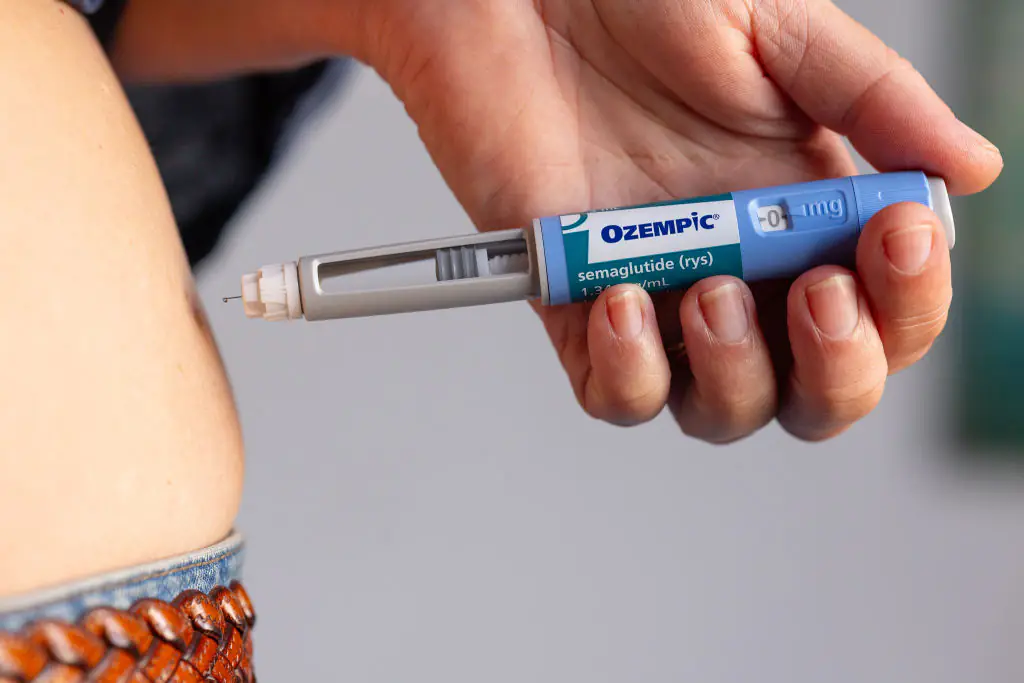
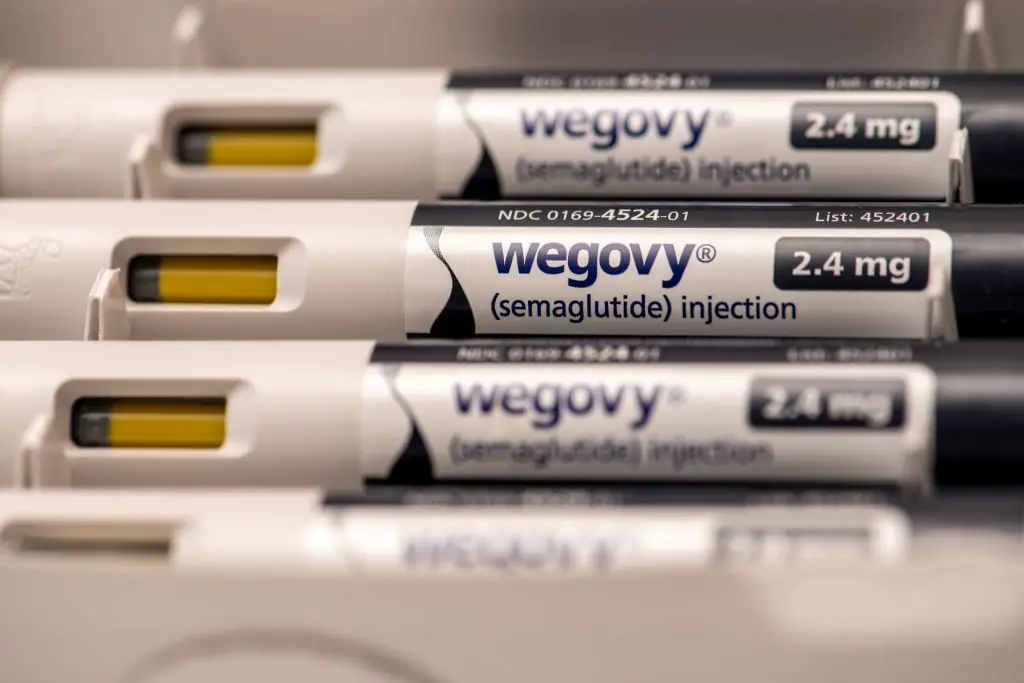
GLP-1 medications like Ozempic, Wegovy, and Mounjaro were originally developed to treat type 2 diabetes but have also become popular for weight loss.
The drugs help lower blood sugar levels and can also support weight loss, with studies showing they may reduce the risk of serious heart problems in people with type 2 diabetes.
As more celebrities open up about using the drugs, here's a look at the 16 stars who have shared their experiences and what they've had to say.
Tennis icon Serena Williams revealed that she's using a GLP-1 medication and has partnered with healthcare company Ro as a paid celebrity ambassador.
"I trained at the highest level, ate a clean diet, pushed myself, and still, after having kids, my body just wouldn’t respond. I realized it wasn’t about willpower; it was biological," she said in a press release. "My body needed the GLP-1 and clinical support...this isn’t a shortcut. It’s healthcare."
Williams says she has lost 31 pounds in eight months and told TODAY that her blood sugar has returned to normal while her joints feel "lighter, like they’re not taking as much of a load".
She also admitted she initially resisted the medication: "I'm playing professional tennis. I'm literally training five hours a day... eventually, when GLP-1s came out, it was like, 'No way, no how. That's not for me.'"
After trying vegan, vegetarian and high-protein diets, along with walking 20,000 steps a day, she eventually decided to give it a chance.
"And so eventually, I just, you know, I saw my friends using it, a lot of people on it, and I tried it. And it actually worked."
Williams hopes her decision to speak publicly will encourage others to do the same.
"Yes, I am on GLP-1s, and I am going public. I’m not ashamed to say it -and say it loud. GLP-1s changed my life," she added.

Actress and former Miss America Vanessa Williams revealed in an exclusive interview with Hello! Magazine that she has been taking Mounjaro for the past two years while managing menopause.
"My fifties were hard. I started perimenopause in my late forties but suddenly, at 51, it’s crazy how your body changes. You feel out of control because you’re working out the same way, eating the same, and your body is not reacting the way it used to," she said.
She called the medication a "game-changer," and added: "Science is amazing. I’m like: 'What’s next? Bring it on!'"
Grammy-winning musician Macy Gray admitted she struggled with constipation while taking Ozempic.
"Oh boy, my stomach hurts. I’ve just been really constipated," she said on The Surreal Life, cited by PEOPLE. "I took Ozempic. I can’t go to the bathroom, and I was up all night."
Constipation is one of the most commonly reported side effects of GLP-1s along with diarrhea, vomiting, and sickness.
The 'I Try' songstress revealed in an additional confessional during the episode that she wanted to lose weight before her TV appearance.
"Quietly, I’m kind of a vain person... I was actually trying to take [the weight] off before the show because I didn’t want to be super fat on TV," she said. "So, I thought, OK, I’m not taking [the weight] off the right way, let me see if I can get one of these Ozempic."
"I was actually trying to take [the weight] off before the show because I didn’t want to be super fat on TV, but here we are," she added.

Chrissy Teigen revealed she turned to Ozempic after suffering a miscarriage in 2020.
"My body was completely stuck," she said on her Self-Conscious podcast. "I really let myself indulge when I was pregnant… when I had lost that baby at 20 weeks, I had probably gained an extra 40 pounds that I wasn’t comfortable with."
She explained she was coping with "a deep depression of seeing this pregnant belly with no baby in it."
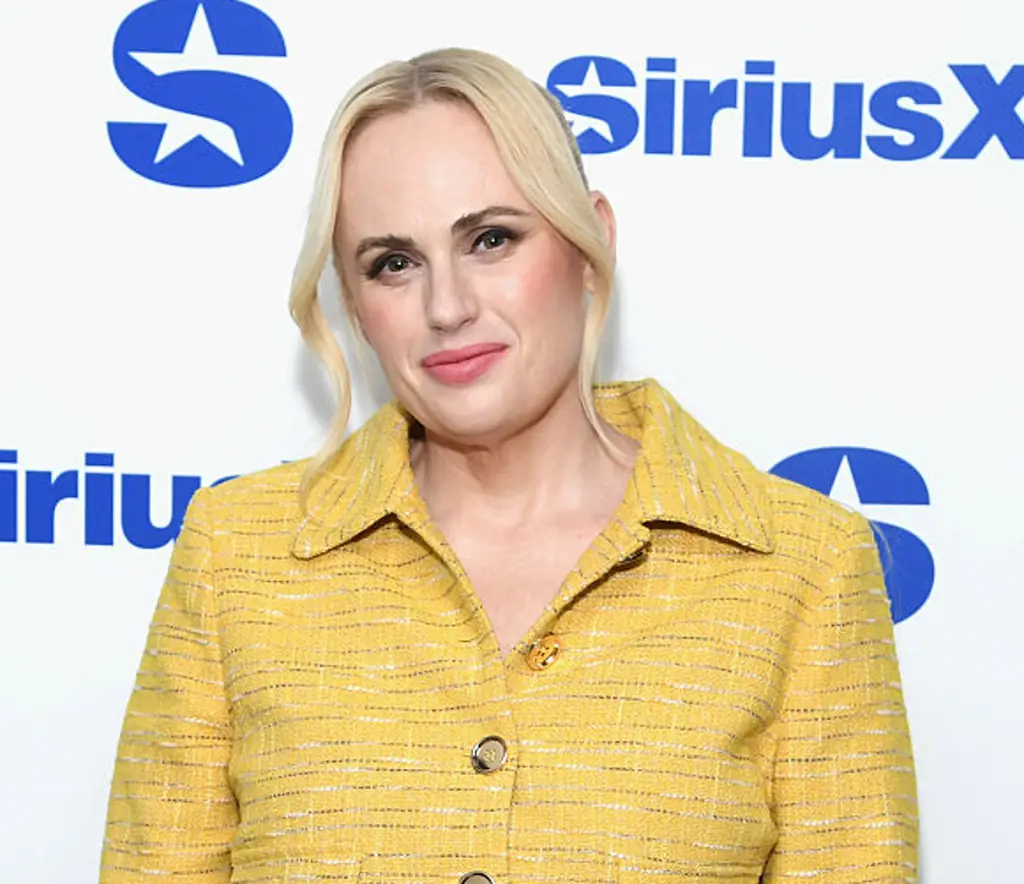
Rebel Wilson revealed she briefly used Ozempic after her fertility doctor suggested losing weight before IVF treatment.
"Someone like me could have a bottomless appetite for sweets, so I think those drugs can be good," she said in an interview with The Sunday Times.
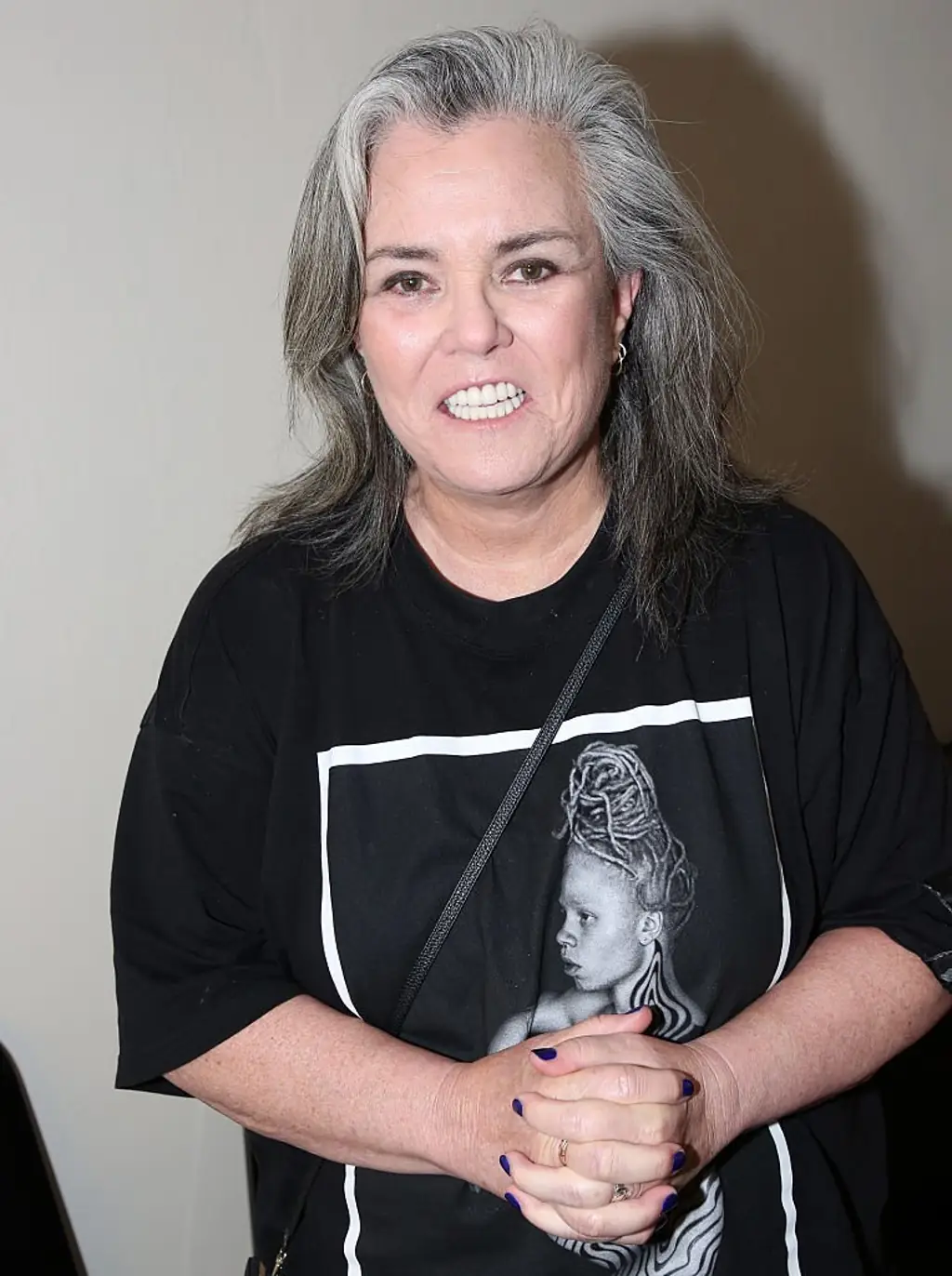
Rosie O'Donnell described Mounjaro as a "miracle drug" after losing around 60 pounds following a type 2 diabetes diagnosis.
"I've had trouble with my weight my whole life," she said. "So Mounjaro saved my life."
O'Donnell said she has steadily lost "a pound or two a month for three years," adding: "I really wish I could do commercials for Mounjaro and they would drop the price instead of paying me."
"Because when I see people struggling with obesity, I want to say I know the shame that we carry and the humiliation that is dealt to people who are overweight."
The former talk show host said she wanted to be open about taking the medication despite some people feeling uncomfortable discussing weight-loss drugs.
"I know some people are ashamed to talk about it, but I wanted to share how it helped me, and I don't like secrets as a whole," she said.

Oprah Winfrey, who has been candid about her weight-loss journey, revealed she uses a prescription weight-loss medication.
She described it as life-changing in a December 2023 interview with PEOPLE.
"The fact that there’s a medically approved prescription for managing weight and staying healthier, in my lifetime, feels like relief, like redemption, like a gift, and not something to hide behind and once again be ridiculed for. I’m absolutely done with the shaming from other people and particularly myself,” Winfrey said.
After gaining 40 pounds during the pandemic, The View co-host Sunny Hostin said Mounjaro dramatically improved her health.
"I found that my cholesterol went up to 200 when I gained the extra weight. And I use Mounjaro, and my cholesterol is 140 now," she said. "I feel better, I think I look better, and that’s what this is about for people."
She further opened up about her journey on The View‘s Behind the Table podcast.
"I think these medications are changing lives and saving lives," Hostin said. "We were home for 18 months. I became a mixologist, I drank a lot of margaritas, a lot of sidecars. I love to cook anyway, I baked a lot of bread…I had gone up four sizes."
"What you see now is what I looked like before the pandemic, before menopause. My husband says, ‘Oh wow, you look like what you looked like when I met you,'" she added.
Tori Spelling said Ozempic didn't work for her, but switching to Mounjaro helped her lose weight after the birth of her fifth child.
"I did Mounjaro, and everyone admits it now," she said. "It’s a different time so I don’t feel shamed saying that."

Sharon Osbourne said Ozempic helped her lose 42 pounds but left her thinner than she wanted.
"I lost 42 pounds now, and it’s just enough," the 73-year-old said on Piers Morgan’s podcast, Piers Morgan Uncensored, in 2023. "I didn’t actually want to go this thin, but it just happened, and I’ll probably put it all on again soon."
She also described experiencing weeks of nausea while taking the medication.
"You don’t throw up physically, but you’ve got that feeling," she explained. "For about two, three weeks, I felt nauseous the whole time. You get very thirsty, and you don’t want to eat. That’s it."
Whoopi Goldberg revealed in an interview on The Kelly Clarkson Show that she uses Mounjaro and credits it with helping her lose the weight of "almost two people".
"I’m doing that wonderful shot that works for folks who need some help, and it’s been really good for me," she said.

Amy Schumer said she stopped using Ozempic after it left her too unwell to spend time with her son.
"I was one of the people that felt sick - I couldn’t, like, play with my son," she said.
She also criticized celebrities who deny taking the drugs.
"Everybody’s lying. Everyone’s like, ‘Oh, smaller portions,’ like shut the f*** up. You’re on Ozempic or one of those things," she said. "Just be real with the people."

Comedian and TV host Chelsea Handler revealed her doctor prescribed Ozempic without much discussion. "I didn’t even know I was on it," she said.
After returning from a holiday in Spain, she gave herself an injection before meeting a friend for lunch, where the conversation made everything click.
"I went to lunch with a girlfriend a few days later, and she was like, ‘I’m not really eating anything. I’m so nauseous, I’m on Ozempic,'" she recalled. "And I was like, ‘I’m kind of nauseous too.’ But I had just come back from Spain and was jet-lagged."
Once she realized what she had been taking, Handler decided it wasn't for her.
"I’m an irresponsible drug user," she joked, "but I’m not gonna take a diabetic drug. I tried it, and I’m not going to do that. That’s not for me. That’s not right for me."
Tennis legend Billie Jean King has spoken candidly about living with binge eating disorder.
"I’m a binge eater. Every morning I wake up, I tell myself, 'I have an eating disorder,'" she said.
"It’s two sides. Let’s say I want a quart of ice cream. One side will say, 'Yeah, baby, I’m going to have that ice cream no matter what!’ The other side says, ‘No, don’t do that. It’s not healthy. You know you don’t need it.'"
She explained she was interested after hearing Ozempic could help reduce obsessive thoughts about food.
"If [a weight-loss medication] does quiet the voices - if that’s a part of it - now, I’m interested in it because that would be really great," she said. "It gets exhausting and tiring. And I don’t want to fight over these things."
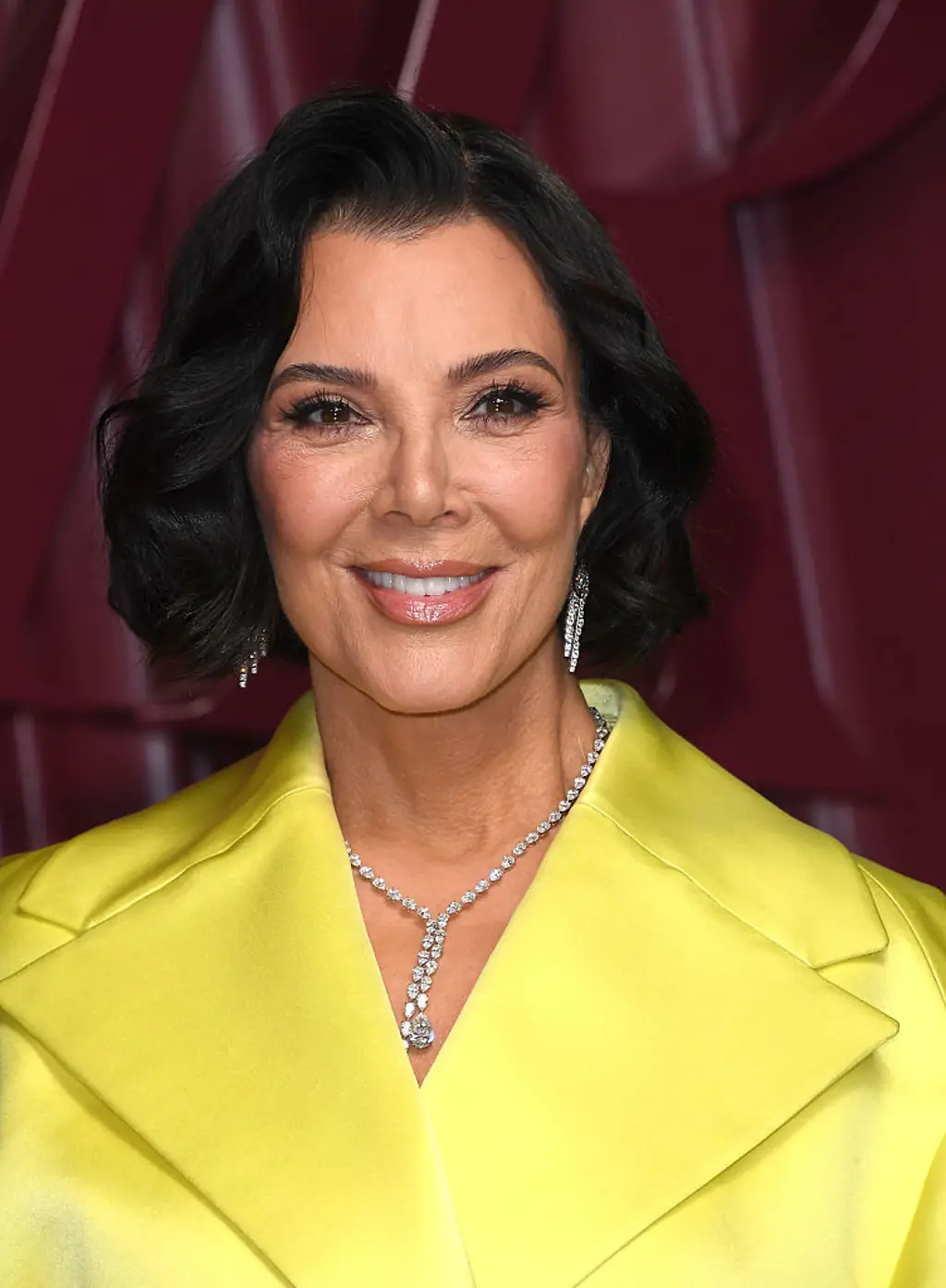
Reality TV star Kris Jenner revealed she tried a GLP-1 medication before it became mainstream but quickly stopped.
"I did not do like an Ozempic," she said during a May 5 appearance on the SHE MD Podcast with Dr. Thais Aliabadi and women’s advocate Mary Alice Haney. "I tried it... and it made me really sick."
Jenner said the reaction was so severe that she immediately contacted Aliabadi for help.
"I can't work anymore. I can't. I'm so sick. I can't, like nauseous. And so she goes, 'Okay, okay. Let's try something else,'" she said.
Jenner said she now relies on peptide injections and supplements under medical supervision.
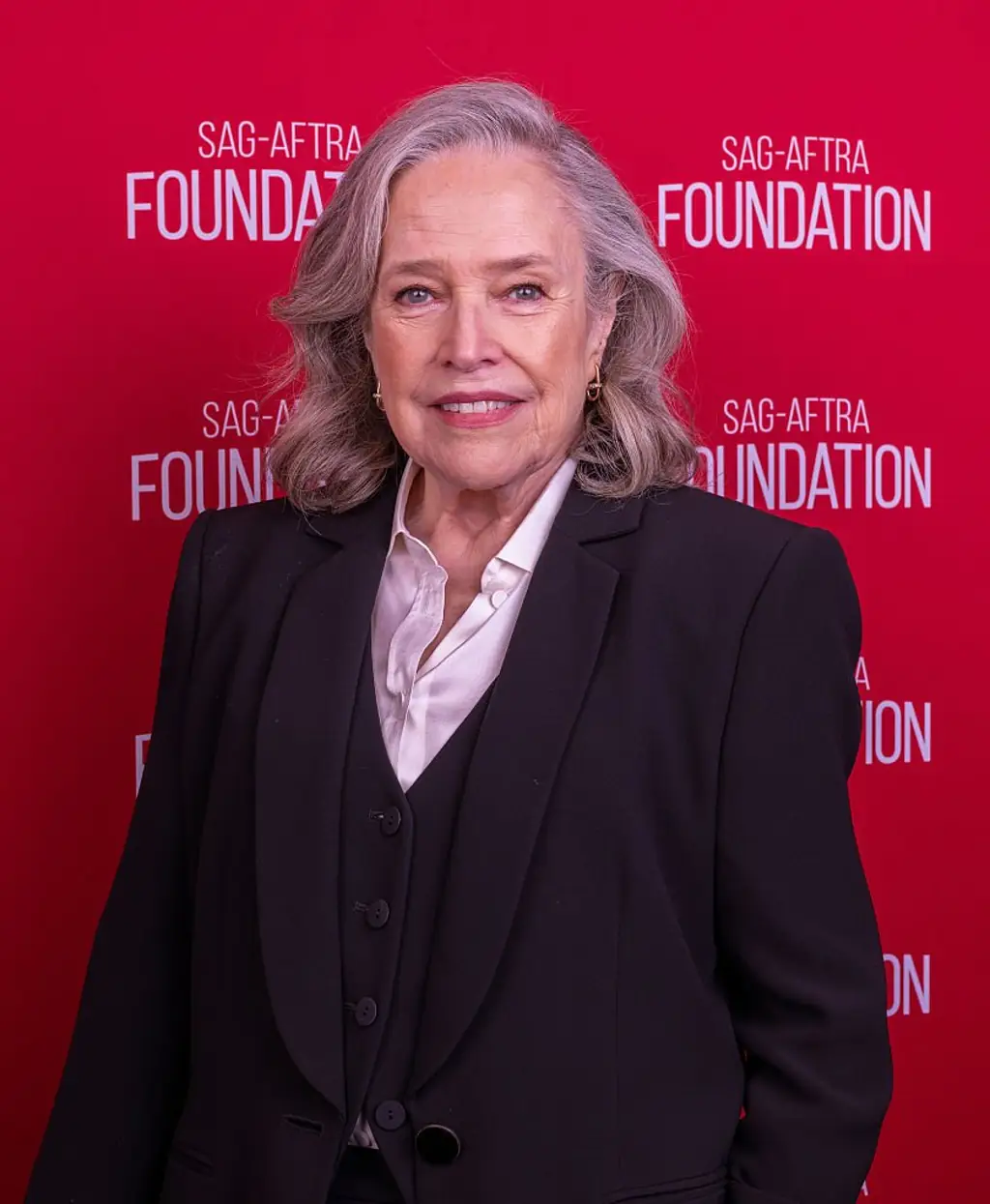
Oscar-winning actress Kathy Bates clarified that Ozempic only helped with the final stage of her 100-pound weight-loss journey.
"There’s been a lot of talk that I just was able to do this because of Ozempic," she said. "But I have to impress upon people out there that this was hard work for me, especially during the pandemic. It’s very hard to say you’ve had enough."
Bates shared that her journey toward better health began after a 2017 diagnosis of Type 2 diabetes.
"I ate because I was afraid, and I ate because it was a FU to my self-esteem," she explained. "[Diabetes] runs in my family, and I’d seen what my father had gone through. He had had a leg amputation. One of my sisters is dealing with it very seriously, and it terrified me. It scared me straight."
The Titanic star has made major changes to her diet, swapping "burgers and Cokes and pizza" for a healthier diet and avoiding food after 8 p.m.
innovation3 min(s) read
health3 min(s) read
entertainment3 min(s) read
Published 12:51 02 Apr 2024 GMT
health3 min(s) read
Published 14:46 22 Aug 2025 GMT
Serena Williams has opened up about the effect GLP-1 medication has had on her life after losing over 31lbs.
The tennis champion, 43, revealed that she had chosen to take the weight-loss injections after finding it harder to lose weight post-partum.
She explained that she noticed her body changed after having her first daughter, Alexis Olympia, in 2017, telling People: "I never was able to get to the weight I needed to be no matter what I did, no matter how much I trained.
"It was crazy because I'd never been in a place like that in my life where I worked so hard, ate so healthy and could never get down to where I needed to be at.
"I had never taken shortcuts in my career and always worked really hard. I know what it takes to be the best. So it was very frustrating to do all the same things and never be able to change that number on the scale or the way my body looked."
The 23-time Grand Slam champion found that the same thing happened after welcoming her second daughter, Adira River, in August 2023.
Serena revealed that while she was able to lose a lot of weight in two weeks, she "never lost another pound" after that, despite remaining consistent.
She admitted: "I just thought, gosh, I don't know if I would ever be able to get back to where I needed to get to."
It was then that she decided to turn to GLP-1 medication, which has exploded in popularity in recent years.
First created as a medication to help those with diabetes control their blood sugar, it was later discovered that GLP-1 drugs, such as Ozempic, Mounjaro, and Wegovy, can help with weight loss by curbing the appetite.
GLP-1 drugs are only meant to be used under the supervision of a doctor and where medically necessary to help with weight loss, and can come with a host of side-effects including gastrointestinal issues such as nausea, vomiting, diarrhea, and constipation. Rarer, but more serious side-effects include acute pancreatitis, gallbladder issues, and allergic reactions.
Serena admitted that she was nervous to use the injections herself, especially given the controversy surrounding the medication.
She explained: "I did a lot of research on it. I was like, 'is this a shortcut? What are the benefits? What are not the benefits?' I really wanted to dive into it before I just did it."
The athlete consulted with a doctor and began the jabs in early 2024, around six months after Adira was born, and once she had stopped breastfeeding.
She revealed that she feels "great" following her 31lb weight-loss, adding: "I feel really good and healthy. I feel light physically and light mentally."
The Olympic gold medalist added that she is now able to be more active and "do more" as her joints no longer hurt as much and she feels like she has more energy.
She also admitted that she wanted to be open about the method behind her recent weight loss, and revealed that it is not necessarily a "shortcut".
Serena added: "GLP-1 helped me enhance everything that I was already doing — eating healthy and working out, whether it was as a professional athlete at the top level of tennis or just going to the gym every day."
Despite her weight loss, Serena believes that every woman should "love yourself at any size and any look" and that "weight loss should never really change your self image" as women experience "judgment" no matter their size.
She explained: "I've never felt that pressure to maintain a certain appearance. I always felt comfortable at any size, whether I was a lot heavier or not.
"I do feel like my body didn't like me at that weight. I had pain in my joints and pain in different areas just because of the extra weight that I'm not used to carrying since I had children.
"But the size I was before, there was nothing wrong with it. It's just not what I wanted to have. I just knew that I wanted to be where I personally felt comfortable."
She added that she is trying to instil body confidence at any size in her two daughters, who she shares with husband Alexis Ohanian.
Published 16:09 23 Jun 2026 GMT
A recent study has shown that many people taking GLP-1 medications to lose weight are not taking them correctly, and it could be detrimental to achieving results.
According to the new research by the Endocrine Society, people with obesity who lost weight using drugs such as Ozempic or Wegovy “significantly reduced” their physical activity.
Failing to exercise while using the GLP-1s could be harmful, as drugs such as semaglutide, liraglutide, dulaglutide, and tirzepatide reduce both fat and lean muscle mass.
Study lead Sajana Maharjan, MD, of HSHS St. John’s Hospital in Springfield, Illinois, said keeping active and building muscle is “essential for preserving strength and long-term health.”
By comparing activity in study participants before and after beginning treatment, researchers found that the average number of steps decreased from 5,047 to 4,487 per day, while moderate physical activity fell from 28 to 22 minutes per day.
Although the cohort was mostly female, with an average age of 52.7 years, the largest declines were observed in men and in those with joint or muscle pain
The data was recorded from 753 people with obesity who began taking a GLP-1 medication during the trial.
Despite the common belief that losing weight, medically aided or not, would encourage people to increase their physical activity, the study seems to have proved the opposite.
Maharjan addressed the importance of people taking GLP-1s to continue or increase the amount they exercise, saying: “The findings in our study reinforce that exercise cannot be optional for people taking these medications.
“People need targeted interventions that encourage physical activity alongside medication for obesity.”
Supporting the findings of the study, a New York-based hormone and weight-loss specialist, Dr. Peter Balazs, MD, told Fox News that the findings did not come as much of a surprise to him because weight loss rarely results in a greater motivation to exercise.
He said: “In fact, being in a calorie deficit can cause the body to conserve energy, resulting in a lower metabolic rate.
“Additionally, side effects of weight-loss medications, such as nausea, fatigue or gastrointestinal discomfort, may further reduce a person’s ability or desire to be physically active.”
Balazs also warned that “exercise plays a critical role during weight loss.
“Without adequate physical activity, a significant portion of weight loss may come from muscle rather than fat.”
Published 10:00 13 Jul 2026 GMT
Everyone and their mom is using GLP-1 medications, often referred to as weight-loss jabs, to help them lose weight by regulating blood sugar levels and curbing their cravings, but there might be a new kid on the block that can melt the pounds even quicker.
Typically, these drugs work using a single hormone that signals fullness to the brain after a meal. However, a new experimental medication is being trialed, and it promises even quicker results than its already market-safe competitors.
Retatrutide is a revolutionary treatment currently restricted to clinical trials. Unlike medications currently on the market, the potent drug is a "triple-hormone receptor agonist," meaning it targets three separate appetite and metabolic hormones rather than just one.
Clinical trials have already demonstrated its game-changing potential, with participants losing an unprecedented average of 26.6% of their body weight over 84 weeks, making it the most potent weight-loss jab discovered yet.
Despite the drug not yet being officially authorised for public use, some individuals have managed to source the new peptide, try it out and share their results.
YouTuber Dizzll TV shared his personal four-week journey using a low, one-milligram dosage of Retatrutide to test its impact on his health.
Pairing the weekly injection with a strict fitness routine and a highly restricted diet of approximately 900 calories a day, the content creator saw rapid results.
Over the course of the month-long experiment, his weight dropped by 11 pounds, bringing him down to 274.6 lbs.
In one of his videos, he told his followers: “I dropped 11 lbs in four weeks, guys. So, almost three pounds per week over the last month,
"Feel free to clap for me. I appreciate that.”
The YouTuber also reported that his body fat percentage plummeted from an estimated 31.2% down to between 28% and 29%, revealing muscle definition that had previously been hidden by folds of fat.
Describing the rapid transformation as "shocking" and "amazing," he also noted that his experience was remarkably smooth as he experienced virtually no negative side effects or struggles.
While these underground results sound promising, health authorities are urging the public to exercise extreme caution. The Medicines and Healthcare products Regulatory Agency (MHRA) has issued strict warnings against attempting to buy Retatrutide outside of regulated clinical trials illegally.
Officials have warned that purchasing unapproved peptides online poses severe health risks due to the lack of quality control.
The documented side effects of the drug, including severe nausea, vomiting, and potential long-term complications, alone should be enough to keep people away.
Understandably, experts warn that the safest route to weight loss remains approved medical channels combined with a balanced diet and exercise.
Rebel Wilson has recently opened up about the lengths she went to in order to achieve and then maintain her body goals.
It's no secret that the star shredded a few pounds over the last few years and while she initially credited the results to a good workout regime and better food choices, she has recently also said it was down to Ozempic.
Now, for those of you who aren't familiar with the drug, Ozempic is a type 2 diabetes medication that is prescribed to manage blood glucose levels though it is now being used as an appetite suppressant by those who want to lose weight.
According to Diabetes.org, people who use Ozempic can lose weight while using the medication due to its ability to "reduce your appetite so you eat less", while simultaneously "slowing down the movement of food in your gut meaning you stay full for longer."
So it's no wonder it's a trending topic at the moment, especially in Hollywood with stars like Kelly Osbourne, Tracy Morgan, and Emily Simpson amongst a handful of others who have related their dramatic weight transformations to the drug.
Wilson has now joined the list too, admitting that she used the type 2 diabetes drug as a method of maintenance after shedding 80 pounds.
In a new interview with The Sunday Times, she said: "Someone like me could have a bottomless appetite for sweets, so I think those drugs can be good."
Despite the need to change up her lifestyle after being told by a doctor that it would be necessary in order to have better success with IVF, Wilson revealed she felt a lot of pressure for her to remain the "fat funny character."
"Basically no one apart from my mom wanted me to lose weight," she explained. "People thought I'd lose my pigeonhole in my career, playing the fat funny character, and they wanted me to continue in that."
But it wasn't just the Ozempic that helped her to keep the weight off.
The 44-year-old also started having "crazy workout sessions" which involved exercising for over two hours. She also started taking regular walks and switching to a high protein-low sugar diet.
"It so felt good that I kept going," Wilson added.
However, despite all of her progress, she did have a few ups and downs.
Most recently, she confessed in her new memoir Rebel Rising that due to stress and overworking herself, she put on 30 pounds.
Reflecting on that time with her busy schedule, she wrote: "It makes me feel bad about myself... it shouldn’t... but it does.
"I’m really proud of the work I’ve been doing on new movies and my memoir, it’s just been a LOT and I’ve lost focus on my healthy lifestyle," she added.
Rebel Rising is now available to purchase from major book retailers.
Published 15:15 24 Apr 2026 GMT
Scientists say a "natural Ozempic" could offer the same weight-loss benefits as existing drugs, but without the unwanted side effects.
In recent years, millions, including many well-known figures such as Oprah Winfrey and Amy Schumer, have turned to GLP-1 medications to slim down, even as concerns about side effects persist.
A report by RAND discovered that nearly 12 percent of Americans have used these drugs, with about half experiencing nausea and one-third reporting diarrhea.
Now, researchers at Stanford Medicine say they may have found a solution to this problem.
Scientists have identified a tiny molecule called BRP that can suppress your appetite in a similar way to Ozempic, but without affecting the rest of the body as much.
Unlike semaglutide, the main ingredient in Ozempic, which affects several organs, BRP seems to work mainly in the brain’s appetite center.
"The receptors targeted by semaglutide are found in the brain but also in the gut, pancreas, and other tissues," assistant professor of pathology Katrin Svensson, PhD, said, per Science Daily.
"That's why Ozempic has widespread effects, including slowing the movement of food through the digestive tract and lowering blood sugar levels. In contrast, BRP appears to act specifically in the hypothalamus, which controls appetite and metabolism," Svensson added.
By targeting a more focused area, health experts believe BRP could help people eat less and lose weight without feeling nauseous, or having constipation and muscle loss.
Artificial intelligence played a major role in the discovery, helping researchers sort through thousands of possible molecules.
They created a tool to study prohormones, which can be broken down into smaller peptides that affect things like metabolism.
"The algorithm was absolutely key to our findings," Svensson said.
So far, BRP has only been tested in animals, but the results have left researchers impressed.
In both mice and minipigs, a single injection reduced food intake by up to 50 percent within an hour.
In obese mice, daily injections over two weeks led to weight loss driven mainly by fat reduction, while untreated mice gained weight during the same period.
The treated animals also showed improved glucose and insulin responses.
Importantly, researchers observed no major changes in movement, digestion, or behavior, suggesting the treatment may avoid many of the downsides linked to current weight-loss drugs.
Scientists are now working to better understand how BRP interacts with specific receptors in the body and how its effects can be extended for practical use.
"The lack of effective drugs to treat obesity in humans has been a problem for decades," Svensson said. "Nothing we've tested before has compared to semaglutide's ability to decrease appetite and body weight. We are very eager to learn if it is safe and effective in humans."